



























What is a HubSpot AgentSync integration?
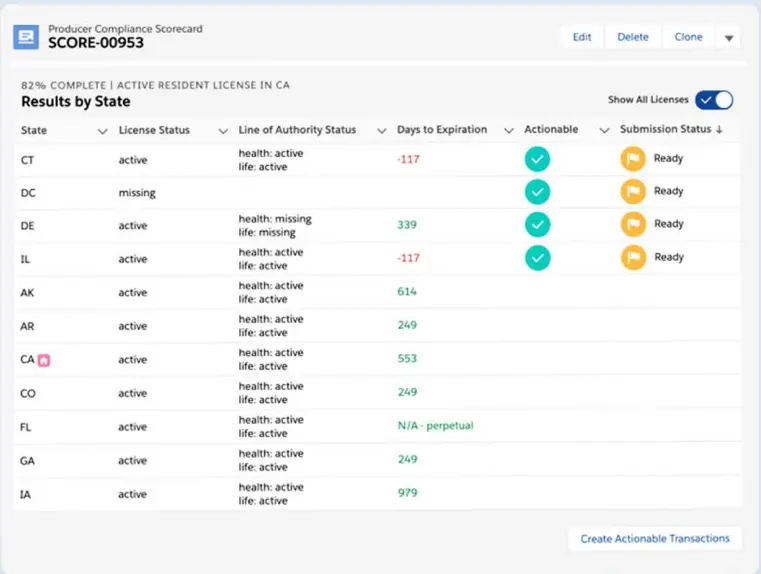
A HubSpot AgentSync integration connects your CRM to AgentSync’s insurance producer compliance platform, syncing license status, carrier appointments, and NIPR verification data so recruiting, sales, and compliance teams work from one accurate view of every producer’s ability to sell.
How does the HubSpot AgentSync integration work?
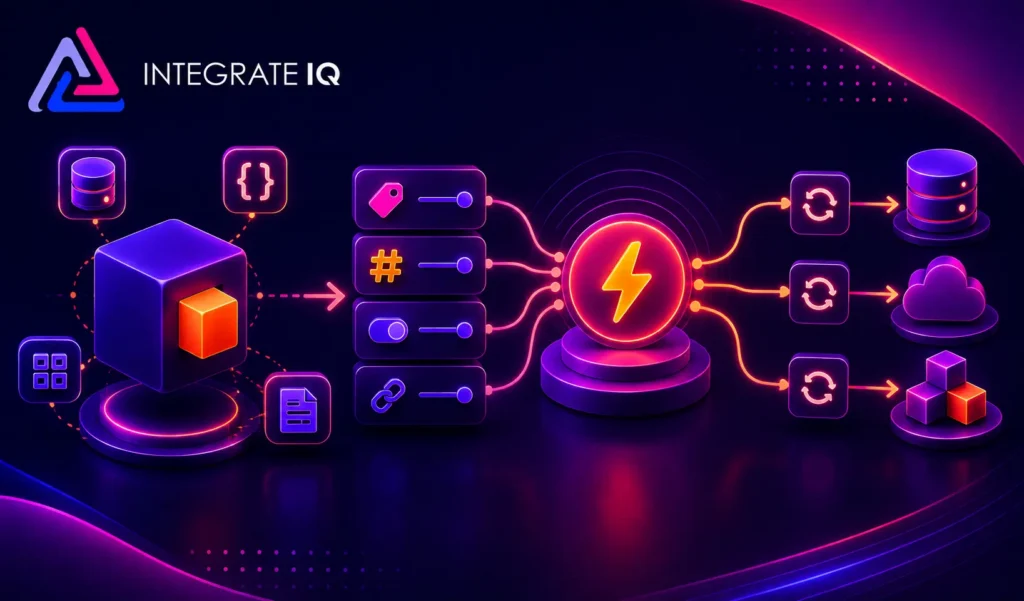
The integration maps HubSpot contacts, companies, and deals to AgentSync’s Producers, Agencies, and compliance scorecards using the ProducerSync API, keyed on each producer’s National Producer Number. A Closed-Won recruitment deal in HubSpot can trigger AgentSync onboarding, while compliance status changes sync back to a custom HubSpot property.
Turn HubSpot Into A Real-Time SMS Engine with Message IQ
 Two-Way Conversations
 Shared Team Inbox
 Automation Triggers
 Advanced Reporting
 Compliance Tools
- 98% SMS read within 3 min
- 78% Buy from first responder
- 21× More likely to qualify

*MessageIQ is an IntegrateIQ product – built natively for HubSpot by the same team.
Does HubSpot have a native AgentSync integration?
No dedicated native app exists in HubSpot’s marketplace for AgentSync. AgentSync’s own ProducerSync API is a modern REST API built for custom integration, and most businesses connecting the two platforms build against it directly rather than through a generic connector, since compliance business logic like license-line segmentation doesn’t fit a one-size-fits-all sync.
Is AgentSync’s compliance data actually real-time?
Not entirely. AgentSync’s own developer documentation confirms that NIPR-sourced license and appointment data refreshes on a daily batch cycle, not instantly; a newly issued license may not appear in the data until the next day’s update. AgentSync’s own compliance scorecard and webhook events can still push to HubSpot quickly once new data arrives, but the underlying NIPR source itself isn’t live-by-the-second.
How long does a HubSpot AgentSync integration take to build?
A custom HubSpot AgentSync integration typically takes 8 weeks: 2 weeks of discovery and compliance rule mapping, 3 weeks of build and staging against AgentSync’s v2 ProducerSync API, and the remaining weeks for testing and go-live support.
What is the difference between AgentSync’s ProducerSync API and Identity API?
ProducerSync reflects what the state knows about a producer, sourced from NIPR: licenses, appointments, regulatory actions. The Identity API holds what your organization knows directly from the producer: contact info, bank details, E&O coverage. A complete integration typically draws on both, not just one.
How a HubSpot AgentSync Integration Actually Works
A HubSpot AgentSync integration works by drawing on two distinct AgentSync APIs: ProducerSync, which reflects what the state knows about a producer via NIPR, and the Identity API, which holds what your organization knows directly. HubSpot owns recruiting and relationship truth; AgentSync owns compliance and licensing truth.
In the HubSpot-to-AgentSync direction, a recruitment deal marked Closed Won can trigger AgentSync onboarding, keyed on the producer’s National Producer Number as the stable identifier across both systems.
In the AgentSync-to-HubSpot direction, license status, carrier appointments, and compliance scorecard changes sync back into HubSpot as they’re processed, with a clear timestamp reflecting when the underlying NIPR data was actually last refreshed.
Three Ways to Connect AgentSync and HubSpot
Not every team needs custom, but AgentSync doesn’t offer the packaged options most other platforms do. Here is the honest comparison.
| Factor | No Packaged Connector | Generic iPaaS | Custom Integration (Integrate IQ) |
|---|---|---|---|
| Best for | Small agencies doing manual compliance checks | Simple one-way trigger automation for basic contact sync | MGAs and agencies managing compliance across multiple lines of business and states |
| NIPR / compliance data handling | Manual, error-prone | Not designed for regulatory data nuance | Built against ProducerSync v2, with daily-refresh timestamps and deleted-record filtering handled correctly |
| Sync direction | None, manual | One-way per trigger | True bi-directional, configurable per object |
| Custom objects/fields | None | Limited, mapped per trigger | Full mapping of NPN, compliance scorecards, licenses, and carrier appointments |
| Business logic | None | Basic conditional logic | Custom rules, e.g. E&O expiration alerts, multi-state appointment gap detection |
| Volume handling | Manual, doesn’t scale | Struggles at scale | Built for up to 500,000 NPN transactions without hitting API limits |
| Maintenance | None needed, but no value either | You manage it | Monitored, maintained, and supported, including tracking AgentSync API version changes |
If you’re a small agency doing occasional manual compliance checks, that may hold for now. Once you’re managing producers across multiple lines of business and states, and need NIPR data handled with the right nuance, daily refresh timing, deleted-record filtering, current API versions, a custom integration is what keeps compliance accurate instead of silently stale.
Producer Compliance Workflows You Can Automate Once AgentSync Data Lives in HubSpot
- Daily NIPR Refresh Awareness Banner. Since NIPR data itself only updates on a daily batch cycle, not instantly, HubSpot can display a “last verified” timestamp on the producer’s compliance property, so reps know exactly how current the “Active” status actually is instead of assuming it’s live-by-the-second.
- Deleted-Record Filtering Safeguard. AgentSync’s ProducerSync API returns NIPR-deleted records by default unless explicitly filtered; the integration applies that filter automatically so a producer whose record was removed from NIPR doesn’t continue showing as compliant in HubSpot.
- E&O Coverage Expiration Alerts. Beyond license status, AgentSync’s Identity API tracks Errors and Omissions insurance coverage; HubSpot can trigger a renewal reminder workflow as a producer’s E&O coverage approaches expiration, distinct from state license renewal timing.
- Multi-State Appointment Gap Detection. For producers licensed in multiple states but only carrier-appointed in some, HubSpot flags the gap, licensed but not appointed, so recruiting or compliance teams can close it before a producer tries to sell in a state where they can’t actually bind business.
- NPN-Based Deduplication Across Recruitment Sources. Since NPN is the primary key across every ProducerSync endpoint, using it, rather than name or email, as the master identifier prevents the same producer being recruited through multiple channels from creating duplicate compliance records.
What Breaks in an AgentSync HubSpot Sync, and How We Prevent It
- Duplicate records and identity resolution. Producers recruited through multiple channels, a referral, a direct application, an acquired agency’s book of business, can create duplicate HubSpot or AgentSync records if matched by name alone. We use the National Producer Number as the stable primary key, the same identifier AgentSync’s own API is built around.
- System-of-record conflicts. A recruiter may manually update a producer’s contact info in HubSpot while AgentSync’s Identity API holds a different version from the producer’s own submission. We define clear field ownership so simultaneous updates don’t silently diverge.
- Field mapping and status drift. AgentSync’s compliance statuses and carrier appointment states don’t map one-to-one onto a generic HubSpot property scheme. We map every status explicitly against your specific line-of-business rules, P&C versus L&H, not a generic active or inactive assumption.
- NIPR data is not actually real-time. AgentSync’s own developer documentation confirms that NIPR-sourced license and appointment data refreshes on a daily batch cycle, not instantly; a newly issued license may not appear until the next day’s update. Any integration or messaging that implies instant, live NIPR status is technically imprecise. We build in a “last verified” timestamp so sales and compliance teams know exactly how current the data is, rather than assuming real-time accuracy the underlying data source doesn’t actually provide.
- API versioning and deprecated endpoints. AgentSync deprecated its v1 ProducerSync collection endpoints in October 2025; any integration still pointed at v1 is running against a deprecated API. We build against the current v2 endpoints and monitor for future deprecations so the integration doesn’t silently break on AgentSync’s next API version change.
Implementation Timeline: What to Expect
Most HubSpot AgentSync integrations ship in 8 weeks. The first 2 weeks cover discovery and compliance rule mapping, including which lines of business and states are in scope. The next 3 weeks cover build and staging against AgentSync’s current v2 ProducerSync API. The remaining weeks cover historical data backfill, testing, and go-live support. Our HubSpot integration process is the same repeatable framework behind our 98.5% client retention rate.
See your 12-month revenue impact with HubSpot CRM
Enter your current numbers — visitors, leads, deal size — and get a personalized projection based on real HubSpot customer benchmarks.
Calculate My ROI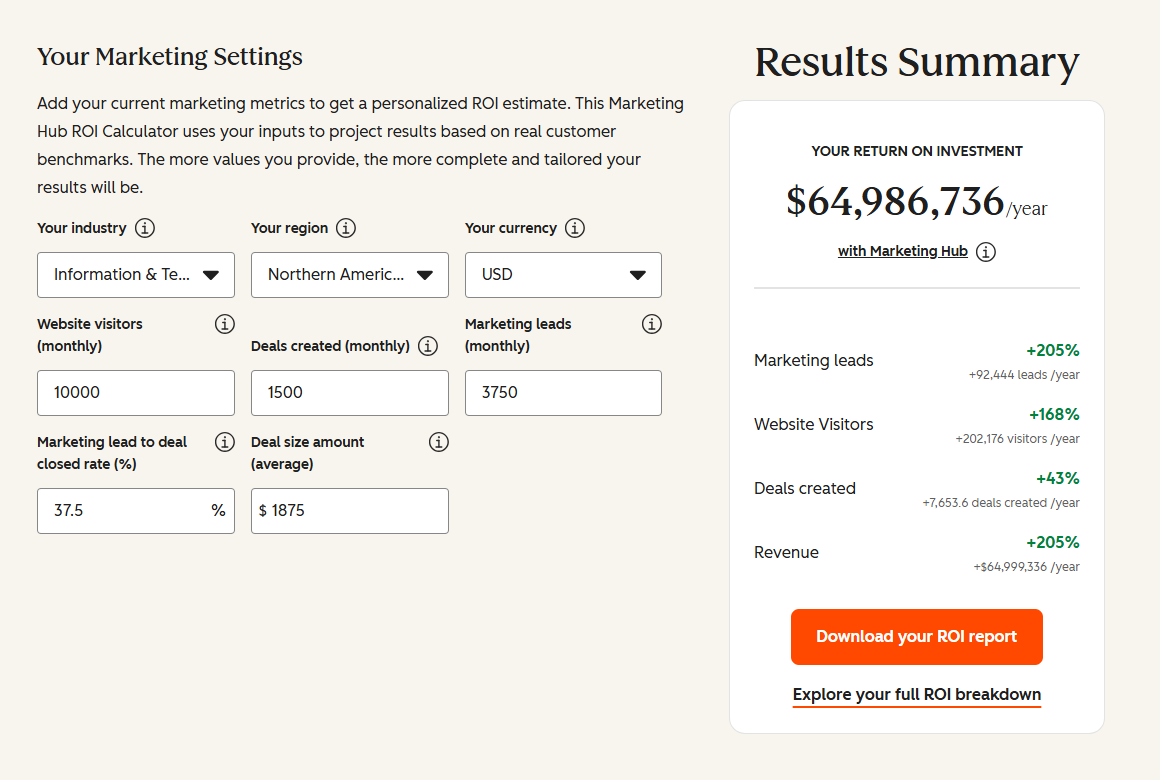
Connect the Rest of Your Distribution Stack
Custom compliance logic, like E&O expiration alerts or multi-state appointment gap detection, beyond the standard build often needs full-stack development support. See our banking and finance industry work for adjacent regulated-industry context. Getting recruiting, sales, and compliance teams aligned on the new workflow goes faster with HubSpot training. Migrating off a legacy CRM at the same time? Our CRM migration services cover that too. Not sure what any of this is worth to your team? Run the numbers on our Integration ROI Calculator.

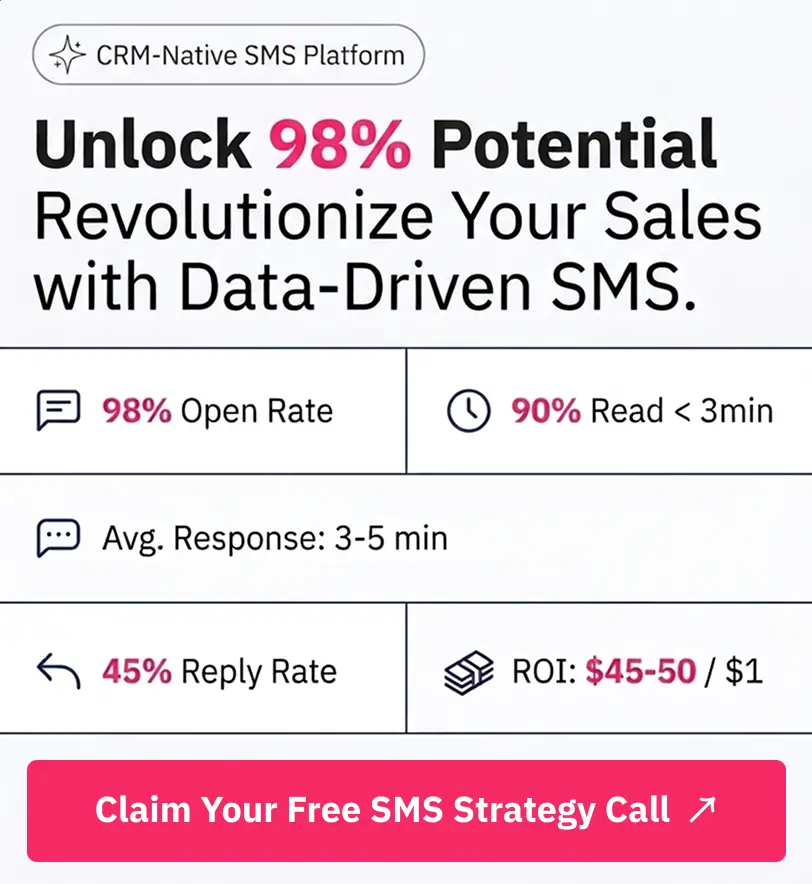
Table of Contents
- What is a HubSpot AgentSync integration?
- How does the HubSpot AgentSync integration work?
- Does HubSpot have a native AgentSync integration?
- Is AgentSync’s compliance data actually real-time?
- How long does a HubSpot AgentSync integration take to build?
- What is the difference between AgentSync’s ProducerSync API and Identity API?
- How a HubSpot AgentSync Integration Actually Works
- Three Ways to Connect AgentSync and HubSpot
- Producer Compliance Workflows You Can Automate Once AgentSync Data Lives in HubSpot
- What Breaks in an AgentSync HubSpot Sync, and How We Prevent It
- Implementation Timeline: What to Expect
- Connect the Rest of Your Distribution Stack