









































What is a HubSpot FieldRoutes integration?
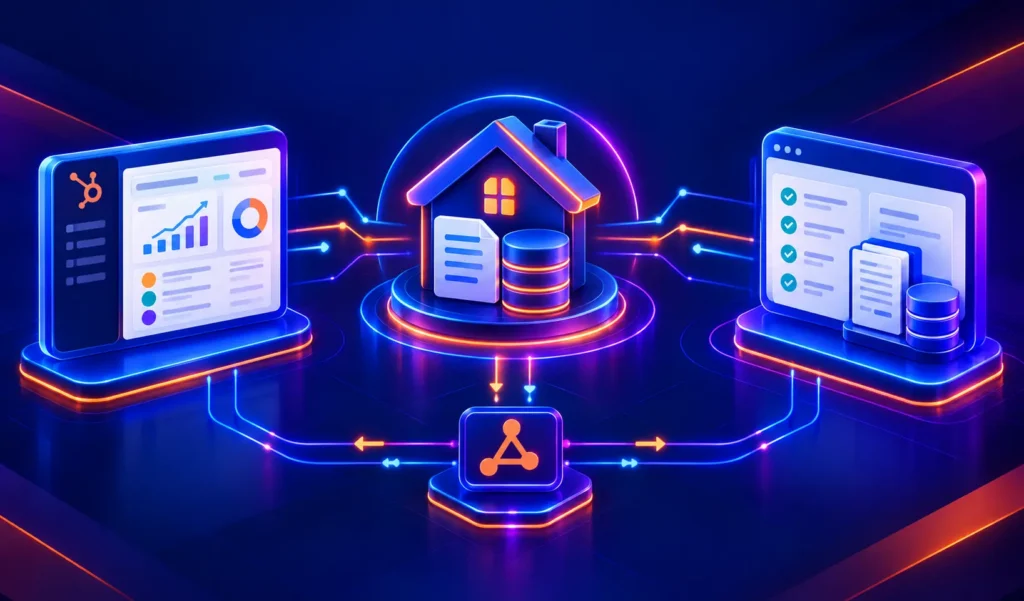
A HubSpot FieldRoutes integration connects your pest control or lawn care field service software to HubSpot, syncing subscriptions, service status, and customer data so sales and marketing teams can run renewal, upsell and attribution campaigns off real field data.
How does the HubSpot FieldRoutes integration work?
The integration maps HubSpot deals, contacts, and line items to FieldRoutes subscriptions, customers, and service types, then keeps both systems current. A won deal in HubSpot can trigger subscription setup in FieldRoutes, while completed service visits sync back to update HubSpot deal stages and trigger follow-up campaigns.

Turn HubSpot Into A Real-Time SMS Engine with Message IQ
 Two-Way Conversations
 Shared Team Inbox
 Automation Triggers
 Advanced Reporting
 Compliance Tools
- 98% SMS read within 3 min
- 78% Buy from first responder
- 21× More likely to qualify

*MessageIQ is an IntegrateIQ product – built natively for HubSpot by the same team.
Does FieldRoutes have a native HubSpot integration?
There’s no confirmed native HubSpot-FieldRoutes connector in either platform’s marketplace. Some pest and lawn care businesses chain a vertical-specific marketing tool, like Deep Lawn, between the two systems instead, which adds a third platform and a third point of failure rather than connecting them directly.
How long does a HubSpot FieldRoutes integration take to build?
A custom HubSpot FieldRoutes integration typically takes 8 weeks: 2 weeks of discovery and field mapping, 3 weeks of build and staging, 1 week for historical customer and subscription data backfill and 2 weeks for testing and go-live support.
Can HubSpot and FieldRoutes sync bi-directionally?
Yes. A custom integration can sync new subscriptions, service status, and technician notes from FieldRoutes into HubSpot and push closed deals, custom field data like square footage or access codes, and updated contact preferences from HubSpot back into FieldRoutes. Direction and timing are configurable per object.
Can this integration support multiple office locations and commercial parent-child accounts?
Yes, when built custom. We can map HubSpot territory or branch properties to specific FieldRoutes office IDs, and map HubSpot company hierarchies to FieldRoutes commercial parent-child account structures, so billing and service routing both land in the right place.
How a HubSpot FieldRoutes Integration Actually Works
A HubSpot FieldRoutes integration works by connecting directly to FieldRoutes’ API, since there’s no packaged connector between the two platforms. FieldRoutes stays the source of truth for subscriptions, service history and billing while HubSpot owns the sales and marketing side.
In the HubSpot-to-FieldRoutes direction, a won deal triggers subscription setup and custom field data like square footage, target pests or access codes passes directly to the FieldRoutes customer profile, so nothing gets re-typed from sales notes.
In the FieldRoutes-to-HubSpot direction, completed service visits, technician notes, and subscription status changes sync back into HubSpot, feeding renewal automation, upsell alerts and closed-loop revenue reporting.
Three Ways to Connect FieldRoutes and HubSpot
Not every team needs custom, but FieldRoutes doesn’t offer the packaged options most other platforms do. Here is the honest comparison.
| Factor | No Direct Native Connector | Vertical Middleware (e.g. Deep Lawn-style chaining) | Custom Integration (Integrate IQ) |
|---|---|---|---|
| Best for | Manual exports for a small book of business | Businesses already using a vertical marketing tool for other reasons | Businesses wanting FieldRoutes and HubSpot connected directly |
| Number of systems involved | Two, but with manual work between them | Three: HubSpot, the middleware tool, and FieldRoutes | Two, connected directly |
| Sync direction | None, manual | Depends on the middleware platform’s own limits | True bi-directional, configurable per field |
| Custom objects/fields | None | Limited to what the middleware supports | Full mapping of subscriptions, precision fields, and commercial hierarchies |
| Business logic | None | Basic, platform-defined | Custom rules, e.g. route density throttling, parent-child escalation |
| Volume handling | Manual, doesn’t scale | Adds a third system’s rate limits to manage | Built for seasonal peak volume without a third-party bottleneck |
| Maintenance | None needed, but no value either | You depend on a third vendor’s roadmap | Monitored, maintained, and supported directly |
If you’re already paying for a vertical marketing tool for other reasons, chaining it to FieldRoutes might be enough. If you just need HubSpot and FieldRoutes talking directly, without a third system in the middle, a custom integration removes that extra hop and its extra point of failure.
Pest and Lawn Care Workflows You Can Automate Once FieldRoutes Data Lives in HubSpot
- Route Density Sales Throttling. When FieldRoutes shows a specific route or zip code nearing technician capacity for the season, HubSpot throttles or redirects paid ad spend and promotional offers away from that area, preventing sales from booking work the field can’t service.
- Access Code and Property Detail Change Alerts. When a customer updates gate codes, pet information, or property access details through a HubSpot-hosted form or portal, that update pushes back into FieldRoutes automatically, so the technician arriving at the door has current information instead of outdated notes.
- Commercial Parent-Child Escalation. When a service issue or complaint occurs at a child location under a commercial parent-child account structure, HubSpot notifies the account manager responsible for the parent account, not just the individual site contact, so relationship risk at the HQ level doesn’t go unnoticed.
- Add-On Service Attach-Rate Campaigns. Using service history data showing which add-on services, mosquito, termite, and similar, a customer hasn’t purchased yet compared to similar customers, HubSpot runs targeted attach-rate campaigns instead of generic upsell blasts.
- Seasonal Reactivation for Lapsed Subscriptions. When a subscription cancels or lapses outside the standard 90-day renewal window, a customer pausing service mid-season for example, HubSpot runs a distinct reactivation campaign timed to the next natural service season, rather than treating every lapsed account the same way.
What Breaks in a FieldRoutes HubSpot Sync, and How We Prevent It
- Duplicate records and identity resolution. Customers who call in versus book online versus get added via a technician’s mobile app can create duplicate FieldRoutes or HubSpot records if matching relies on name or address alone. We de-duplicate on a stable customer identifier, not fuzzy matching.
- System-of-record conflicts. Office staff may update a customer’s service address in FieldRoutes while sales updates the same contact’s property info in HubSpot. We define FieldRoutes as the source of truth for service and billing fields, HubSpot for engagement fields, with locked writes.
- Field mapping and status drift. FieldRoutes’ Subscription/Agreement and Customer Status fields don’t map cleanly onto HubSpot deal stages by default, especially across Active, Lead, and paused states. We build a translation layer so pipeline reporting never silently diverges from actual service status.
- No direct native connector, workarounds chain through vertical middleware. There’s no confirmed native HubSpot-FieldRoutes marketplace app; some pest and lawn care businesses instead chain a vertical-specific tool like Deep Lawn between the two systems. That adds a third system, and a third point of failure, to maintain. A direct custom integration removes that middle hop.
- API rate limits at seasonal volume. Pest and lawn care businesses see enormous seasonal swings that can multiply lead and service volume overnight. Across 300+ platform integrations moving 20 billion plus fields annually, we build for peak seasonal load, not average daily volume.
Implementation Timeline: What to Expect
Most HubSpot FieldRoutes integrations ship in 8 weeks. The first 2 weeks cover discovery and field mapping, including which office locations and commercial hierarchies are in scope. The next 3 weeks cover build and staging. Week 6 handles historical customer and subscription data backfill. The final 2 weeks cover user acceptance testing, cutover, and hypercare support. Our HubSpot integration process is the same repeatable framework behind our 98.5% client retention rate.
See your 12-month revenue impact with HubSpot CRM
Enter your current numbers — visitors, leads, deal size — and get a personalized projection based on real HubSpot customer benchmarks.
Calculate My ROI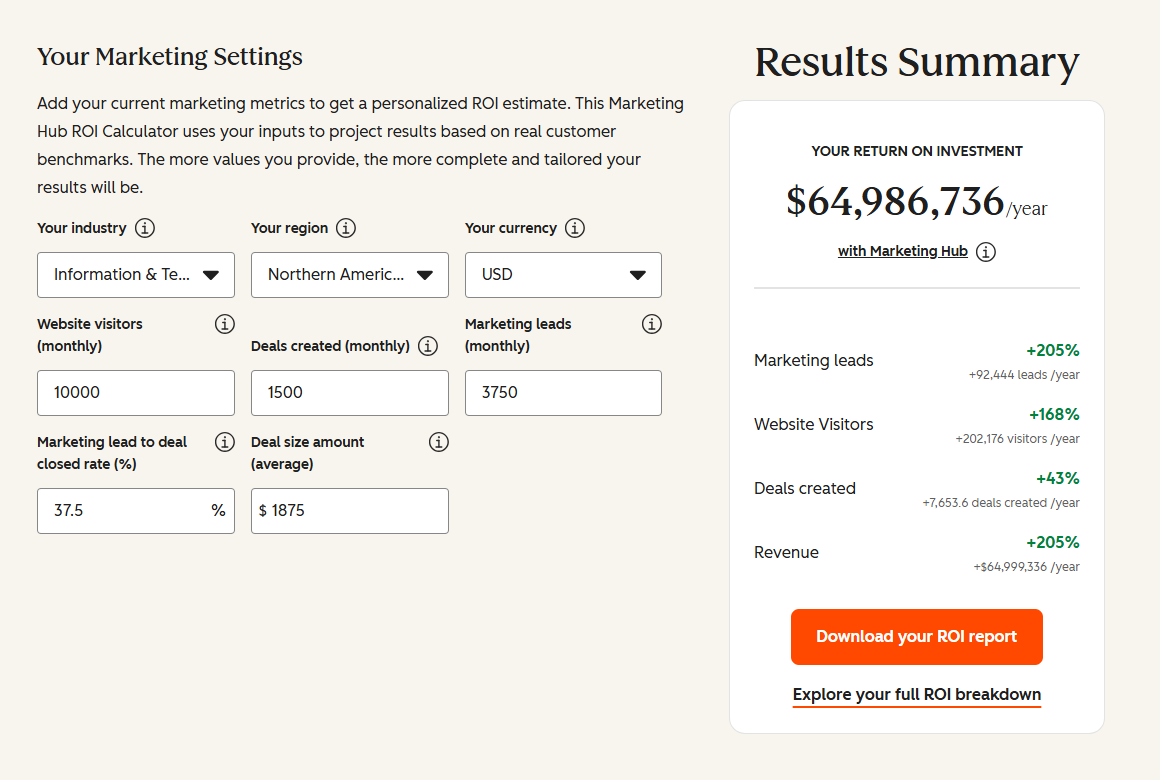
Connect the Rest of Your Field Service Stack
FieldRoutes data connects to more than sales campaigns. See our dedicated lawn care and pest control industry work, or check our RealGreen versus FieldRoutes comparison if you’re still evaluating platforms. Getting office staff and technicians onto the new workflow goes faster with HubSpot training and HubSpot onboarding right after go-live. Not sure what any of this is worth to your team? Run the numbers on our Integration ROI Calculator.

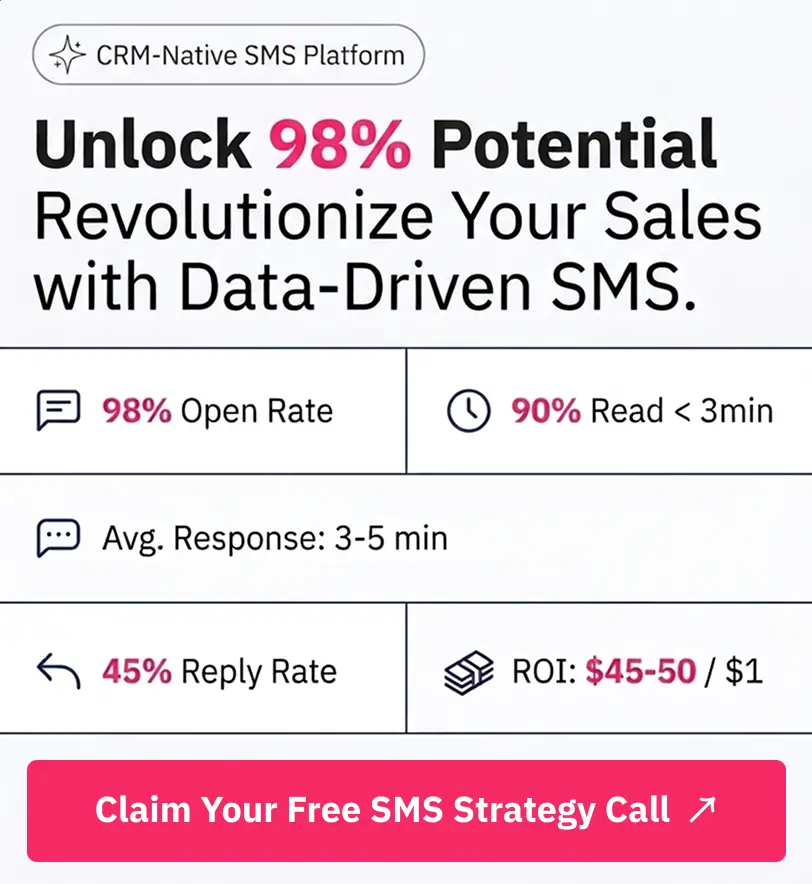
Table of Contents
- What is a HubSpot FieldRoutes integration?
- How does the HubSpot FieldRoutes integration work?
- Does FieldRoutes have a native HubSpot integration?
- How long does a HubSpot FieldRoutes integration take to build?
- Can HubSpot and FieldRoutes sync bi-directionally?
- Can this integration support multiple office locations and commercial parent-child accounts?
- How a HubSpot FieldRoutes Integration Actually Works
- Three Ways to Connect FieldRoutes and HubSpot
- Pest and Lawn Care Workflows You Can Automate Once FieldRoutes Data Lives in HubSpot
- What Breaks in a FieldRoutes HubSpot Sync, and How We Prevent It
- Implementation Timeline: What to Expect
- Connect the Rest of Your Field Service Stack