












Explore this article with AI:
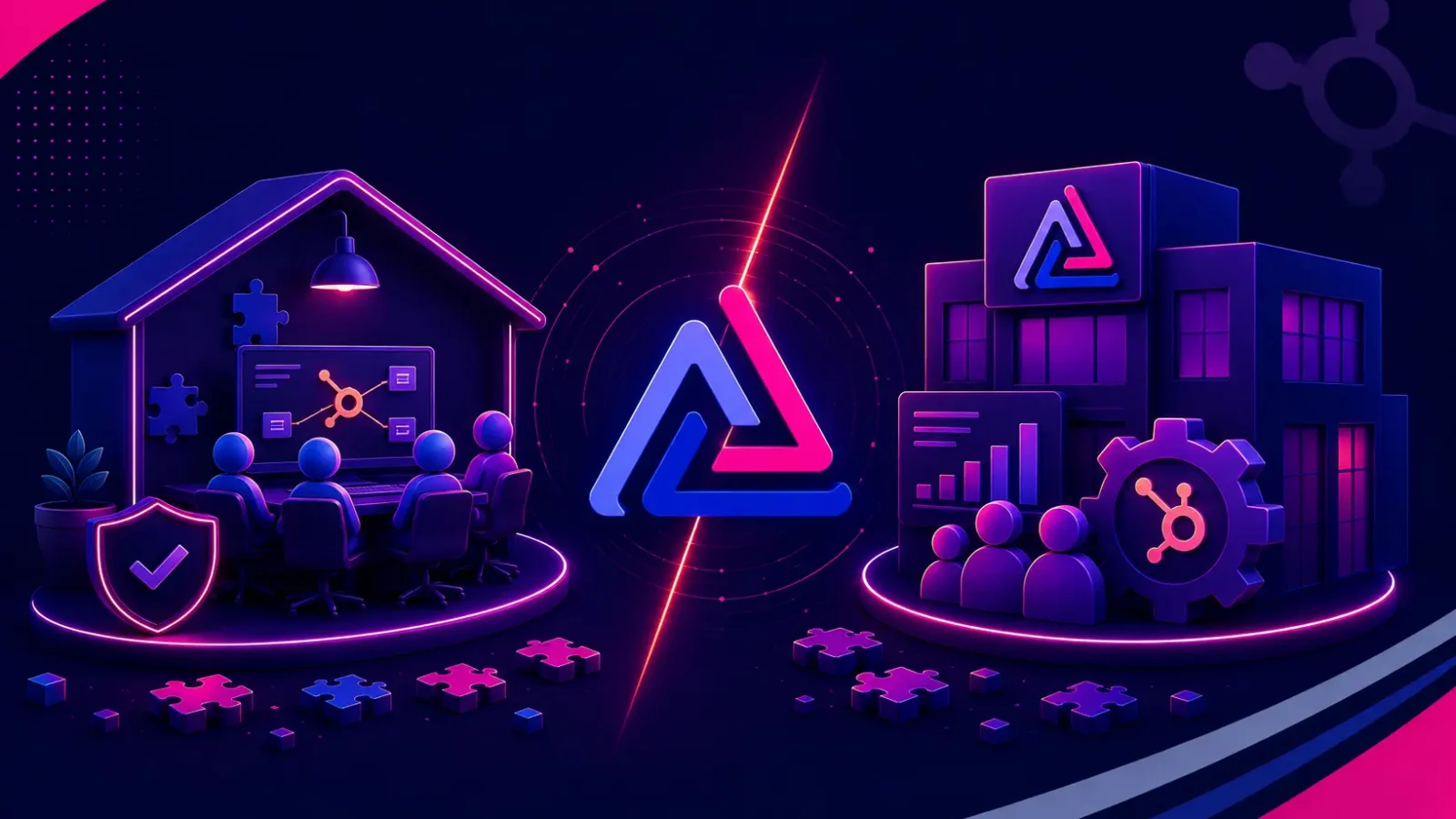
Most “in-house vs. agency” comparisons treat every outside option as one bucket. That’s the wrong framing. The real fork is who owns strategy versus who owns technical execution and whether the outside help actually has engineering depth or just marketing polish. Below: the real options, what each costs, what breaks when the wrong one is chosen and a decision framework to settle it.
Free estimator
Know what your HubSpot project costs before the first call.
Select your services and get a transparent price range in minutes. No sales call needed to get a number.
Connect HubSpot to your ERP, billing platform, or database field mapping, custom logic, and support included.
Pipelines, workflows, email templates, and reporting configured for how your team actually works.
Live, role-based sessions with recordings and written guides built around a custom plan for your team.
HubSpot Partner
Client retention
Platforms integrated
The Three Real Options, Not Two
Most comparisons flatten the market into “hire someone” or “hire an agency.” There are three distinct models. Conflating the last two is where bad decisions start.
In-house hire. A HubSpot admin or ops person on payroll, embedded and available daily. Strong on continuity and institutional knowledge. Weak on specialties a single hire rarely covers: custom integrations, API work, data migration, advanced reporting infrastructure.
Marketing-led agency. Strong on campaigns, content, workflow builds, and reporting. This is the default picture of a “HubSpot agency.” The gap shows up once a project needs custom-coded actions, serverless functions, or a real integration with another system. That work gets avoided or quietly subcontracted.
Engineering-led implementation partner. Built around custom integrations, data architecture and technical scoping from day one. The smaller category, and the one most comparisons skip because they’re written by, or for, marketing agencies.
Name the bucket you actually need before “in-house or agency” becomes the question at all.
What This Actually Costs
An in-house hire runs well into six figures once salary, benefits and onboarding are counted, before the ramp-up period where a new hire is still learning the portal rather than improving it. A marketing-led agency usually prices implementation as a project fee, with retainers layered on for ongoing maintenance and campaigns. An engineering-led partner scopes integration work as a fixed project with a defined delivery window, not an open-ended retainer.
The cost that rarely gets mentioned: redoing the project. A stalled in-house build, or a marketing-led implementation that skipped technical scoping, usually needs a rescue engagement. Rescue work costs more than doing it right the first time, because someone has to untangle what exists before building what’s needed.
Cost structure by model:
| Model | Primary cost driver | Ongoing cost | Hidden cost risk |
| In-house hire | Salary, benefits, onboarding time | Fixed monthly, regardless of workload | Ramp-up before the hire is productive; turnover resets progress |
| Marketing-led agency | Project fee for setup | Retainer for maintenance and campaigns | Integration work often quoted separately or subcontracted out |
| Engineering-led partner | Fixed project fee scoped to integration complexity | None required if the scope is one-time | Underscoping technical requirements before signing |

Turn HubSpot Into A Real-Time SMS Engine with
Message IQ

Two-Way Conversations

Shared Team Inbox

Automation Triggers

Advanced Reporting

Compliance Tools
-
98%
SMS read within 3 min -
78%
Buy from first responder -
21×
More likely to qualify
3–5 min avg response
$45–$50 ROI / $1

*MessageIQ is an IntegrateIQ product – built natively for HubSpot by the same team.
How to Evaluate an Implementation Partner
Before signing with any agency or partner, get direct answers to these:
- Can they show a completed custom integration, not just a workflow or reporting build?
- Do they build integrations themselves, or subcontract the technical work to a third party?
- What happens if a field mapping breaks after go-live? Is post-launch support included, or billed separately?
- How is the build documented, so it survives a staff change on either side?
- Is the delivery timeline tied to a fixed scope, or an hourly estimate that can drift?
A vendor who can’t answer the first two questions directly is usually a marketing-led agency positioning itself as an implementation partner.
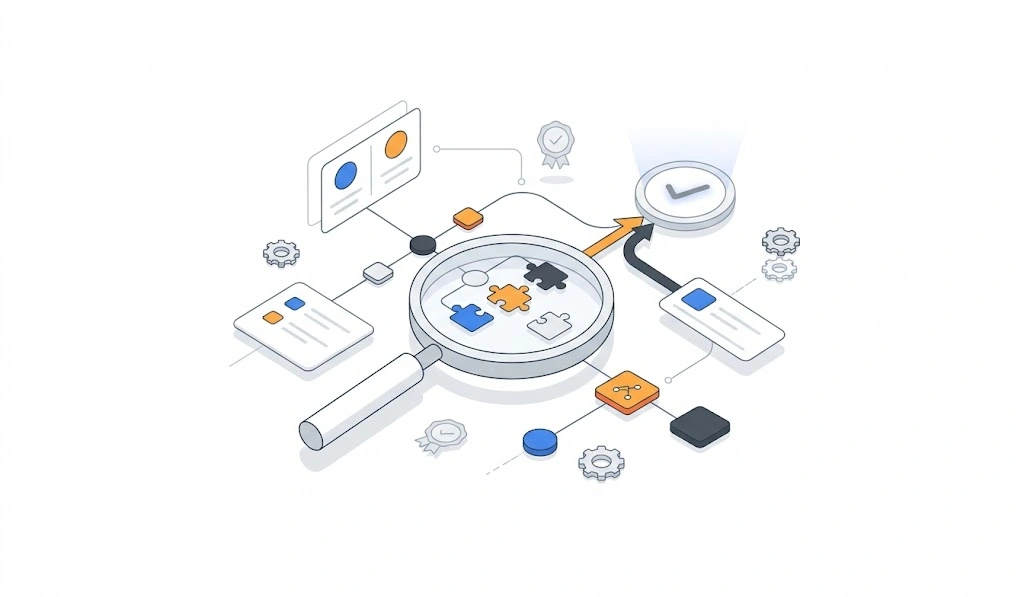
Signs You’ve Outgrown Your Current Model
- Requests pile up faster than one person, in-house or agency, can execute them
- The same integration request has been quoted, delayed or declined more than once
- Nobody outside one person, whether the in-house hire or the agency contact, understands how the current automation was built
- A “quick fix” workflow has been patched three or more times without the underlying data problem ever getting addressed
Any one of these is a signal to re-scope. Two or more usually means the current model has already been outgrown.
What Breaks When the Wrong Model Is Chosen
In-house without technical depth. A hire strong on campaigns and reporting gets asked to build a custom integration or migrate legacy data and the project stalls. They end up owning a scope they were never equipped for.
Marketing agency without engineering depth. Workflows and reporting look good. The integration between HubSpot and the ERP or billing system either never gets built or gets built on a patchwork tool that breaks the first time a field changes.
Any model without documentation. One resignation, in-house or agency-side, resets months of institutional knowledge. Whoever inherits the portal starts closer to zero than expected.
The Hybrid Model, With Actual Trigger Criteria
Most comparisons mention blending in-house and outside help and almost none say when. The working rule: keep strategy and day-to-day requests in-house, bring in an engineering-led partner for anything requiring custom integration, migration, or app development the in-house hire hasn’t done before.
Bring in outside help when:
- The project needs a specialty the in-house hire doesn’t have (integrations, custom-coded actions, data architecture)
- Requests are queuing up faster than one person can execute them
- The portal needs a one-time technical overhaul that doesn’t justify a second full-time hire
Stay fully in-house when:
- Requests are steady, well-understood, and don’t require custom engineering
- The team documents its processes well enough that the work survives turnover
Decision Framework
Run these in order. The first one that fits is the answer.
- Mostly day-to-day requests, campaigns, and reporting? In-house hire or marketing-led agency. Either works.
- Needs a custom integration, data migration, or API work? Engineering-led partner, regardless of what’s already in place.
- Current setup already stalled or half-built? Rescue project. Scope it before adding more work on top.
- Workload spans more than one specialty? Hybrid: in-house owner for strategy and continuity, specialist partner for the technical build.
Frequently Asked Questions
Is a HubSpot implementation partner the same as a HubSpot agency?
Not always. “Agency” often means a marketing-led firm strong in campaigns and content. An implementation partner is typically engineering-led, focused on custom integrations and technical scoping rather than ongoing marketing execution.
How much does HubSpot implementation cost with an agency versus in-house?
An in-house hire usually costs more over time once salary and benefits are counted, but offers daily availability. Agency and partner costs are typically a project fee or retainer, often lower upfront but variable with technical complexity.
Can a marketing-led agency handle custom HubSpot integrations?
Some can, but it’s not their core strength. Custom-coded actions and system-to-system integrations usually need an engineering-led partner, directly or subcontracted.
When does a hybrid model make sense for HubSpot?
When the workload spans more than one specialty, such as day-to-day admin plus a one-time integration project. Keep continuity in-house, bring in a specialist for the technical build.
What happens if an in-house HubSpot implementation stalls?
It usually needs a rescue engagement: audit what’s built, fix what’s broken, complete the scope that stalled. This costs more than starting with the right model, since untangling a half-built implementation takes time before new work can start.
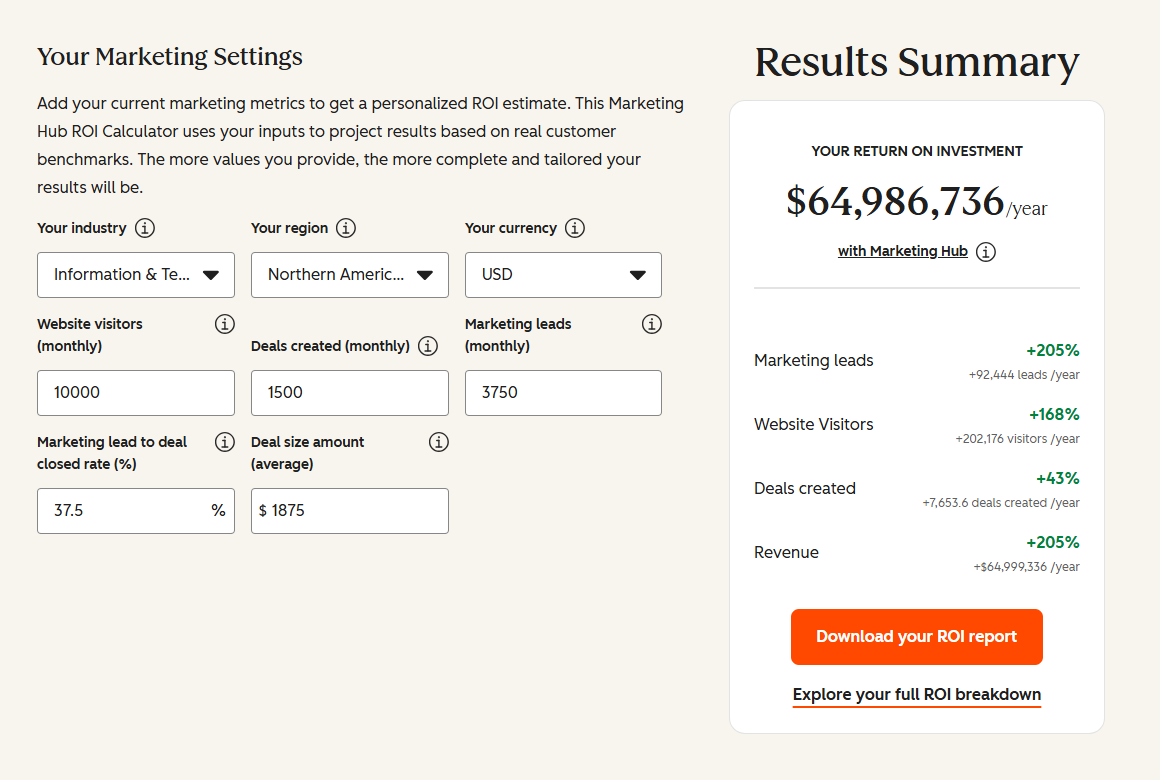
See your 12-month revenue impact with HubSpot CRM
Enter your current numbers — visitors, leads, deal size — and get a personalized projection based on real HubSpot customer benchmarks.
Where to Start
The first question isn’t cost. It’s whether the work ahead is strategy and day-to-day execution, or a technical build that needs engineering depth. We’ve rescued stalled implementations and built clean ones from scratch across 300+ platforms, with a 98.5% client retention rate and an 8-week delivery window on most engagements.
See our HubSpot integration process, check our HubSpot integrations service for system-to-system builds, or use the ROI calculator to compare the real cost of each path.

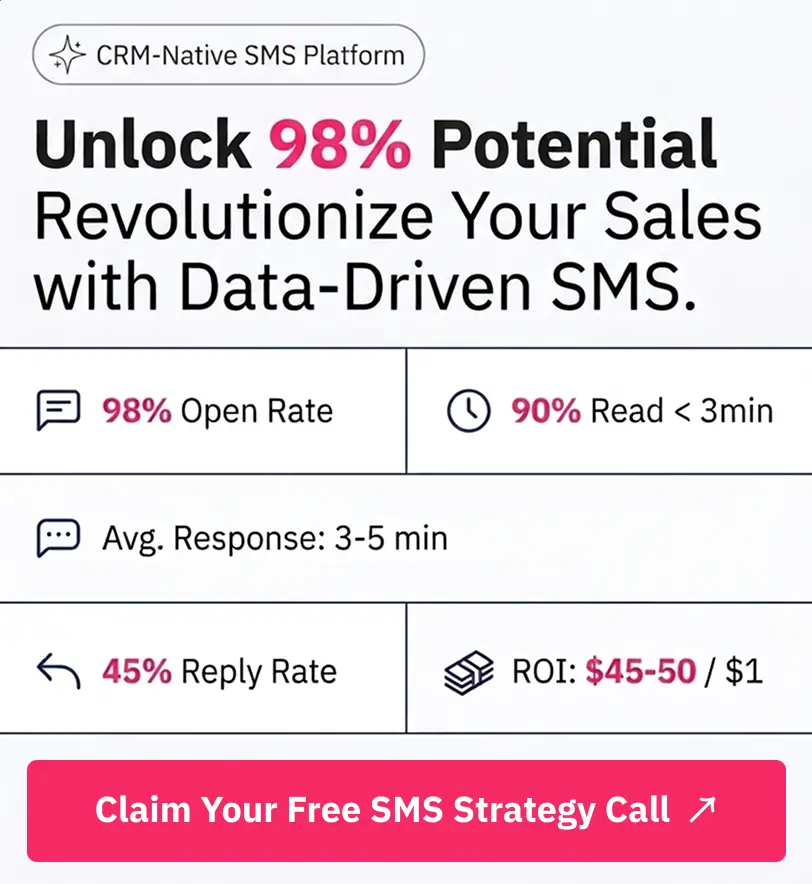
Table of Contents