





































What is a HubSpot Oracle Sales Cloud integration?
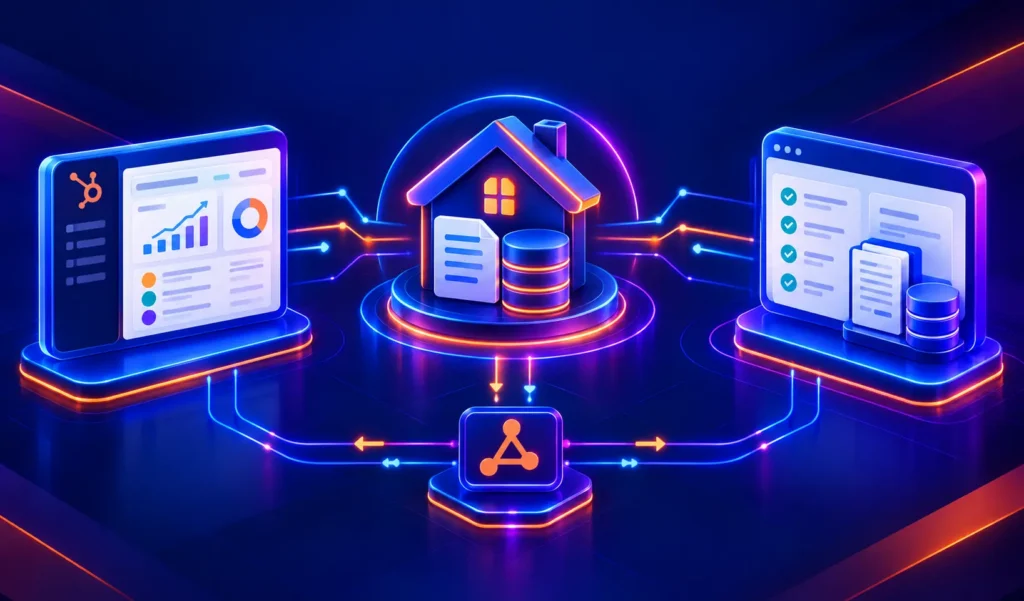
A HubSpot Oracle Sales Cloud integration connects your enterprise CRM to HubSpot’s marketing platform, syncing leads, contacts and opportunities so sales and marketing share one view of the pipeline instead of two disconnected systems.
How does the HubSpot Oracle Sales Cloud integration work?
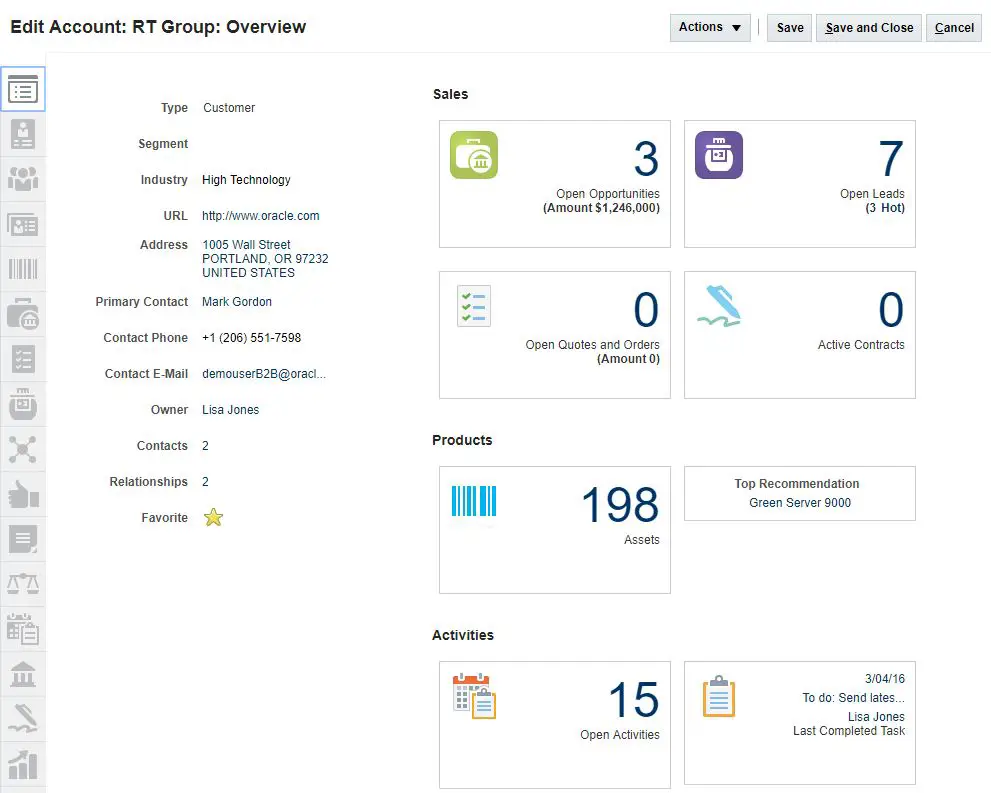
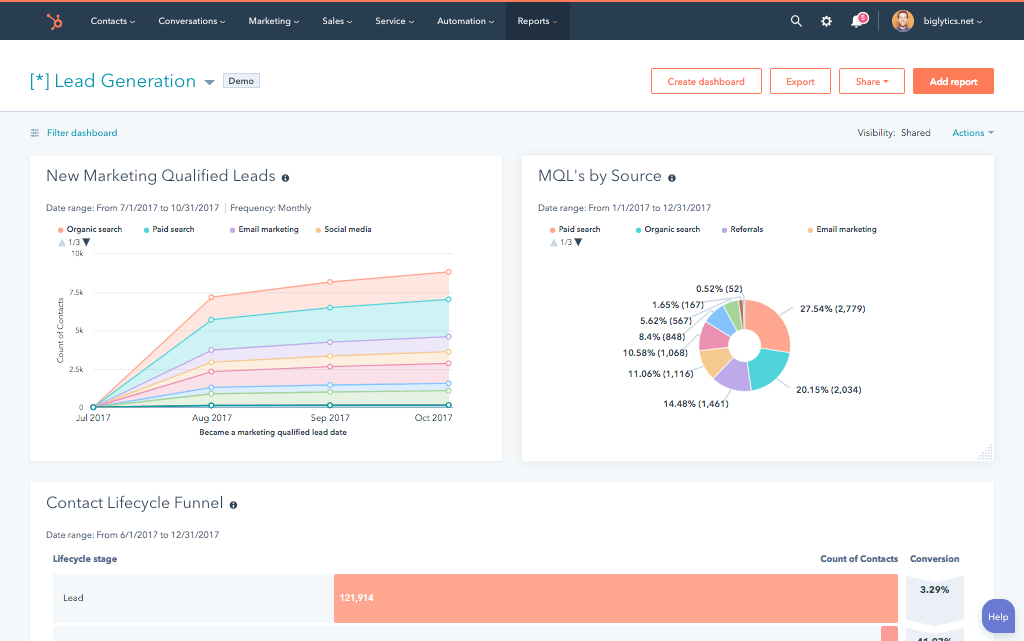
The integration maps HubSpot contacts, deals, and leads to Oracle’s Contacts, Accounts, Opportunities and Leads objects, then keeps both systems current. Marketing-qualified leads from HubSpot route into Oracle based on territory or custom rules, while opportunity and pipeline data flow back to close the attribution loop in HubSpot.

Turn HubSpot Into A Real-Time SMS Engine with Message IQ
 Two-Way Conversations
 Shared Team Inbox
 Automation Triggers
 Advanced Reporting
 Compliance Tools
- 98% SMS read within 3 min
- 78% Buy from first responder
- 21× More likely to qualify

*MessageIQ is an IntegrateIQ product – built natively for HubSpot by the same team.
Is Oracle Sales Cloud still called that?
Not officially. “Oracle Sales Cloud” is legacy branding; Oracle now calls the product Oracle CX Sales, part of Oracle Fusion Cloud CX. Oracle is also retiring its Classic Sales and Service UI in favor of a new Redwood experience. The old name is still what most people search for and what shows up in older contracts, so it’s worth knowing both names refer to the same evolving platform.
Does HubSpot have a native Oracle Sales Cloud integration?
No. HubSpot’s own community forum confirms there’s no native Oracle Sales Cloud or Oracle CX Sales integration in HubSpot’s marketplace. Third-party platforms like Skyvia offer generic connectivity, but most organizations connecting the two systems in depth do so through a custom-built integration.
How long does a HubSpot Oracle Sales Cloud integration take to build?
A custom HubSpot Oracle Sales Cloud integration typically takes 8 to 10 weeks: 2 to 3 weeks of discovery and field mapping, given the enterprise complexity typical of Oracle CX Sales deployments, 3 to 4 weeks of build and staging, and the remaining weeks for testing and go-live support.
Can HubSpot and Oracle Sales Cloud sync bi-directionally?
Yes. A custom integration can sync leads, opportunities, and account data from Oracle into HubSpot and push marketing-qualified leads, engagement history and campaign data from HubSpot back into Oracle. Direction and timing are configurable per object.
How a HubSpot Oracle Sales Cloud Integration Actually Works
A HubSpot Oracle Sales Cloud integration works by giving each system ownership of what it does best: Oracle CX Sales owns opportunity, account hierarchy, and forecast truth, while HubSpot owns marketing engagement and lead-generation truth. The integration keeps both current without manual re-entry.
In the HubSpot-to-Oracle direction, marketing-qualified leads route to the correct sales rep or queue based on territory or custom rules, and full engagement history, email opens, page views, content downloads, appears directly in the Oracle interface.
In the Oracle-to-HubSpot direction, opportunity stage changes, forecast category updates, and closed-won revenue sync back into HubSpot, closing the loop between marketing spend and actual sales outcomes.
Three Ways to Connect Oracle Sales Cloud and HubSpot
Not every team needs custom. Here is the honest comparison.
| Factor | No Native Connector | Generic iPaaS | Custom Integration (Integrate IQ) |
|---|---|---|---|
| Best for | Manual exports for a small pipeline | Simple one-way trigger automation | Enterprise teams with complex account hierarchies and forecast processes |
| Account hierarchy support | None | Not supported | Rolls up engagement and deal activity to the correct account level |
| Sync direction | None, manual | One-way per trigger, several needed for two-way | True bi-directional, configurable per object |
| Custom objects/fields | None | Limited, mapped per trigger | Full mapping of custom Oracle objects and HubSpot properties |
| Business logic | None | Basic conditional logic | Custom rules, e.g. forecast category alignment, incentive compensation trigger data |
| Volume handling | Manual, doesn’t scale | Struggles at enterprise account volume | Built for enterprise-scale account hierarchies and opportunity volume |
| Maintenance | None needed, but no value either | You manage it | Monitored, maintained, and supported |
If you’re testing the concept with a small pipeline, a generic iPaaS tool can get basic contact syncing running quickly. Once account hierarchies, forecast categories, or incentive compensation data matter to how your enterprise actually runs sales, a custom integration is what keeps that complexity intact instead of flattening it into a generic connector’s default fields.
Enterprise Sales Workflows You Can Automate Once Oracle Sales Cloud Data Lives in HubSpot
- Redwood UI Transition Readiness Check. Since Oracle is retiring its Classic Sales and Service experience in favor of the new Redwood UI starting with the 26D update, we verify which Oracle CX Sales UI and API version your integration is built against, so field mappings and automation don’t silently break when your instance is migrated to Redwood.
- Account Hierarchy Rollup for Enterprise Deals. For complex enterprise accounts with subsidiary or parent-child structures in Oracle CX Sales, HubSpot rolls up marketing engagement and deal activity to the correct level in the account hierarchy, instead of fragmenting a single enterprise relationship across multiple disconnected records.
- Forecast Category Alignment. Oracle CX Sales’ opportunity forecast categories, Pipeline, Best Case, Commit, sync to a matching HubSpot deal property, so marketing’s pipeline reporting and sales’ forecast categories tell the same story instead of two different numbers in two different systems.
- Incentive Compensation Trigger Data. For sales teams using Oracle’s Incentive Compensation module, key deal-closure events from HubSpot can feed the data Oracle needs for commission calculation, reducing the manual reconciliation between what marketing tracked and what compensation actually pays out on.
- Duplicate Merge Governance Sync. When Oracle’s duplicate resolution and data steward processes merge or update customer records, HubSpot reflects those merge decisions automatically, so a cleaned-up Oracle record doesn’t quietly re-fragment back into duplicates in HubSpot.
What Breaks in a Oracle Sales Cloud HubSpot Sync, and How We Prevent It
- Duplicate records and identity resolution. Oracle’s own duplicate resolution processes run independently of HubSpot’s; a merge in one system doesn’t automatically reflect in the other. We sync on Oracle’s stable record ID, not name or email matching alone, and account for Oracle-side merges.
- System-of-record conflicts. Sales may update an opportunity in Oracle CX Sales while marketing updates the same contact’s info in HubSpot. We define Oracle as the source of truth for opportunity and account fields, HubSpot for engagement fields, with locked writes.
- Field mapping and status drift. Oracle’s lead statuses (Unqualified, Qualified, Converted, Retired) and opportunity stages don’t map cleanly onto HubSpot deal stages by default. We build a translation layer so pipeline reporting doesn’t silently diverge from what sales sees in Oracle.
- Naming confusion and platform transition risk. “Oracle Sales Cloud” is legacy branding; the current product is Oracle CX Sales, part of Oracle Fusion Cloud CX, and Oracle is actively retiring its Classic UI in favor of a new Redwood experience. An integration built against outdated assumptions about the platform’s name or interface can break when your instance updates. We build against your instance’s actual current version, not a name from an old contract.
- API rate limits at enterprise volume. Enterprise Oracle CX Sales deployments with large account hierarchies and high opportunity volume can hit API limits during bulk syncs. Across 300+ platform integrations moving 20 billion plus fields annually, we batch and throttle high-volume syncs by design, not by accident.
Implementation Timeline: What to Expect
Most HubSpot Oracle Sales Cloud integrations ship in 8 to 10 weeks, reflecting the enterprise complexity typical of these deployments. The first 2 to 3 weeks cover discovery and field mapping, including confirming your instance’s current Oracle CX Sales version and UI. The next 3 to 4 weeks cover build and staging. The remaining weeks cover historical data backfill, testing, and go-live support. Our HubSpot integration process is the same repeatable framework behind our 98.5% client retention rate.
See your 12-month revenue impact with HubSpot CRM
Enter your current numbers — visitors, leads, deal size — and get a personalized projection based on real HubSpot customer benchmarks.
Calculate My ROI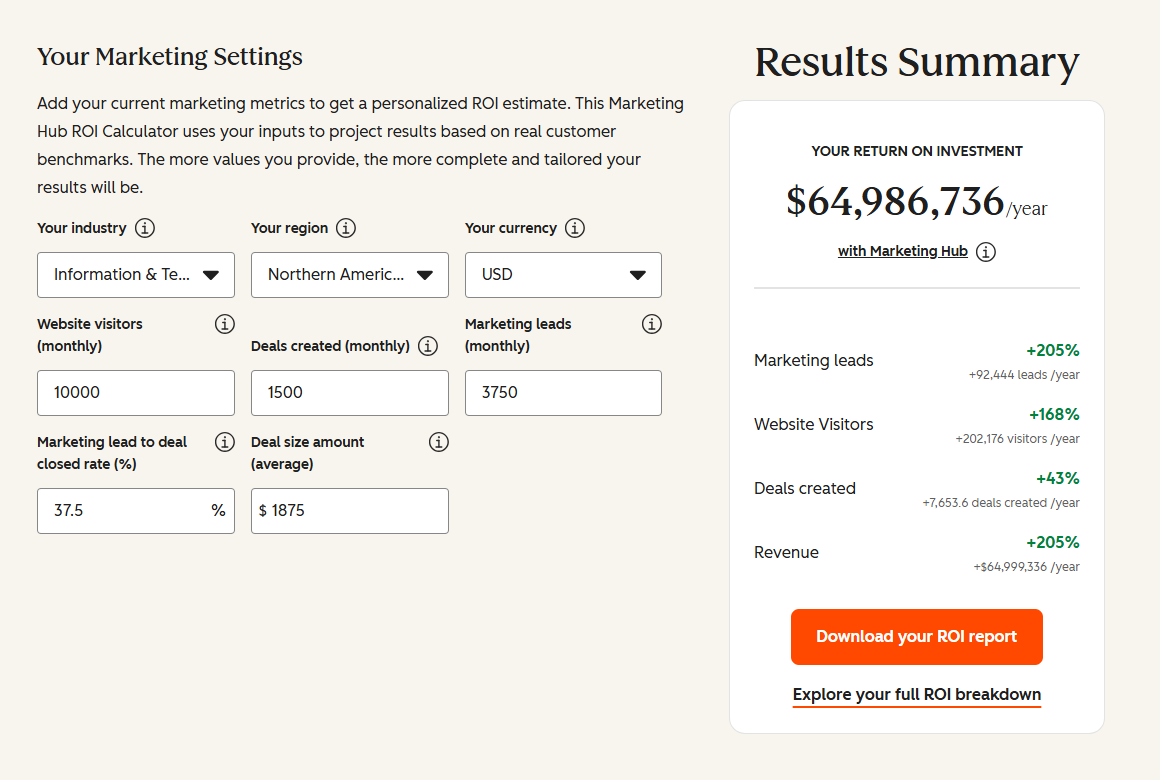
Connect the Rest of Your Enterprise Stack
If you’re still evaluating platforms, our HubSpot versus Oracle comparison covers the broader picture. Custom account hierarchy or incentive compensation logic beyond the standard build often needs full-stack development work. Getting sales and marketing teams onto the new workflow goes faster with HubSpot training and HubSpot onboarding right after go-live. Not sure what any of this is worth to your team? Run the numbers on our Integration ROI Calculator.

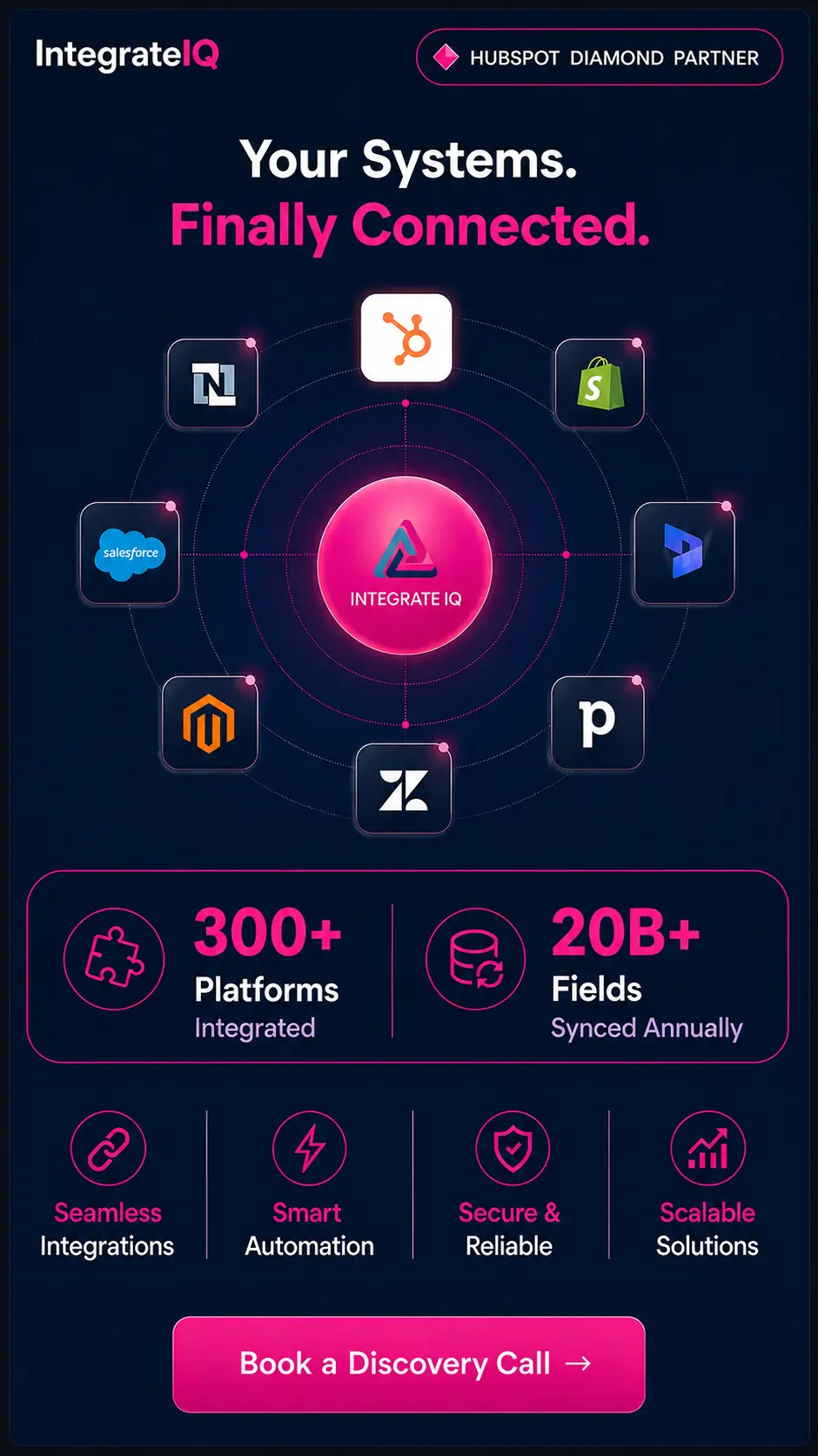
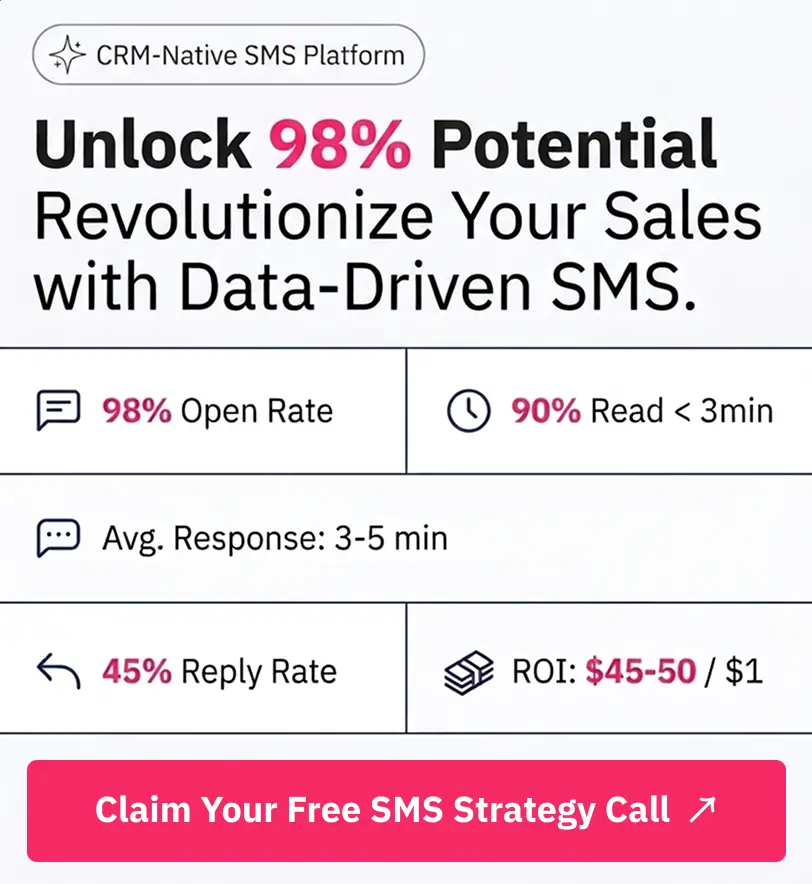
Table of Contents
- What is a HubSpot Oracle Sales Cloud integration?
- How does the HubSpot Oracle Sales Cloud integration work?
- Is Oracle Sales Cloud still called that?
- Does HubSpot have a native Oracle Sales Cloud integration?
- How long does a HubSpot Oracle Sales Cloud integration take to build?
- Can HubSpot and Oracle Sales Cloud sync bi-directionally?
- How a HubSpot Oracle Sales Cloud Integration Actually Works
- Three Ways to Connect Oracle Sales Cloud and HubSpot
- Enterprise Sales Workflows You Can Automate Once Oracle Sales Cloud Data Lives in HubSpot
- What Breaks in a Oracle Sales Cloud HubSpot Sync, and How We Prevent It
- Implementation Timeline: What to Expect
- Connect the Rest of Your Enterprise Stack