








































What is a HubSpot AMS360 integration?
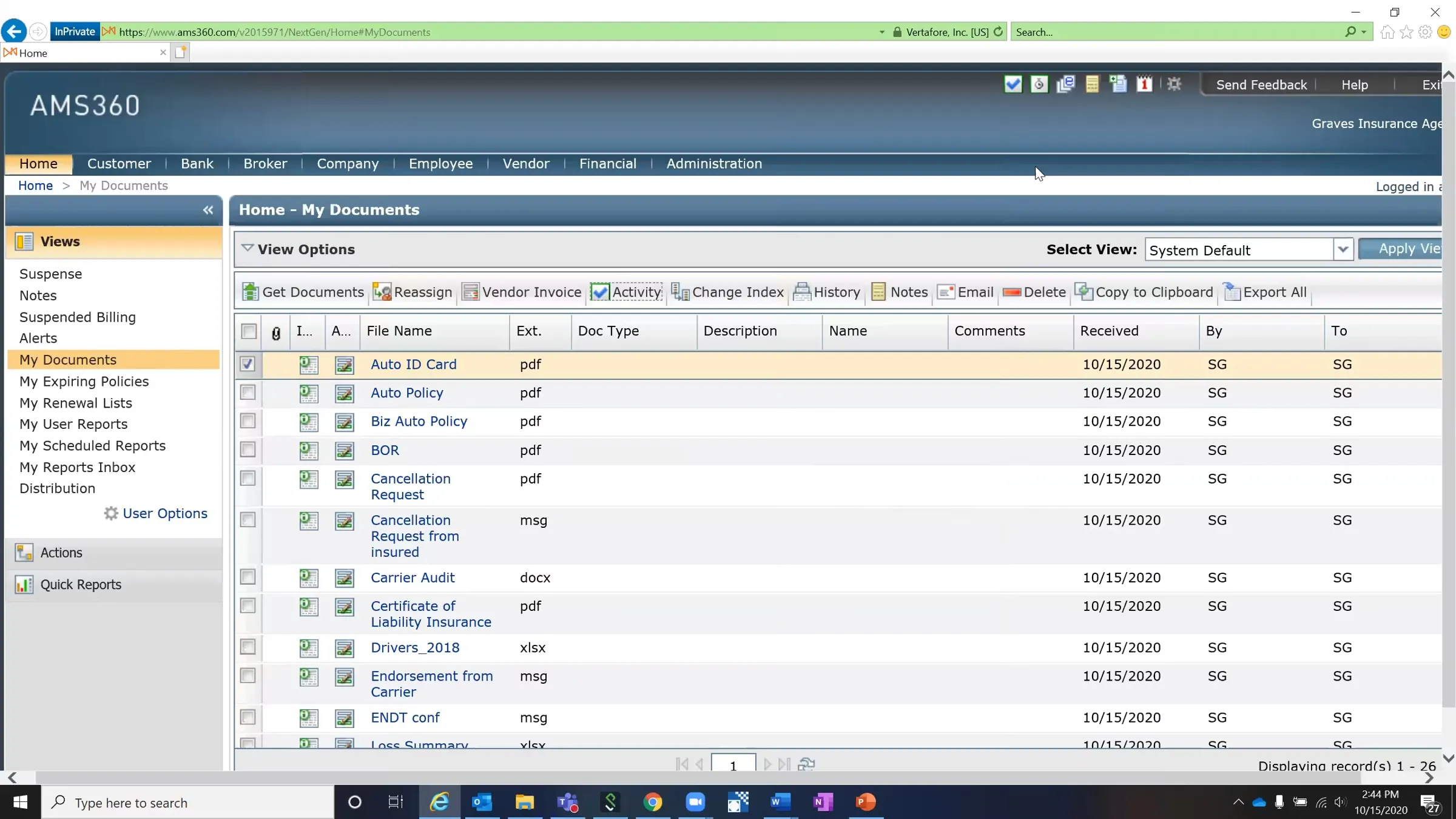
A HubSpot AMS360 integration is a data connection that syncs clients, policies, coverage details, x-dates, and commissions between Vertafore AMS360 and HubSpot in near real time. It gives producers and account managers policy context inside HubSpot and pushes marketing activity into AMS360, so cross-sell and renewal campaigns run on real book-of-business data.
How does the HubSpot AMS360 integration work?
It works through the AMS360 Web Service API (WSAPI), which requires a Vertafore SDK agreement and per-tenant enablement. Because AMS360 does not offer webhooks, syncs run on a defined cadence (usually near real time by shortening the polling interval). Dedupe anchors on AMS360 customer number and policy number plus term dates rather than fragile name matching.

Turn HubSpot Into A Real-Time SMS Engine with Message IQ
 Two-Way Conversations
 Shared Team Inbox
 Automation Triggers
 Advanced Reporting
 Compliance Tools
- 98% SMS read within 3 min
- 78% Buy from first responder
- 21× More likely to qualify

*MessageIQ is an IntegrateIQ product – built natively for HubSpot by the same team.
Does HubSpot have a native AMS360 integration?
No. HubSpot does not offer a native AMS360 connector, and Vertafore’s AMS360 Connect product only supports Salesforce, not HubSpot. Independent agencies wanting AMS360 data inside HubSpot need a custom-built integration against the WSAPI or scheduled AL3 and CSV exports where WSAPI access is pending.
How long does a HubSpot AMS360 integration take to build?
A HubSpot AMS360 integration takes about 8 weeks from kickoff to production. Discovery runs two weeks for WSAPI SDK agreement, dedupe rule design (anchored on AMS360 customer and policy numbers), and personal-vs-commercial lines scoping. Build and staging runs three weeks. Backfill runs one week, and cutover with hypercare covers the final two weeks.
Can HubSpot and AMS360 sync bi-directionally?
Yes with a custom build. Client contact information (phone, email, address) syncs both directions with field-level system of record, while sensitive policy and coverage data typically flows one-way from AMS360 to HubSpot for marketing use. HubSpot form submissions, marketing activity, and qualified leads can create prospect shells and suspenses in AMS360 so producers see marketing context.
What data can sync between HubSpot and AMS360?
Clients, policies (personal and commercial lines), coverage details, x-dates (expiration dates), premium amounts, commission data, producer assignments, and suspenses. HubSpot marketing engagement (form submissions, email opens, campaign attribution, lifecycle stage) flows the other way. Field mapping is configured per agency so only relevant data flows and each field has a defined owner.
How a HubSpot AMS360 Integration Actually Works
A HubSpot AMS360 integration keeps an insurance agency management system and a marketing platform in agreement without asking account managers to re-key data. AMS360 owns the policy relationship: clients, policies, coverages, x-dates, premiums, commissions, producer assignments, and suspenses (tasks). HubSpot owns the marketing relationship: form submissions, ad source, email engagement, campaign attribution, lifecycle stage, and lead scoring for new-business prospects.
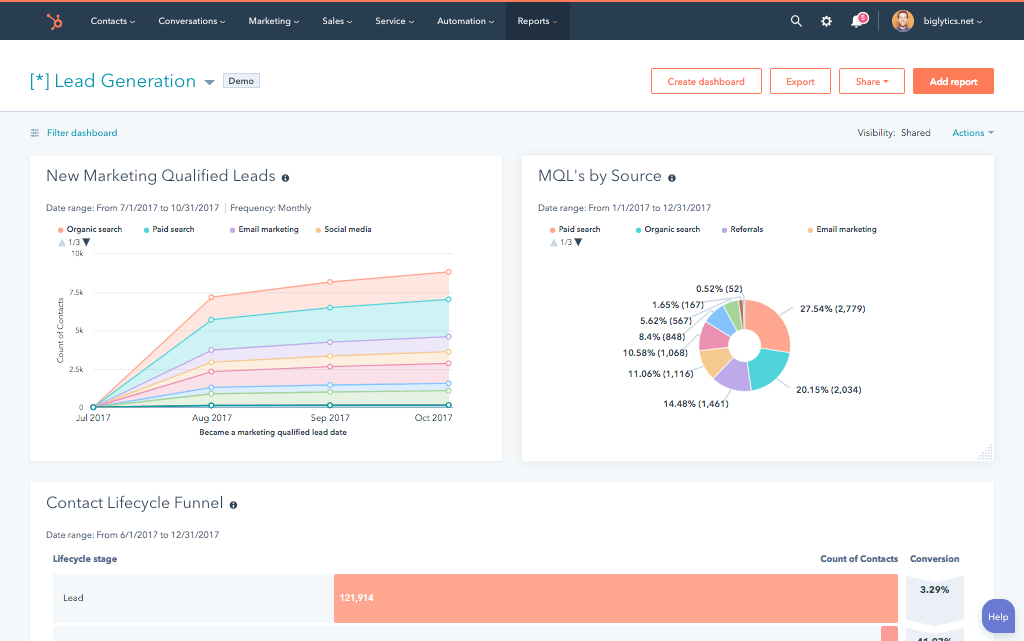
The sync moves both directions with insurance-specific care. New leads captured through HubSpot forms (Google Ads landing pages, quote request pages, referral partner submissions) create prospect shells in AMS360 with the original marketing source tagged and a suspense assigned to the right producer. Client policy data, coverage details, x-dates, and premium updates flow from AMS360 to HubSpot so marketing can segment by real book-of-business attributes and time renewal campaigns to actual x-dates.
The important part is what stays inside AMS360. Sensitive policy and coverage data flows one-way to HubSpot for marketing use only, with system of record staying inside AMS360. Client contact information (phone, email, address) syncs bi-directionally with field-level ownership decisions made during discovery, so a producer editing a phone number in AMS360 never gets silently overwritten by a marketing update.
Three Ways to Connect AMS360 and HubSpot
There is no native connector and Vertafore’s own AMS360 Connect only works with Salesforce. Here is the honest comparison of what is actually available.
| Factor | Manual CSV / AL3 Export | iPaaS with Custom Config (Synatic, Workato) | Custom (Integrate IQ) |
|---|---|---|---|
| Best for | Small agencies with monthly reporting needs | Mid-size agencies wanting configurable sync without engineering | Growing agencies with multi-line books, renewal-driven revenue, and cross-sell strategies |
| Sync direction | One-way manual push | Configurable but rebuild per object | True bi-directional with field-level system of record |
| Policy and coverage sync depth | Whatever fits the export | Standard fields, custom fields require add-ons | Full policy, coverage, endorsement, and commission data with insurance-specific logic |
| Dedupe against AMS360 customer and policy numbers | Manual matching, error-prone | Basic key matching | Anchored on AMS360 customer + policy number + term dates for reliable identity resolution |
| Multi-line agency support (personal + commercial) | One export per line, manual reconciliation | Add-on per line, extra config | One integration handles personal, commercial, benefits, and specialty lines together |
| x-date renewal automation depth | Manual list building for renewals | Basic date triggers | Full 90/60/30/7 day renewal radar with producer task assignment |
| WSAPI access and SDK setup | Not required (uses exports) | Requires Vertafore SDK agreement | We manage WSAPI SDK agreement, WSAPI login setup, and entity-level permissions |
| Maintenance | You do it every month | Ongoing SaaS cost plus internal ops time | Monitored post-launch, included in scope |
If your agency does monthly reporting and does not need marketing to know renewal dates in real time, manual export works. iPaaS platforms fit mid-size agencies wanting configurable sync without engineering. Anywhere you run multi-line books, want x-date-driven renewal automation, need HubSpot marketing to segment by real coverage details, or plan to cross-sell umbrella to personal auto customers systematically, a custom HubSpot AMS360 integration wins. Our custom HubSpot integration services cover the build, WSAPI setup, and post-launch monitoring.
Insurance Revenue Workflows Once AMS360 Data Lives in HubSpot
- x-date renewal radar with producer tasks. Policy x-dates in AMS360 drive a HubSpot renewal radar that surfaces upcoming renewals 90, 60, 30, and 7 days out. Each threshold enrolls the client in an appropriate email sequence and assigns a suspense to the producer of record inside AMS360, so the sales side and the operations side never fall out of step.
- Cross-sell umbrella to personal auto clients. A HubSpot smart list surfaces AMS360 clients with personal auto coverage but no umbrella policy, then enrolls them in an umbrella education sequence. Producers get a suspense in AMS360 to quote umbrella when the client engages, so the marketing effort ends in a real book-of-business action, not a form fill.
- Commercial renewal risk detection. Commercial policies within 120 days of x-date with premium increases above a threshold get flagged in HubSpot as retention risks. The account executive sees the deal risk with full policy history attached, and marketing suppresses new-business messages to that account until the renewal closes.
- Post-quote conversion tracking. A quote issued in AMS360 creates a HubSpot deal tagged with the original marketing source (Google Ads campaign, referral partner, quote form). When the policy binds, the deal closes and revenue attributes back to the campaign that generated the quote so agency marketing sees cost-per-bound-policy by channel, not cost-per-lead.
- Referral partner activation for slow producers. Referral partners (real estate agents, mortgage brokers) tracked in HubSpot get a monthly “how many quotes did you refer” report, and slow producers get re-engagement outreach. AMS360 quote and bind data proves who is actually referring versus who is just on the newsletter list.
What Breaks in an AMS360 HubSpot Sync, and How We Prevent It
- Name-based dedupe on commercial clients. Commercial names like “Smith LLC” are unreliable identifiers, especially with DBAs, entity changes, and shared owners. Naive syncs create three records for one insured. We anchor dedupe on AMS360 customer number and policy number plus term dates rather than human-readable strings.
- System-of-record conflicts on shared client data. Marketing edits a client email in HubSpot the same day an account manager corrects a phone number in AMS360. Without field-level system of record, one write silently wipes the other. We define system of record per field before the first sync runs, with AMS360 owning the operational fields and HubSpot owning marketing engagement.
- Personal vs commercial lines mixed. Personal auto, homeowners, and umbrella policies have different renewal cycles, cross-sell patterns, and producer models than commercial lines. Syncing them into one pool inside HubSpot destroys segmentation. We tag every policy record with line of business at sync time so campaigns can target personal-lines and commercial-lines audiences separately.
- AMS360 has no webhooks. WSAPI supports polling but not push notifications, so “real time” is really a fast polling loop. Naive integrations either poll too infrequently (missing renewals inside the 7-day window) or too frequently (hitting rate limits). We tune polling cadence per object type: policy changes fast, commission data nightly.
- WSAPI SDK agreement gate. Vertafore requires a signed WSAPI SDK agreement and a WSAPI login ID before API access unlocks. Teams that start build without this in place stall for weeks waiting on Vertafore paperwork. We surface the SDK requirement in the first discovery call so it moves in parallel with our build.
Implementation Timeline: What to Expect
Most HubSpot AMS360 integrations complete inside eight weeks of kickoff. Discovery covers two weeks: WSAPI SDK agreement kickoff with Vertafore (which we manage in parallel), object inventory across personal and commercial lines, dedupe key design (customer number, policy number, term dates), and producer suspense mapping. Weeks three to five are build and unit testing against a staging AMS360 instance and a HubSpot sandbox. Week six runs the historical backfill of active policies and coverage details. Weeks seven and eight cover user acceptance testing (producers, account managers, agency marketing), cutover, and hypercare. Multi-line agencies with heavy commercial books add discovery time, not build time. Post-launch monitoring is included, so if Vertafore rolls a WSAPI change, we see it before your renewal reports do. Full detail is on our HubSpot integration process page and 98.5% of clients renew for a follow-on scope.
Connect the Rest of Your Revenue Stack
AMS360 rarely lives alone in the insurance agency stack. Agencies pairing AMS360 with additional operational systems often review our HubSpot QuickBooks integration (https://integrateiq.com/integrations/hubspot-quickbooks/) for commission reconciliation. Agencies adding SMS renewal reminders and x-date follow-up layer in Message IQ, an Integrate IQ product built natively for HubSpot that fires SMS from workflow triggers with 98% read rate for renewal nudges, quote delivery, and claims status updates Message IQ has a dedicated SMS marketing for insurance brokers page at that walks through TCPA and 10DLC compliance). For broader financial services context, our banking and finance industry page covers adjacent patterns, and the integration ROI calculator turns the case into a number.
See your 12-month revenue impact with HubSpot CRM
Enter your current numbers — visitors, leads, deal size — and get a personalized projection based on real HubSpot customer benchmarks.
Calculate My ROI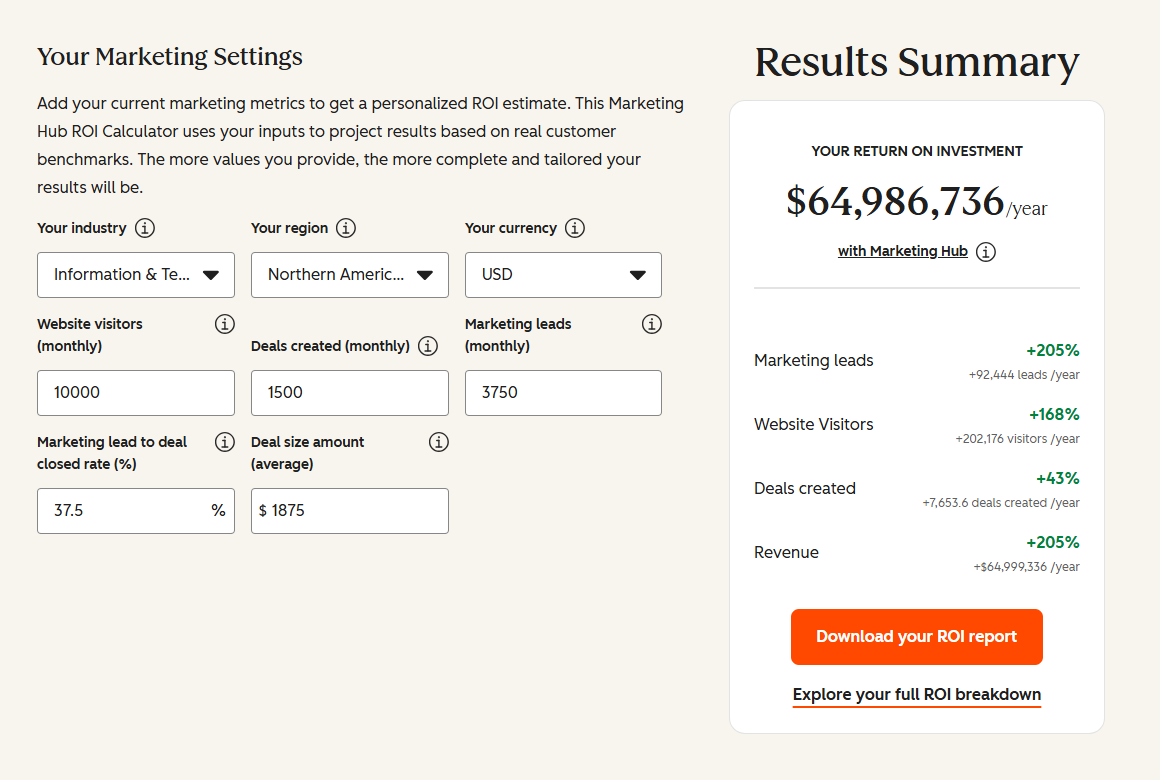
Book My Free Strategy Call

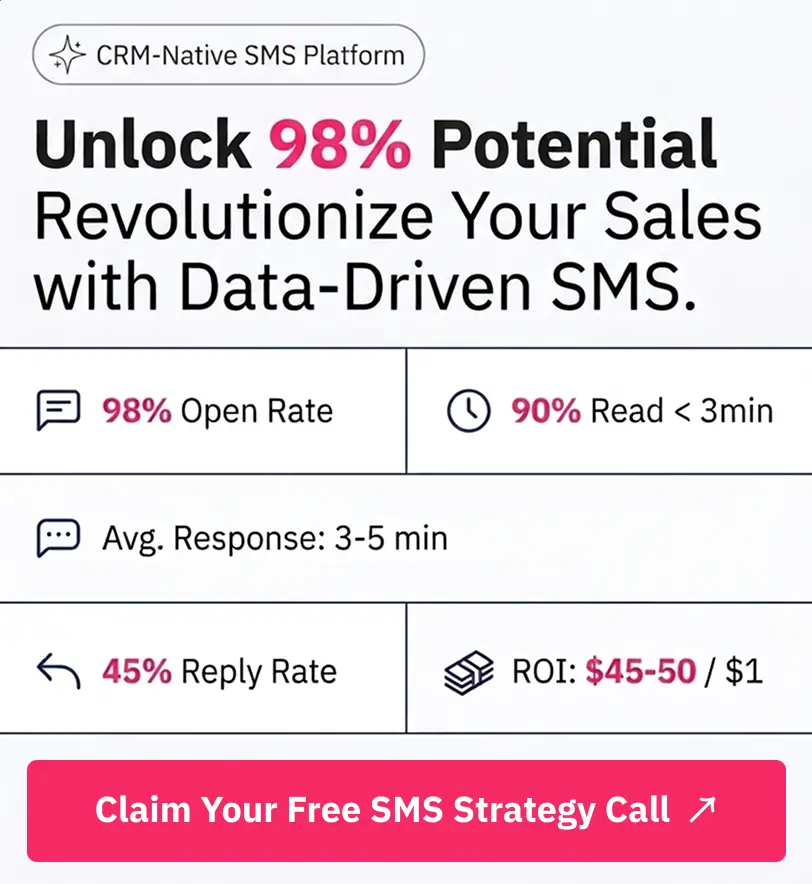
Table of Contents
- What is a HubSpot AMS360 integration?
- How does the HubSpot AMS360 integration work?
- Does HubSpot have a native AMS360 integration?
- How long does a HubSpot AMS360 integration take to build?
- Can HubSpot and AMS360 sync bi-directionally?
- What data can sync between HubSpot and AMS360?
- How a HubSpot AMS360 Integration Actually Works
- Three Ways to Connect AMS360 and HubSpot
- Insurance Revenue Workflows Once AMS360 Data Lives in HubSpot
- What Breaks in an AMS360 HubSpot Sync, and How We Prevent It
- Implementation Timeline: What to Expect
- Connect the Rest of Your Revenue Stack
- Book My Free Strategy Call