







































What is a HubSpot Epic integration?
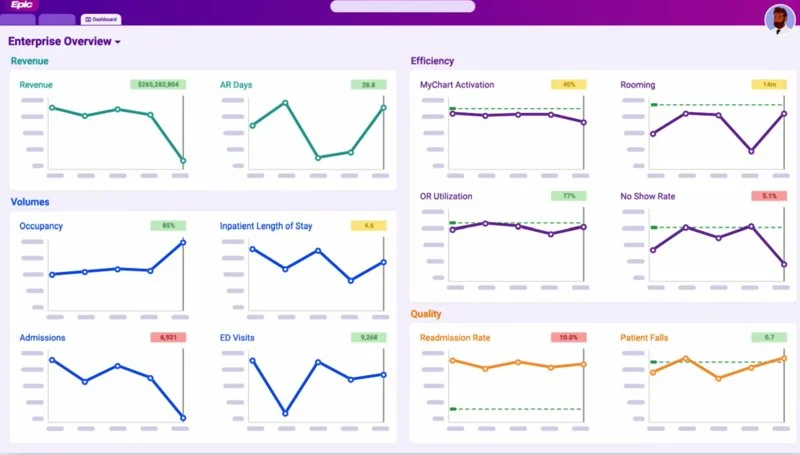
A HubSpot Epic integration connects your Epic EHR to HubSpot, syncing non-clinical patient engagement data like demographics, appointment status, and referral activity, so marketing, patient access and call center teams can run personalized outreach without clinical staff losing visibility into what’s happening outside the EHR.
How does the HubSpot Epic integration work?
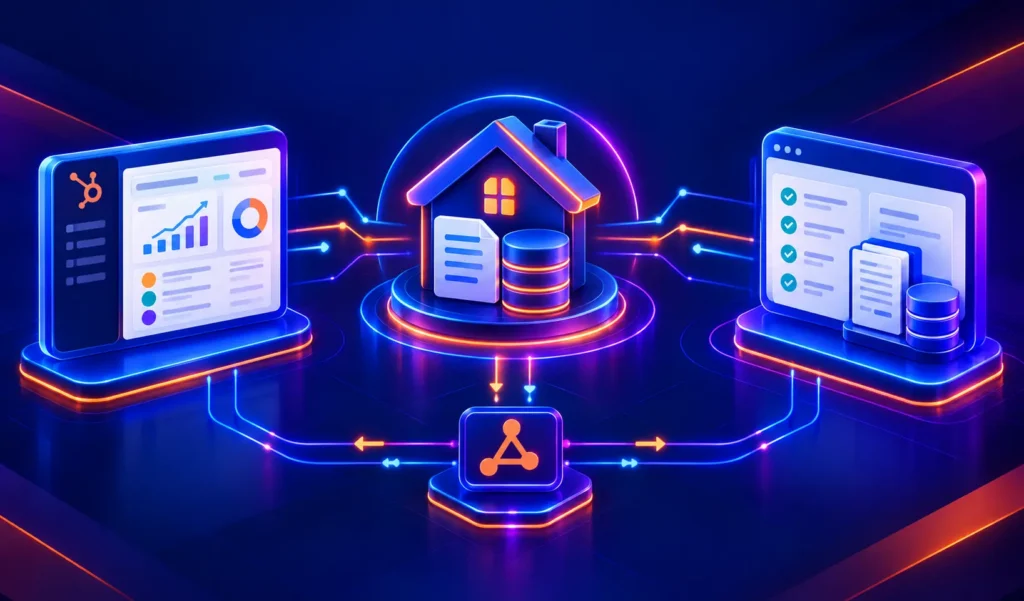
The integration maps Epic Patients, Appointments and Referrals, and Encounter Status to HubSpot Contacts, Tickets or Deals, and Custom Events using FHIR or HL7, depending on the site’s Epic configuration. Appointment events in Epic can trigger HubSpot nurture sequences, while engagement data can feed back into Epic’s demographic record.

Turn HubSpot Into A Real-Time SMS Engine with Message IQ
 Two-Way Conversations
 Shared Team Inbox
 Automation Triggers
 Advanced Reporting
 Compliance Tools
- 98% SMS read within 3 min
- 78% Buy from first responder
- 21× More likely to qualify

*MessageIQ is an IntegrateIQ product – built natively for HubSpot by the same team.
Is there a native or marketplace HubSpot app for Epic?
Not in the way most SaaS integrations work. Epic’s third-party app marketplace, formerly called App Orchard and now called Showroom, is built for clinical and patient-facing apps launched inside Epic’s workflow, not general marketing CRM connectors. A HubSpot Epic integration is typically a custom build against Epic’s FHIR or HL7 interfaces rather than a marketplace listing.
How long does a HubSpot Epic integration take to build?
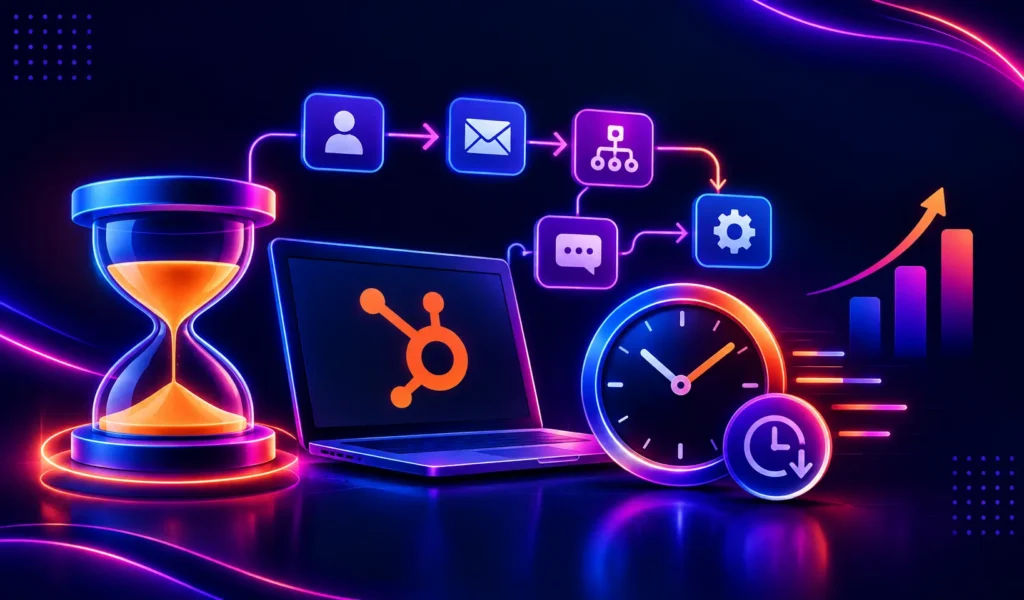
Timeline depends heavily on your specific Epic site’s configuration. A typical custom integration takes 10 to 14 weeks: several weeks of discovery to confirm which FHIR resources your Epic instance exposes, followed by build, staging against a sandbox environment and a compliance and security review before go-live.
Can HubSpot and Epic sync bi-directionally?
Yes. A custom integration can pull patient, appointment, and encounter data from Epic into HubSpot, and push engagement or communication-preference updates back into Epic’s demographic record. Clinical documentation generally stays one-way, out of HubSpot, by design rather than by limitation.
Is a HubSpot Epic integration HIPAA-compliant?
It can be, but compliance depends on the build, not on HubSpot or Epic alone. A compliant integration runs under a signed BAA, uses encrypted FHIR or HL7 interfaces, and syncs only non-clinical metadata like appointment status and department rather than clinical notes or lab results.
How a HubSpot Epic Integration Actually Works
A HubSpot Epic integration works by keeping each system in its lane: Epic remains the clinical and legal record, while HubSpot becomes the engagement layer for everything that isn’t a clinical decision. The integration moves only the metadata marketing and patient access teams actually need.
On the Epic-to-HubSpot side, appointment scheduling, encounter status changes, and referral activity sync into HubSpot as contact updates, deal or ticket stage changes, or custom events, feeding the nurture and attribution workflows your team runs.
On the HubSpot-to-Epic side, sync stays narrow by design: communication preferences and updated contact details can write back to the demographic record, but clinical notes, diagnoses, and lab results never cross into HubSpot in the first place.
Three Ways to Connect Epic and HubSpot
Not every team needs custom. Here is the honest comparison.
| Factor | Epic Marketplace App (Showroom) | Generic Middleware / iPaaS | Custom Integration (Integrate IQ) |
|---|---|---|---|
| Best for | Clinical or patient-facing apps launched inside Epic’s workflow (e.g. MyChart tools) | Generic point-to-point syncs for simple field mapping | Marketing and patient-engagement teams needing tailored, non-clinical data flows |
| Sync direction | Defined by the app’s approved use case, rarely marketing-oriented | Configurable but generic, not healthcare-aware | True bi-directional, scoped deliberately by field |
| HIPAA / BAA coverage | Governed by Epic’s certification process | Depends entirely on the platform and your configuration | Signed BAA, encrypted FHIR/HL7, documented data-scope boundary |
| Custom objects/fields | Fixed to what the app was built and certified for | Limited, generic field mapping | Full mapping to your Epic instance’s specific FHIR resources and HubSpot custom objects |
| Site-specific configuration | Standardized across all sites running the app | Not aware of site-specific Epic quirks | Built and tested against your specific Epic instance’s configuration |
| Business logic | Whatever the app was certified to do | Basic conditional rules | Custom rules, e.g. only sync “New Patient” appointments, filter sensitive encounter types |
| Volume handling | Built for the app’s intended scale | Varies, often not built for enterprise patient rosters | Built for enterprise-scale rosters and thousands of appointment updates |
| Maintenance | Epic-managed certification and updates | You manage configuration and breakage | Monitored, maintained, and supported |
If you need a clinical or patient-facing tool embedded directly in Epic’s workflow, the Showroom marketplace, formerly App Orchard, is the right door. If you need HubSpot to run patient engagement and referral marketing off real Epic data without going through Epic’s app certification process, a custom integration gets you there faster.
Patient Engagement Workflows You Can Automate Once Epic Data Lives in HubSpot
- Population Health Outreach Lists. Scheduled batch syncs of patients meeting a defined clinical criteria, overdue for an annual wellness visit for example, feed a HubSpot list for a targeted outreach campaign, distinct from one-off appointment-triggered nurturing.
- Service Line Growth Attribution. HubSpot campaigns tied to a specific service line, orthopedics or cardiology for example, get matched against Epic encounter volume for that department, showing which campaigns actually grew a specific service line, not just overall visits.
- No-Show Risk Scoring Handoff. Patients flagged by Epic’s scheduling data as having missed multiple recent appointments get routed into a distinct HubSpot re-engagement track with a live outreach call option, separate from standard automated reminders.
- Provider Directory Sync for Marketing. Epic’s provider and location data syncs into HubSpot so marketing can build accurate “find a doctor” campaigns and location pages without a separate, manually maintained spreadsheet.
- Consent and Communication Preference Enforcement. Opt-out or communication preference changes made in HubSpot write back to Epic’s demographic record, so a patient who unsubscribes from marketing doesn’t keep getting non-clinical outreach triggered from the EHR side.
What Breaks in a Epic HubSpot Sync, and How We Prevent It
- Duplicate patient records. Patients registering through multiple entry points, a web form, a walk-in, a referral, can create duplicate Epic or HubSpot records if matching relies on name and date of birth alone. We match on MRN or another stable identifier, not fuzzy name matching.
- System-of-record conflicts. Marketing may update a communication preference in HubSpot while registration updates the same patient’s contact info in Epic. We define Epic as the source of truth for demographics and clinical fields, HubSpot for engagement fields, with locked writes.
- Field mapping and status drift. Epic encounter statuses (Scheduled, Arrived, Completed, No-Show) don’t map cleanly to HubSpot deal or ticket stages by default. We build a translation layer so attribution reporting never silently diverges from what actually happened clinically.
- Site-specific Epic configuration drift. Each Epic instance is configured differently by the health system that runs it, custom fields, workflows, and FHIR resource availability all vary by site. An integration built for one Epic environment can break when a hospital upgrades or reconfigures. We build against your specific instance’s FHIR/HL7 capabilities and document what’s site-specific versus standard.
- API rate limits and PHI scope at volume. Enterprise-scale patient rosters and appointment volume can hit FHIR API rate limits, and syncing more clinical detail than needed increases HIPAA exposure. Across 300+ platform integrations moving 20 billion plus fields annually, we batch, throttle, and scope fields deliberately rather than syncing everything by default.
Implementation Timeline: What to Expect
Most HubSpot Epic integrations ship in 10 to 14 weeks. This is longer than a typical SaaS integration because Epic access varies by site: the first few weeks confirm exactly which FHIR resources and HL7 interfaces your specific Epic instance exposes, since configuration differs hospital to hospital. Build and staging run against a sandbox environment before touching production data. A compliance and security review closes out the process before go-live. Because this path doesn’t require Epic’s Showroom marketplace certification, which alone can take 8 to 16 weeks for a Connection Hub listing, going custom is often faster than the marketplace route for engagement-focused use cases. Our HubSpot integration process is the same repeatable framework behind our 98.5% client retention rate.
See your 12-month revenue impact with HubSpot CRM
Enter your current numbers — visitors, leads, deal size — and get a personalized projection based on real HubSpot customer benchmarks.
Calculate My ROI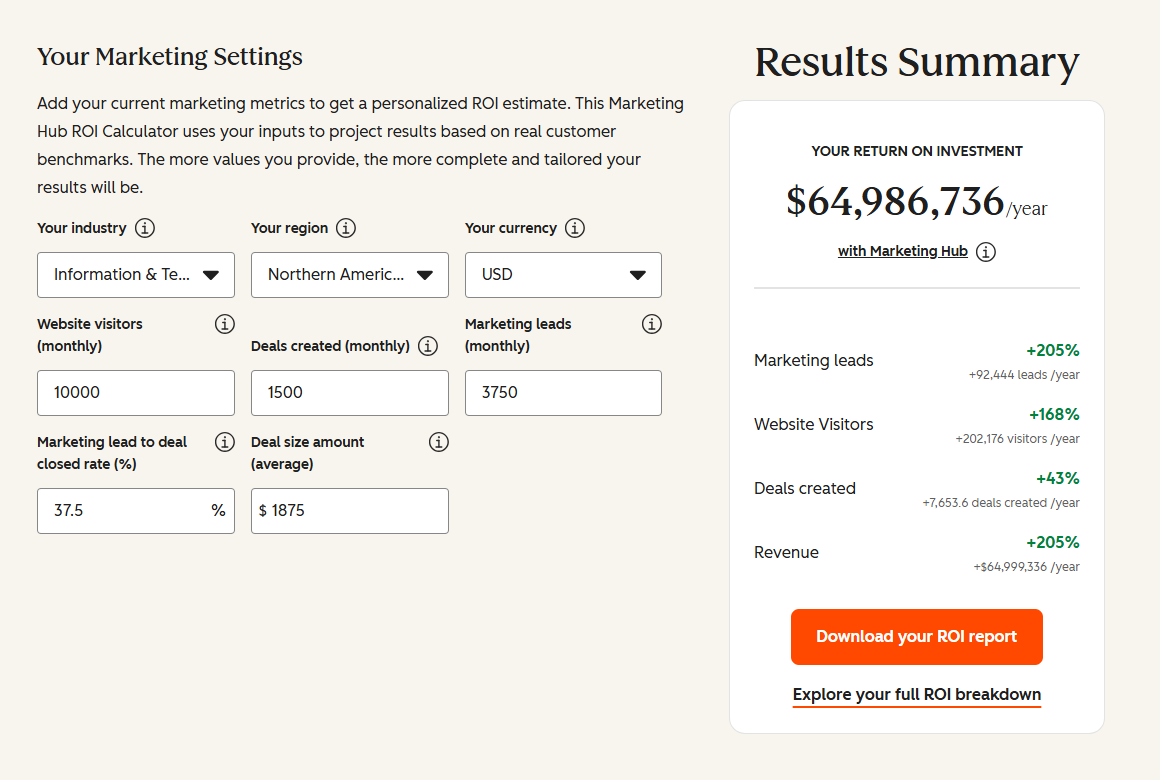
Connect the Rest of Your Care and Marketing Stack
Patient engagement data rarely stands alone. See how Epic fits into the wider picture in our HubSpot healthcare integrations overview, or explore our dedicated healthcare industry work. Getting patient access and call center staff onto the new workflow goes faster with HubSpot training and HubSpot onboarding right after go-live. Not sure what any of this is worth to your team? Run the numbers on our Integration ROI Calculator.

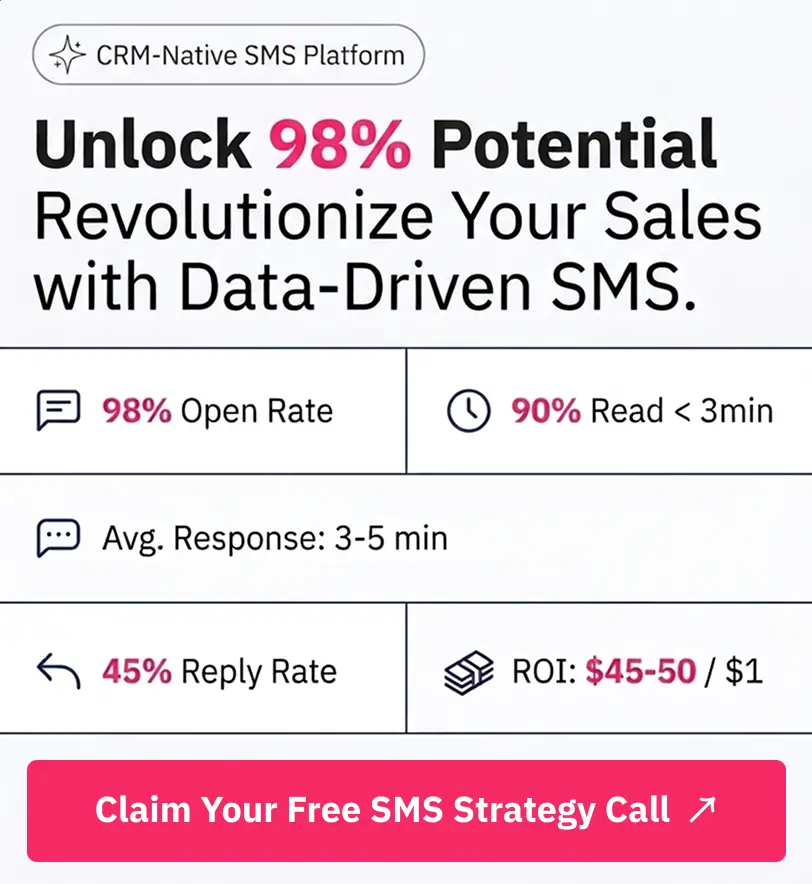
Table of Contents
- What is a HubSpot Epic integration?
- How does the HubSpot Epic integration work?
- Is there a native or marketplace HubSpot app for Epic?
- How long does a HubSpot Epic integration take to build?
- Can HubSpot and Epic sync bi-directionally?
- Is a HubSpot Epic integration HIPAA-compliant?
- How a HubSpot Epic Integration Actually Works
- Three Ways to Connect Epic and HubSpot
- Patient Engagement Workflows You Can Automate Once Epic Data Lives in HubSpot
- What Breaks in a Epic HubSpot Sync, and How We Prevent It
- Implementation Timeline: What to Expect
- Connect the Rest of Your Care and Marketing Stack