












Explore this article with AI:

Free estimator
Know what your HubSpot project costs before the first call.
Select your services and get a transparent price range in minutes. No sales call needed to get a number.
Connect HubSpot to your ERP, billing platform, or database field mapping, custom logic, and support included.
Pipelines, workflows, email templates, and reporting configured for how your team actually works.
Live, role-based sessions with recordings and written guides built around a custom plan for your team.
HubSpot Partner
Client retention
Platforms integrated
Key Takeaways
- Unified Patient Data: Integrating EHRs like Epic and athenahealth with HubSpot breaks down data silos, giving you a 360-degree view of the patient journey.
- HIPAA Compliance: 2026 brings stricter data standards; integrations like NextGen and PatientNow are evolving to ensure secure, compliant data flow.
- Operational Efficiency: Automating appointments (Acuity, Mindbody) and financial workflows (FIS, Brightree) drastically reduces administrative overhead.
- Better Patient Experience: Connected systems allow for personalized, timely communication, reducing no-shows and improving care adherence.
- Revenue Growth: linking clinical data to CRM tools helps track the ROI of patient acquisition campaigns and streamlines revenue cycle management.
The Bigger Picture: Why Healthcare Integration Matters Now
In 2026, the healthcare sector is no longer just about clinical excellence, it’s about the entire patient experience. Patients expect the same seamless digital interactions they get from retail or banking: instant appointment booking, personalized communication, and transparent billing.
However, many healthcare organizations are still crippled by fragmented systems. Your clinical data lives in an EHR, your marketing data in a CRM, and your financial data in a separate ERP. This fragmentation leads to operational inefficiencies, frustrated staff, and, most critically, a disjointed patient experience.
The solution isn’t just “more software”; it’s better integration. By connecting core operational systems from EHRs to scheduling tools directly into HubSpot, healthcare leaders can unlock a unified view of their operations. This isn’t just about saving time; it’s about building a resilient, patient-centric organization that can scale securely in a HIPAA-regulated environment.
Here are the 8 essential HubSpot healthcare integrations that are redefining operations this year.
1. Epic: The Enterprise Standard for Unified Care
For large health systems, Epic is the gold standard of Electronic Health Records (EHR). Integrating Epic with HubSpot is a game-changer for hospital networks looking to modernize patient engagement without compromising clinical rigor.
Why it matters: This integration bridges the gap between clinical history and patient communication. By syncing select patient data (demographics, appointment history) into HubSpot, marketing and service teams can trigger personalized campaigns like post-discharge follow-ups or preventive care reminders based on real clinical triggers, all while maintaining strict HIPAA compliance.
- Best for: Large hospital networks and health systems.
- Key benefit: Creates a “single source of truth” that aligns clinical outcomes with patient engagement strategies.

Turn HubSpot Into A Real-Time SMS Engine with
Message IQ

Two-Way Conversations

Shared Team Inbox

Automation Triggers

Advanced Reporting

Compliance Tools
-
98%
SMS read within 3 min -
78%
Buy from first responder -
21×
More likely to qualify
3–5 min avg response
$45–$50 ROI / $1

*MessageIQ is an IntegrateIQ product – built natively for HubSpot by the same team.
2. athenahealth: Streamlining the Private Practice
athenahealth remains a dominant player for ambulatory and private practices. A robust HubSpot athenahealth integration is essential for clinics that want to automate the busywork of patient acquisition and intake.
What it does:
- Automated Patient Registration: Push new leads from your website directly into athenahealth as new patient records, eliminating manual data entry errors.
- Referral Management: Sync provider details to ensure accurate coordination of care and billing attribution.
- Reduced No-Shows: Trigger SMS or email reminders in HubSpot based on real-time scheduling data from athenahealth.
By syncing appointment outcomes back to HubSpot, practices can also attribute revenue to specific marketing channels, finally answering the question: “Which ads are actually bringing in patients?”
3. NextGen Healthcare: Reliability for High-Volume Clinics
NextGen is widely used in multi-specialty practices. In 2026, the focus for NextGen integrations is often on interoperability and system reliability using tools like Mirth Connect.
Why it stands out: Integrating NextGen with HubSpot often involves advanced “clustering” and alerting features. If one server fails, the integration automatically switches to another to ensure patient data continues to flow without interruption. This reliability is critical for clinics that cannot afford downtime in their patient communication workflows.
- Key Feature: Advanced Alerting that monitors data channels 24/7, ensuring clinical information moves instantly from source to destination.
4. PatientNow: The Aesthetic & Elective Medicine Powerhouse
For plastic surgery, dermatology, and med spas, the HubSpot PatientNow integration is the secret weapon for revenue growth. Unlike general healthcare, elective medicine relies heavily on sales pipelines and lead nurturing.
How it transforms operations:
- Instant Lead Capture: When a lead fills out a form on your site, they are instantly created in PatientNow, alerting the front desk immediately.
- ROI Tracking: Sync revenue data from completed procedures back to the patient’s HubSpot deal. This lets you see exactly which marketing campaigns drove the most profitable treatments.
- Post-Treatment Automation: Automatically enroll patients in “Thank You” or review request workflows after their procedure is marked complete in PatientNow.
5. FIS: The Financial Backbone of Healthcare
While primarily a financial tool, FIS is critical for large healthcare organizations managing complex revenue cycles and patient financing. The HubSpot FIS integration unifies the financial and relationship sides of the business.
The operational edge: Healthcare finance teams can sync account milestones and billing statuses directly to the client’s timeline in HubSpot. This allows relationship managers (or patient financial counselors) to see a holistic view of a patient’s financial health without navigating legacy banking screens. It also enables automated onboarding workflows for new accounts, reducing the time between signature and active service.
6. Brightree: Automating HME and DME Workflows
For Home Medical Equipment (HME) and Durable Medical Equipment (DME) providers, Brightree is the industry standard. Integrating it with HubSpot attacks the specific pain points of inventory and resupply.
Why it’s essential:
- Resupply Automation: Automate contact workflows based on inventory data. When a patient is due for a resupply (e.g., CPAP supplies), HubSpot can trigger a reminder, while Brightree handles the inventory logic.
- Referral Visibility: Track incoming referrals in Brightree and sync them to HubSpot to manage the relationship with referring physicians.
- Documentation: Automate the collection of necessary documentation to ensure claims go out right the first time, reducing denials.
7. Mindbody: The Wellness & Integrative Health Link
As healthcare moves toward holistic wellness, many providers use Mindbody for classes, therapy sessions, and appointments. The integration with HubSpot provides a real-time sync of bookings and memberships.
Key capabilities:
- Membership Management: HubSpot stays updated on membership expiration dates and remaining sessions. You can set up workflows to automatically remind patients to renew or book their remaining visits.
- Family Grouping: Advanced integrations can handle “family accounts” (e.g., a parent booking for a child), ensuring communications go to the right email address without creating duplicate confusion.
- Re-engagement: Automatically target clients who haven’t visited in 60 days with a “We Miss You” offer, directly driven by Mindbody attendance data.
8. Acuity Scheduling: The Agile Booking Solution
For smaller practices, therapists, or specific departments within larger orgs, Acuity offers flexible scheduling that beats clunky enterprise tools. A HubSpot Acuity integration turns every booking into a tracked marketing event.
Operational wins:
- Personalized Routing: Use HubSpot contact data to generate smart booking links that route patients to the correct specialist automatically.
- Intelligent Intake: Pre-populate Acuity forms with known data from HubSpot, reducing friction for the patient and improving conversion rates.
- Deal Creation: Automatically create a deal pipeline item when a consultation is booked, allowing your intake team to track that patient through the admission process.
Things To Watch Out For
Integrating healthcare systems is high-stakes work. Here are the common pitfalls:
- HIPAA Data Exposure: Never sync sensitive medical notes (like therapy session details) into standard text fields. Use HubSpot’s secure sensitive data tools or dedicated “Clinical Objects” to protect PHI.
- One-Way Data Traps: Avoid integrations that only push data to HubSpot. The real value comes from bi-directional syncs that update your EHR when a patient updates their info in a HubSpot form.
- Over-Alerting: In systems like NextGen, setting up too many alerts can cause “alert fatigue” for your staff. Be selective about which notifications trigger an email or task.
- Ignoring “Messy” Data: Duplicate patient records are inevitable. Ensure your integration has logic to handle duplicates (e.g., matching by email AND date of birth) to prevent fragmented care histories.
What Healthcare Ops Leaders Should Do Now
- Audit Your Data Flow: Map out exactly where patient data enters your organization and where it needs to end up. Identify the manual “copy-paste” gaps.
- Define Your “Source of Truth”: Decide which system owns which data point. (e.g., EHR owns “Diagnosis,” HubSpot owns “Email Preference”).
- Review HIPAA Protocols: With 2026 regulations tightening, ensure your integration partner signs a BAA and understands the nuances of field-level security.
- Start Small: Don’t try to integrate everything at once. Start with appointment scheduling (Acuity/Mindbody) or lead intake (PatientNow/athenahealth) to get a quick win before tackling full clinical data syncs.
- Consult an Expert: Healthcare integrations are complex. Working with a partner who understands both the clinical and technical requirements is often safer and faster than building in-house.
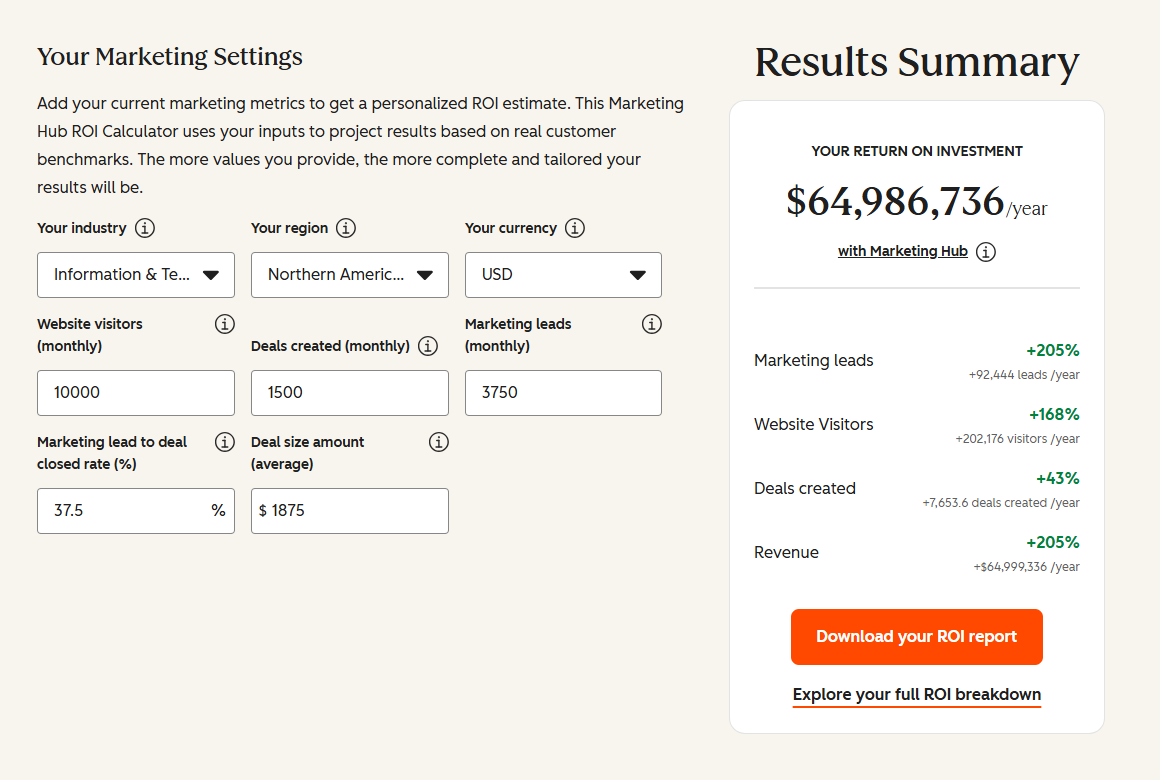
See your 12-month revenue impact with HubSpot CRM
Enter your current numbers — visitors, leads, deal size — and get a personalized projection based on real HubSpot customer benchmarks.
FAQs
Is HubSpot truly HIPAA compliant for healthcare integrations?
Yes, HubSpot offers a sensitive data backend and enterprise-grade security tools. However, compliance is a shared responsibility. You must configure the HubSpot healthcare integration correctly, sign a BAA, and ensure you aren’t storing prohibited data in unsecured fields.
Can I integrate my EHR if it doesn’t have a native HubSpot app?
Absolutely. Most modern EHRs (like Epic or Cerner) use HL7 or FHIR standards, or have open APIs. A custom integration partner can build a secure connector to bridge these systems with HubSpot.
How does integrating Acuity or Mindbody help with patient retention?
These integrations allow you to see who isn’t coming back. By syncing booking data, you can trigger automated re-engagement emails to patients who haven’t had an appointment in 6 months, directly improving retention rates.
Bottom Line
In 2026, the best healthcare organizations are the ones that are the easiest to deal with. By integrating your operational backbone, whether it’s Epic, athenahealth, or Brightree with HubSpot’s engagement engine, you create a patient experience that is efficient, personal, and modern.
The technology to unify your practice exists today. The question is no longer if you should integrate, but how quickly you can execute to gain a competitive advantage.
Schedule Your Integration Consultation

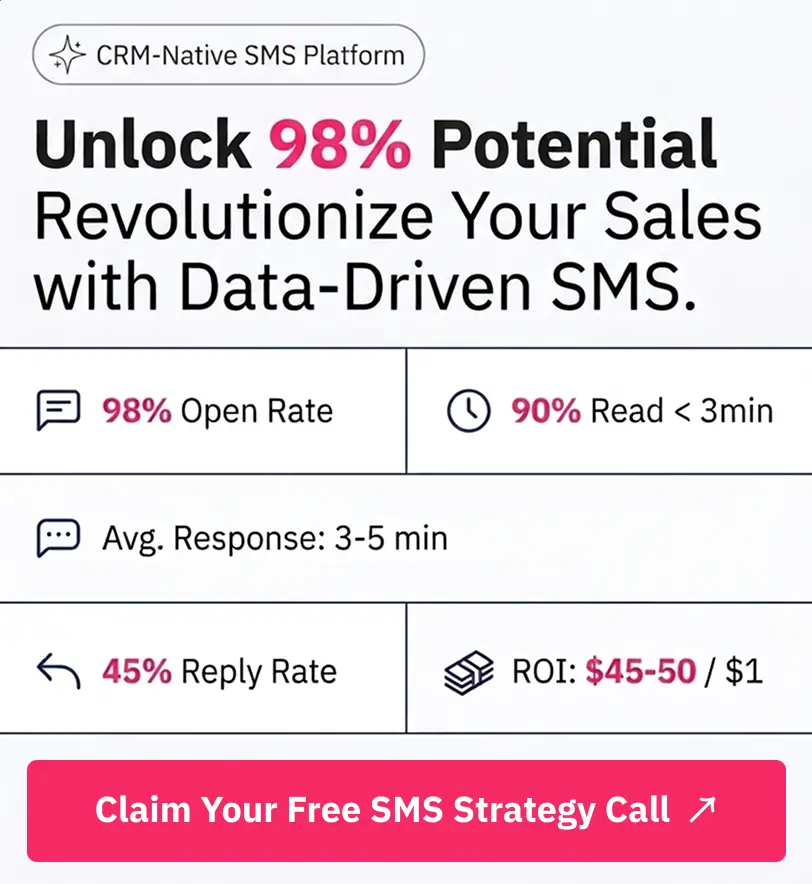
Table of Contents
- Key Takeaways
- 1. Epic: The Enterprise Standard for Unified Care
- 2. athenahealth: Streamlining the Private Practice
- 3. NextGen Healthcare: Reliability for High-Volume Clinics
- 4. PatientNow: The Aesthetic & Elective Medicine Powerhouse
- 5. FIS: The Financial Backbone of Healthcare
- 6. Brightree: Automating HME and DME Workflows
- 7. Mindbody: The Wellness & Integrative Health Link
- 8. Acuity Scheduling: The Agile Booking Solution
- FAQs