














How to Set Up the HubSpot Teamwork Integration (and Automate Your Deal-to-Delivery Handoff)
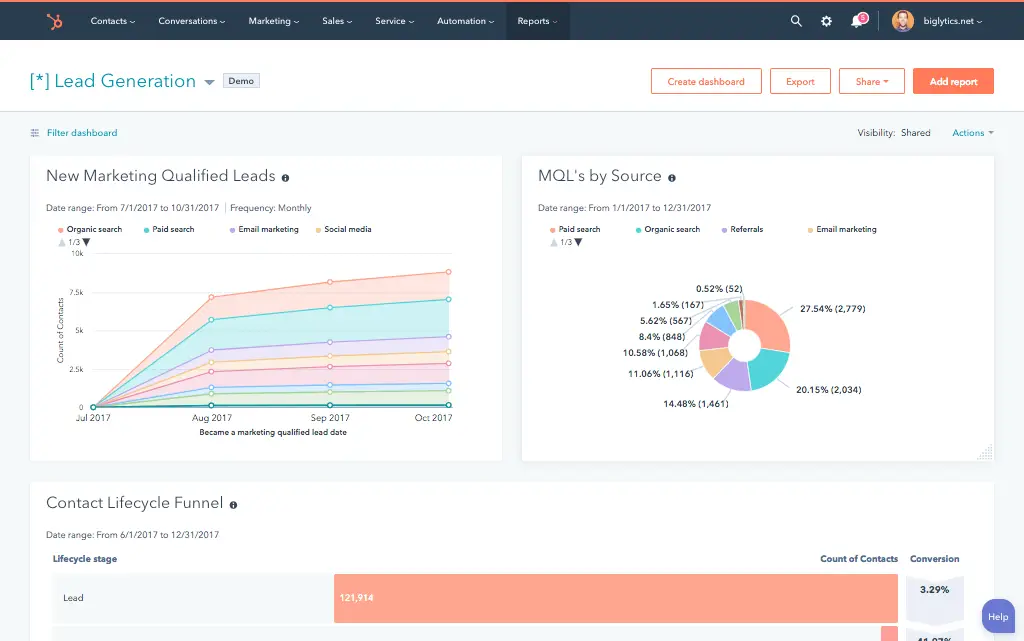
The HubSpot Teamwork integration connects your CRM pipeline directly to your project delivery platform. When a deal closes in HubSpot, your delivery team no longer waits for someone to manually create the project, assign tasks, and send a Slack message. The connection between the two tools handles it automatically.
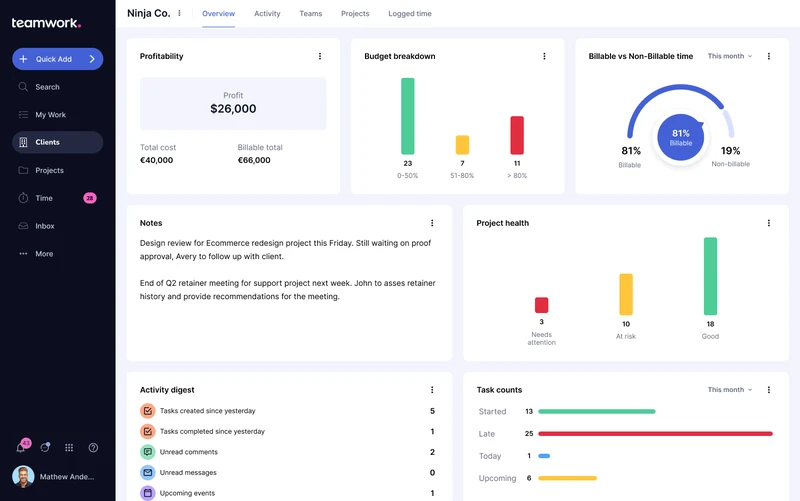
Teamwork.com built a native app for HubSpot that covers a solid range of use cases CRM cards, workflow automations, and project data sync back to deal records.
It works well for teams with straightforward setups. But agencies and professional services firms running high-volume delivery often hit specific ceilings: the Grow plan requirement, the manual Project ID mapping, and the absence of true bi-directional data sync.
We’re Integrate IQ, a HubSpot Diamond Solutions Partner with custom integration accreditation. We’ve built integrations across 300+ platforms including custom CRM-to-project-management connections for agencies that needed more than the native app could deliver. This guide covers both paths.
What the HubSpot Teamwork Integration Does
Four distinct capabilities come with the native Teamwork.com-HubSpot connection. Each one addresses a different part of the sales-to-delivery workflow.
| Capability | What It Does | Available On |
| CRM Cards | Create or link Teamwork tasks, projects, and time logs directly from HubSpot Contact, Company, Deal, or Ticket records | All connected plans |
| HubSpot Workflow Actions | Auto-create Teamwork clients, projects, or tasks when deal stage changes or other HubSpot triggers fire | Grow plan and above |
| Get Project Data Workflow | Pull Teamwork project health, profitability, and custom fields into HubSpot deal properties for unified reporting | Grow plan and above |
| Teamwork Automations | Trigger Teamwork task/project actions (create, update) when HubSpot deal pipeline stage changes | Grow plan and above |
Important: The full integration including workflow actions and project data sync requires a Teamwork.com Grow plan or above. Teams on lower Teamwork tiers can install the app but won’t get access to workflow automation features. Check your plan before investing time in the setup.

Turn HubSpot Into A Real-Time SMS Engine with Message IQ
 Two-Way Conversations
 Shared Team Inbox
 Automation Triggers
 Advanced Reporting
 Compliance Tools
- 98% SMS read within 3 min
- 78% Buy from first responder
- 21× More likely to qualify

*MessageIQ is an IntegrateIQ product – built natively for HubSpot by the same team.
How to Set Up the HubSpot Teamwork Integration (Step-by-Step)
Step 1: Install the App
- Go to HubSpot Marketplace. Click the Marketplace icon in your HubSpot account’s top navigation. Search for ‘Teamwork.com’ and select the app.
- Choose your HubSpot account and review the data scope. Check the agreement box and click Connect app.
- Enter your Teamwork.com credentials in the login screen. Select the Teamwork.com account you want to link. The integration activates for all paid Teamwork users on your site.
Step 2: Use CRM Cards to Create Tasks and Projects from HubSpot
Once connected, a Teamwork.com card appears in the right panel of your HubSpot Deal, Contact, Company, or Ticket records.
- Open a Deal record in HubSpot. Scroll to the Teamwork.com CRM card on the right side panel.
- Click Actions to create a new project from scratch, create from a template, link an existing project, create a new task, link an existing task, or log time.
- Fill in the item details and click Create. The created item appears in the CRM card and links back to your Teamwork.com project automatically.
Permission note: You must be a member of the Teamwork.com project and have ‘add tasks’ permissions to create tasks via HubSpot. Private Teamwork task lists don’t appear in HubSpot’s workflow builder a known limitation that trips up admins expecting to automate against private lists.
Step 3: Automate Project Creation with HubSpot Workflows
This is where the integration earns its place for professional services teams. You can trigger Teamwork project creation automatically when a deal reaches a specific pipeline stage.
- In HubSpot, go to Automation > Workflows. Click Create workflow > From scratch. Select Deal-based.
- Set your trigger: e.g., Deal Stage is ‘Closed Won’.
- Add a workflow action: Scroll to Connected Apps > Teamwork.com Workflows. Select Create Project (from template). Choose the project template you want to use and map the relevant deal properties to project fields.
- Click Review and publish. Turn on the workflow.
From this point, every deal that hits ‘Closed Won’ spins up a templated Teamwork project with task lists, assignees, and timelines pre-populated without anyone lifting a finger.
Step 4: Pull Teamwork Project Data into HubSpot Deal Properties
The ‘Get Project Data’ workflow lets you surface Teamwork project health, completion status, and profitability directly on the HubSpot deal record. The setup requires a few extra steps.
- Create custom deal properties in HubSpot for each Teamwork field you want to sync for example, ‘Project Health’, ‘Project Profitability’, ‘Project ID’. Go to Settings > Data Management > Properties > Create property. Set object type to Deal.
- Get the Project ID from Teamwork. Open the project in Teamwork.com. The Project ID is in the URL: e.g., yoursitename.teamwork.com/app/tasklists/1939470/list the ID is 1939470.
- Paste the Project ID into the HubSpot deal record in the custom Project ID property you created.
- Build a HubSpot workflow triggered by ‘Project ID is known’. Add the Teamwork.com ‘Get Project Data’ action. Map the output values to your custom deal properties using ‘Copy property value’ actions.
Limitation: The Project ID must be manually entered on each deal. There’s no auto-population. For teams managing dozens of projects a month, this manual step becomes a bottleneck. It’s the single most common reason agencies move to a custom integration.
What the Native Integration Cannot Do
| Limitation | Impact |
| Grow plan required | Teams on lower Teamwork tiers can’t use workflow automation or project data sync the two most valuable features |
| Manual Project ID entry | No automatic linking between HubSpot deals and Teamwork projects someone has to copy/paste IDs for the Get Project Data sync to work |
| Private task lists blocked | Private Teamwork task lists can’t be selected in HubSpot’s workflow builder, forcing teams to make lists public or restructure their Teamwork setup |
| No contact/company data sync | The integration doesn’t sync HubSpot contact or company data to Teamwork client records you can link objects, but there’s no live data sync |
| No custom field mapping depth | You can map deal properties to project fields via workflow, but complex multi-field or conditional mapping isn’t possible natively |
Use Cases for Agencies and Professional Services Firms
Deal Close Triggers Template-Based Project Creation
A digital agency closes a website build deal in HubSpot. The workflow fires: a Teamwork project spins up from the ‘Website Build’ template complete with task lists for discovery, design, development, and QA, with team members pre-assigned based on the service type on the deal. The project manager gets notified. The client receives an onboarding email from HubSpot. No manual handoff. For agencies running 15-20 new projects a month, this automation alone saves 3-5 hours per week of project setup time.
Time Logging Linked to Client Billing
Account managers at a managed services firm log time directly to Teamwork.com projects from within HubSpot deal records using the CRM card. When the Teamwork project data syncs to HubSpot via the Get Project Data workflow, the deal record shows current billable hours alongside the original deal value giving finance and account teams a live view of profitability per client without switching tools.
Client Onboarding Sequence Triggered by Deal Stage
When a professional services deal moves to ‘Contract Signed’, a HubSpot workflow creates a Teamwork onboarding project from a template, enrolls the contact in a HubSpot onboarding email sequence, and assigns a kickoff task to the account manager all without manual intervention. The client experiences a fast, consistent onboarding every time.
See your 12-month revenue impact with HubSpot CRM
Enter your current numbers — visitors, leads, deal size — and get a personalized projection based on real HubSpot customer benchmarks.
Calculate My ROI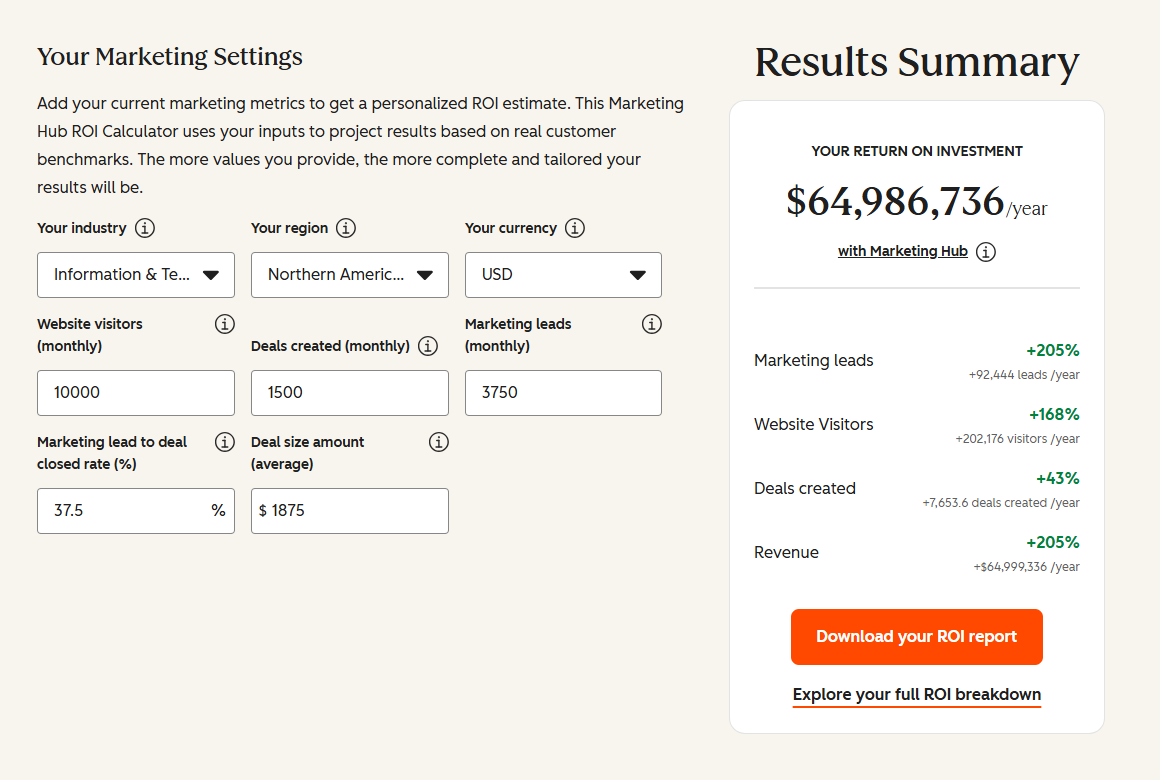
What to Expect from a Custom HubSpot Teamwork Build
When teams outgrow the native connector usually because of the Project ID bottleneck, the need for automatic deal-to-project linking, or complex template logic a custom integration on the Teamwork API and HubSpot API solves it cleanly.
- Weeks 1-2: Discovery. Map which HubSpot deal properties need to create which Teamwork project fields. Define project template selection logic e.g., ‘if deal type = Retainer, use the Monthly Retainer template; if deal type = Project, use the Fixed-Scope template’.
- Weeks 3-4: API Build and Sandbox. Build the deal-close trigger, template selection logic, and project creation against Teamwork’s API. Test against real deal data shapes.
- Weeks 5-6: UAT. Your project management lead and ops team validate that projects are created correctly, fields map as expected, and the Get Project Data sync populates deal properties automatically.
- Weeks 7-8: Go-Live and Monitoring. Production deployment with active monitoring included. No surprise invoices for post-launch sync issues.
We’ve processed over 20 billion records annually across 300+ platform integrations. See how our integration process works.
For teams also evaluating HubSpot Asana integration, HubSpot Monday.com integration, or HubSpot Jira integration, we scope those the same way.


Table of Contents
- How to Set Up the HubSpot Teamwork Integration (and Automate Your Deal-to-Delivery Handoff)
- What the HubSpot Teamwork Integration Does
- How to Set Up the HubSpot Teamwork Integration (Step-by-Step)
- What the Native Integration Cannot Do
- Use Cases for Agencies and Professional Services Firms
- What to Expect from a Custom HubSpot Teamwork Build