





























What is a HubSpot athenahealth integration?
A HubSpot athenahealth integration is a data connection that syncs patient demographics, appointment records, referring provider details and billing triggers between HubSpot and athenahealth. It keeps patient acquisition data visible to marketing and front-desk teams while athenahealth stays the system of record for clinical and scheduling data.
How does the HubSpot athenahealth integration work?
It connects through athenaOne’s API, which is standardizing on FHIR R4 resources under the ONC’s HTI-1 rule, using OAuth2-secured REST endpoints. A middleware layer maps FHIR resources to HubSpot contact properties, syncing changes in near real time or on a schedule with field-level rules controlling which system owns which data.

Turn HubSpot Into A Real-Time SMS Engine with Message IQ
 Two-Way Conversations
 Shared Team Inbox
 Automation Triggers
 Advanced Reporting
 Compliance Tools
- 98% SMS read within 3 min
- 78% Buy from first responder
- 21× More likely to qualify

*MessageIQ is an IntegrateIQ product – built natively for HubSpot by the same team.
Does HubSpot have a native athenahealth integration?
No native or publicly documented connector exists between HubSpot and athenahealth. Most practices connect through Zapier or Make, which handle simple triggers but struggle with PHI compliance and break when athenaOne’s API changes. Practices with multi-location or custom data needs typically move to a custom-built integration instead.
How long does a HubSpot athenahealth integration take to build?
A custom HubSpot athenahealth integration takes about 8 weeks from kickoff to production. Discovery runs two weeks, build and staging tests run three, historical patient and appointment backfill runs one, and cutover with hypercare covers the final two weeks. Multi-location practices can extend this timeline.
Can HubSpot and athenahealth sync bi-directionally?
Yes. Bi-directional sync is standard in a custom build: patient demographics and appointment status flow from athenahealth to HubSpot, while web form submissions and lifecycle stage changes flow back for scheduling and intake. Zapier-based connections typically only support one-way sync reliably.
What data can sync between HubSpot and athenahealth?
Patient demographics, appointment status (scheduled, confirmed, cancelled, no-show), referring provider and insurer details, provider assignments, and billing triggers. On the HubSpot side, form submissions and marketing engagement flow back. PHI fields are limited to what the sync configuration explicitly permits.
How a HubSpot athenahealth Integration Actually Works
athenahealth stays the system of record for clinical data, scheduling, and diagnosis codes. HubSpot stays the system of record for marketing engagement, lifecycle stage, and email preference. The integration connects to athenaOne’s API, which is standardizing on FHIR R4 resources under the ONC’s HTI-1 rule, through OAuth2-secured REST endpoints.
When a patient’s appointment status changes in athenahealth, that update writes to the HubSpot contact within minutes, either confirming a visit or triggering a rebooking flow after a cancellation. When a prospective patient fills out a form on the website, that lead flows into athenahealth as a new or updated patient record, ready for scheduling and verification.
Field-level rules decide what actually crosses the boundary. Diagnosis and clinical documentation stay in athenahealth. Only the fields the practice explicitly configures, demographics, appointment status, referral source, cross into HubSpot, and every field that carries PHI runs under a signed BAA.
Three Ways to Connect athenahealth and HubSpot
Not every team needs custom. Here is the honest comparison.
| Factor | Native Marketplace App | Zapier / iPaaS | Custom (Integrate IQ) |
|---|---|---|---|
| Best for | Does not exist. No native or published HubSpot-athenahealth app. | Single-practice teams automating one trigger, like a form-to-patient-record push | Multi-location practices with custom fields, PHI handling rules, and referral workflows |
| Sync direction | N/A | One-way per Zap, stitched together for basic flows | True bi-directional, field-level system of record |
| Custom objects/fields | N/A | Limited, breaks when athenaOne’s API or FHIR resources change | Full support for departments, referring providers, and custom intake fields |
| Patient and appointment sync | N/A, would require a third-party build regardless | Manual field mapping per appointment status (scheduled, confirmed, cancelled, no-show) | Structured mapping across all appointment states and encounter types |
| Business logic | N/A | Basic if-this-then-that only | Your source-of-truth rules: EHR owns diagnosis, HubSpot owns email preference |
| Volume handling | N/A | Rate limits hit fast across multi-location practices | Built for high patient volume across locations without lag |
| Historical backfill | N/A | Manual, one record at a time | Full historical patient and appointment backfill included |
| Maintenance | N/A | Breaks quietly on API changes, and the BAA obligations for PHI often get skipped | We monitor it and maintain the BAA-covered data flow as part of the build |
If you run a single location, sync only basic demographics, and don’t need PHI fields in HubSpot, a Zapier or Make automation can work as a starting point, provided it operates under a signed BAA. Once you have multiple locations, referral tracking, or need appointment status flowing back reliably, a customHubSpot integration is the more durable and compliant route.
Patient Acquisition Workflows You Can Automate Once athenahealth Data Lives in HubSpot
- Last-minute cancellation fill. An appointment cancels inside 48 hours in athenahealth, HubSpot instantly messages a waitlist segment for that provider and time slot, and the front desk fills the gap without making outbound calls.
- Insurance and referral verification alert. A referring practice or insurer field updates on a new patient in athenahealth, HubSpot creates a task for the billing team to confirm coverage, and the visit doesn’t get scheduled on unverified insurance.
- Care-gap outreach. Encounter data shows a patient missed a recommended annual screening, HubSpot enrolls them in a care-gap reminder sequence, and the reminder stops automatically once the visit is booked in athenahealth.
- New-location awareness campaign. A patient’s address matches the service area of a newly opened location, HubSpot triggers a location-specific awareness campaign, and the appointment books at the closer facility instead of the original one.
- Referring-provider loyalty program. Referral volume from a specific practice is tracked in HubSpot, and top referring providers automatically receive a quarterly update on patient outcomes and capacity, keeping the referral relationship active.
What Breaks in a athenahealth HubSpot Sync, and How We Prevent It
- Duplicate records and identity resolution. Patients are matched on more than email since shared family addresses and guardian-managed accounts are common in practice data. We build matching logic that checks patient ID and demographics together, not just one field.
- System-of-record conflicts. We define, field by field, whether athenahealth or HubSpot owns the value. Clinical fields like diagnosis stay owned by athenahealth; marketing fields like email preference stay owned by HubSpot, so neither system silently overwrites the other.
- Appointment status drift. Scheduled, confirmed, cancelled, and no-show values don’t always map cleanly between systems. We build the status mapping explicitly so a cancelled appointment doesn’t still trigger a reminder sequence in HubSpot.
- HIPAA scope creep on middleware. Zapier and Make require their own signed BAA before PHI passes through them, and teams often skip that step. We scope the sync to limit which fields carry PHI and keep the data flow under a proper BAA from day one.
- API rate limits at volume. Multi-location practices push high appointment and patient volume through the sync at once. Across our client base we move 20 billion plus fields annually, so we batch, checkpoint, and throttle by design instead of by accident.
Implementation Timeline: What to Expect
Most HubSpot athenahealth integrations complete inside eight weeks of kickoff. The first two weeks cover discovery: patient and appointment object inventory in both systems, field-by-field mapping, system of record decisions, and a review of which fields carry PHI and need BAA coverage. Weeks three to five are build and unit testing against a staging athenahealth instance and a HubSpot sandbox. Week six runs the historical patient and appointment backfill and reconciliation. Weeks seven and eight cover user acceptance testing, cutover, and hypercare. Post-launch monitoring is included, so if athenaOne’s API or FHIR resources update, we see it before your reports do. Full detail is on our HubSpot integration process page and 98.5% of clients renew for a follow-on scope.
See your 12-month revenue impact with HubSpot CRM
Enter your current numbers — visitors, leads, deal size — and get a personalized projection based on real HubSpot customer benchmarks.
Calculate My ROI
Connect the Rest of Your Revenue Stack
athenahealth rarely runs alone in a practice’s stack. Larger health systems often run Salesforce Health Cloud alongside athenahealth for case management, which our HubSpot Salesforce integration connects to HubSpot. Multi-location practices consolidating finance across sites pair HubSpot with NetSuite while smaller practices handle billing through QuickBooks . Health systems doing patient acquisition analytics at scale sync everything into a warehouse first through our HubSpot Snowflake integration . For a broader look at connecting clinical systems to HubSpot, see our guide to HubSpot healthcare integrations .

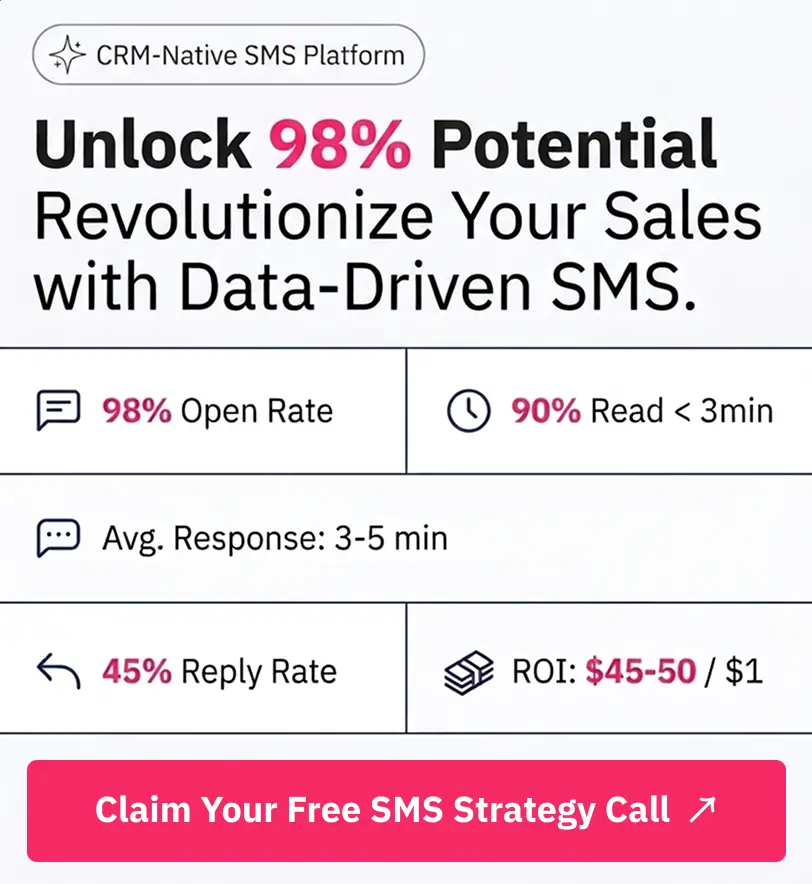
Table of Contents
- What is a HubSpot athenahealth integration?
- How does the HubSpot athenahealth integration work?
- Does HubSpot have a native athenahealth integration?
- How long does a HubSpot athenahealth integration take to build?
- Can HubSpot and athenahealth sync bi-directionally?
- What data can sync between HubSpot and athenahealth?
- How a HubSpot athenahealth Integration Actually Works
- Three Ways to Connect athenahealth and HubSpot
- Patient Acquisition Workflows You Can Automate Once athenahealth Data Lives in HubSpot
- What Breaks in a athenahealth HubSpot Sync, and How We Prevent It
- Implementation Timeline: What to Expect
- Connect the Rest of Your Revenue Stack