






































What is a HubSpot Dialpad integration?
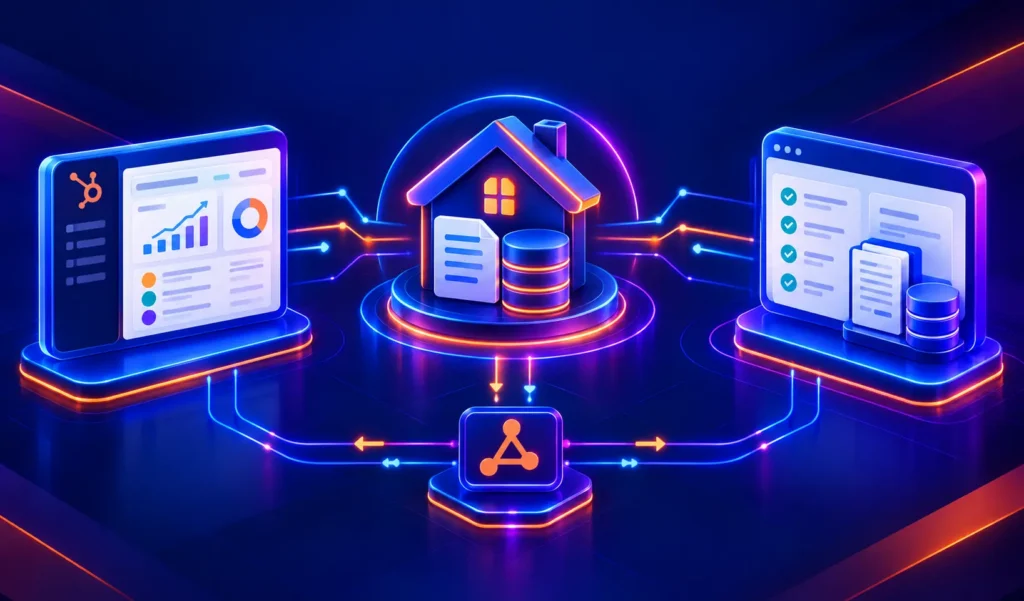
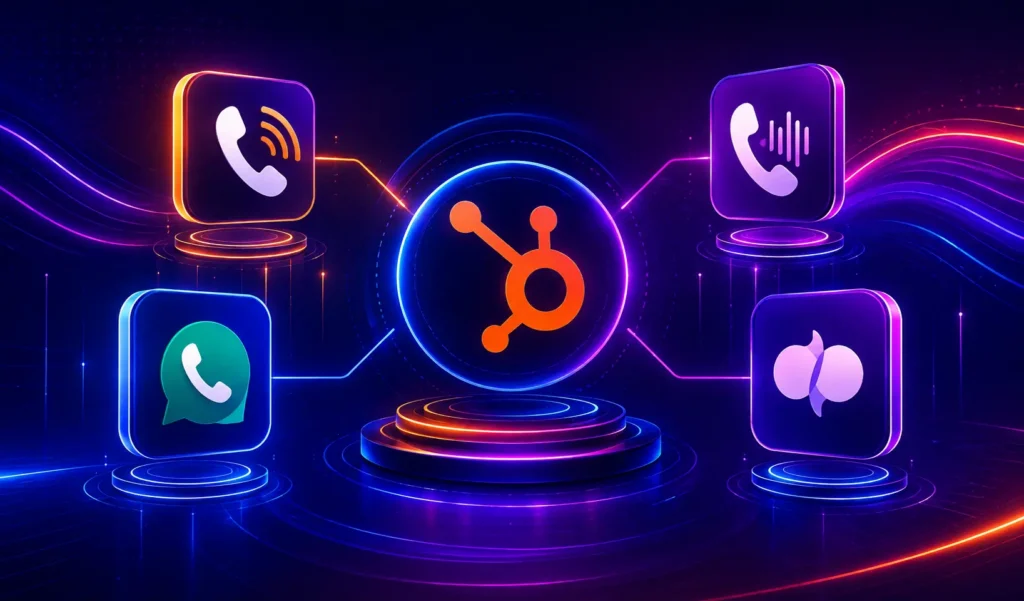
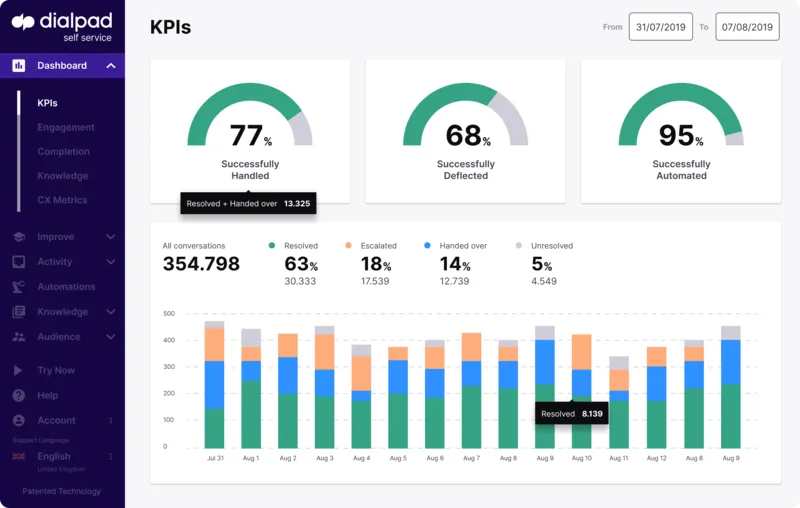
A HubSpot Dialpad integration connects your cloud phone and messaging platform to your CRM, syncing calls, SMS, recordings, transcripts, and sentiment data so sales and support teams have full conversation context without leaving HubSpot.
How does the HubSpot Dialpad integration work?
The integration maps Dialpad contacts, calls and dispositions to HubSpot contacts, deals, and engagements. Calls log automatically to the matched contact’s timeline while HubSpot contact and deal data can appear in the Dialpad sidebar during a live call.

Turn HubSpot Into A Real-Time SMS Engine with Message IQ
 Two-Way Conversations
 Shared Team Inbox
 Automation Triggers
 Advanced Reporting
 Compliance Tools
- 98% SMS read within 3 min
- 78% Buy from first responder
- 21× More likely to qualify

*MessageIQ is an IntegrateIQ product – built natively for HubSpot by the same team.
Does HubSpot’s native Outcome field update automatically from Dialpad dispositions?
No. Dialpad’s own documentation confirms that HubSpot’s native Outcome field does not automatically update based on the disposition selected in Dialpad; reps have to manually select the Outcome separately when logging a call, creating a double-entry step the two systems don’t reconcile on their own.
What plan do you need for Dialpad’s native HubSpot integration?
Dialpad’s native HubSpot integration requires a Dialpad Support, Sell or Connect plan, with Connect users needing the Pro or Enterprise tier specifically. Some reliability features, like guaranteed uptime, require an additional upgrade beyond the base integration.
How long does a HubSpot Dialpad integration take to build?
A custom HubSpot Dialpad integration typically takes 6 to 8 weeks: 1 to 2 weeks of discovery and disposition mapping, 3 weeks of build and staging, and the remaining weeks for testing and go-live support.
Does Dialpad’s new Agentic AI feature update HubSpot automatically?
Dialpad recently launched an Agentic AI integration that lets AI agents autonomously create and update HubSpot contacts, companies and deals during a call. It’s a genuinely new capability, and most teams still want governance rules around which fields AI can touch autonomously versus which changes need human confirmation, which is where a custom integration adds guardrails the out-of-the-box feature doesn’t include.
How a HubSpot Dialpad Integration Actually Works
A HubSpot Dialpad integration works by treating Dialpad as the source of truth for call and communication activity, while HubSpot becomes the system where that activity turns into pipeline and support action, filling the specific gaps the native app leaves open.
On the Dialpad-to-HubSpot side, calls, SMS, recordings and dispositions log to the correct record automatically, and custom logic can route that data to HubSpot’s Outcome field or any custom object the native integration doesn’t reach.
On the HubSpot-to-Dialpad side, contact and deal context feeds the Dialpad sidebar during a live call, and governance rules can control what Dialpad’s Agentic AI is allowed to update autonomously versus what needs human review.
Three Ways to Connect Dialpad and HubSpot
Not every team needs custom. Here is the honest comparison.
| Factor | Native Dialpad App | Zapier / iPaaS | Custom (Integrate IQ) |
|---|---|---|---|
| Best for | Standard sales and support teams on qualifying Dialpad and HubSpot plans | Simple one-way trigger automation | Teams needing accurate disposition mapping, tier independence, or AI governance |
| Disposition-to-Outcome mapping | Not supported, per Dialpad’s own documentation | Not supported | Built in, disposition maps directly to HubSpot’s Outcome field |
| Plan / tier requirements | Requires Dialpad Support, Sell, or Connect Pro/Enterprise; extra tiers for reliability features | No Dialpad tier lock, but Zapier task limits apply | No forced Dialpad tier upgrade required |
| Sync direction | Mostly one-way call logging, limited two-way | One-way per trigger | True bi-directional, configurable per object |
| Business logic | Fixed within Dialpad’s settings | Basic conditional logic | Custom rules, e.g. AI governance guardrails, multi-location routing |
| Volume handling | Built for standard call volume | Task limits and throttling at scale | Built for high-volume, multi-location contact centers |
| Maintenance | Vendor-managed; some reported reliability issues | You manage it | Monitored, maintained, and supported |
If your reps are comfortable manually reconciling the Outcome field after every call and you’re already on a qualifying Dialpad plan, the native integration covers the basics. Once disposition-to-Outcome mapping, plan-tier independence, or governance around Dialpad’s new Agentic AI features matter, a custom integration is what closes those gaps.
RevOps Workflows You Can Automate Once Dialpad Data Lives in HubSpot
- Outcome Field Auto-Population from Dialpad Disposition. Since HubSpot’s native Outcome field doesn’t automatically update from Dialpad’s disposition selection, a custom integration maps your actual disposition list to the HubSpot Outcome field automatically, eliminating the manual double-entry step reps currently have to do.
- Agentic AI Guardrails for Autonomous Deal Updates. As Dialpad’s new Agentic AI capability lets AI agents autonomously update HubSpot deals and contacts, a custom integration can add governance rules, which fields AI can touch, which deal stages require human confirmation, so autonomous updates don’t create unreviewed changes to revenue-critical records.
- Multi-Location Call Routing Intelligence. For businesses running multiple Dialpad locations or departments, HubSpot routes call follow-up tasks to the correct regional or department team automatically, based on which Dialpad number or location took the call.
- Internal Call Coaching Visibility Despite Exclusion. Since Dialpad-to-HubSpot logging automatically excludes calls between users at the same company, a custom integration can still route true internal coaching calls into a separate coaching log, distinct from the customer-facing timeline, so that visibility isn’t lost entirely.
- Sync Health Monitoring Dashboard. Given real user reports of contact-sync reliability issues with the native integration, a custom build includes its own sync health monitoring and alerting, so a failed sync gets caught and fixed before a rep works from stale data, rather than relying on Dialpad’s own uptime tier.
What Breaks in a Dialpad HubSpot Sync, and How We Prevent It
- Duplicate records and identity resolution. Dialpad matches contacts by phone number, email, or name; a caller using a different number than what’s on file can create duplicate HubSpot contacts. We match on multiple stable identifiers and existing associations, not a single field.
- System-of-record conflicts. A rep may manually log a disposition in Dialpad while also updating the HubSpot deal stage separately, creating two different, possibly conflicting, records of the same call outcome. We define clear field ownership so the two don’t drift apart.
- Field mapping and disposition drift. Dialpad’s disposition and outcome codes are custom per account and, per Dialpad’s own documentation, don’t automatically map to HubSpot’s native Outcome field at all. We build that mapping explicitly rather than leaving reps to manually reconcile two separate outcome fields.
- Plan-tier gating and reliability variance. Dialpad’s native HubSpot integration requires a Support, Sell, or Connect Pro/Enterprise plan, with add-on tiers required for reliability features like guaranteed uptime, and real users have reported contact-sync reliability issues on the native connector. We build with our own sync monitoring so reliability isn’t dependent on which Dialpad tier you’re on.
- API rate limits at high call volume. High-volume sales and support lines logging thousands of daily calls, SMS, and AI transcripts can hit API limits during sync. Across 300+ platform integrations moving 20 billion plus fields annually, we batch and throttle high-volume syncs by design, not by accident.
Implementation Timeline: What to Expect
Most HubSpot Dialpad integrations ship in 6 to 8 weeks. The first 1 to 2 weeks cover discovery and disposition mapping, including which call flows and codes matter for reporting. The next 3 weeks cover build and staging. The final weeks cover testing, cutover, and hypercare support. Our HubSpot integration process is the same repeatable framework behind our 98.5% client retention rate.
See your 12-month revenue impact with HubSpot CRM
Enter your current numbers — visitors, leads, deal size — and get a personalized projection based on real HubSpot customer benchmarks.
Calculate My ROI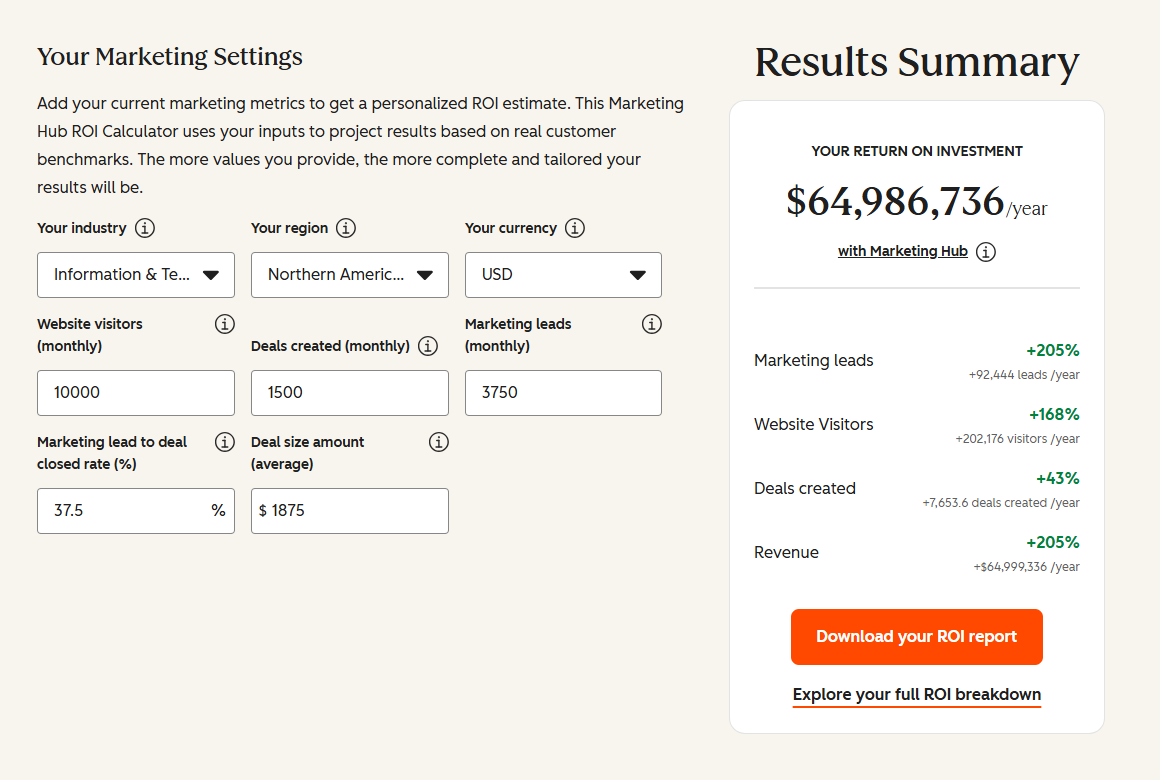
Connect the Rest of Your Revenue Stack
Call and communication data rarely stands alone. Staffing and recruiting teams running high call volume often pair this with our recruiting and staffing industry work. SMS-heavy workflows work well alongside Message IQ, our own HubSpot SMS solution. Custom disposition mapping or AI governance logic beyond the standard build often needs full-stack development support. Getting reps and managers onto the new workflow goes faster with HubSpot training. Not sure what any of this is worth to your team? Run the numbers on our Integration ROI Calculator.

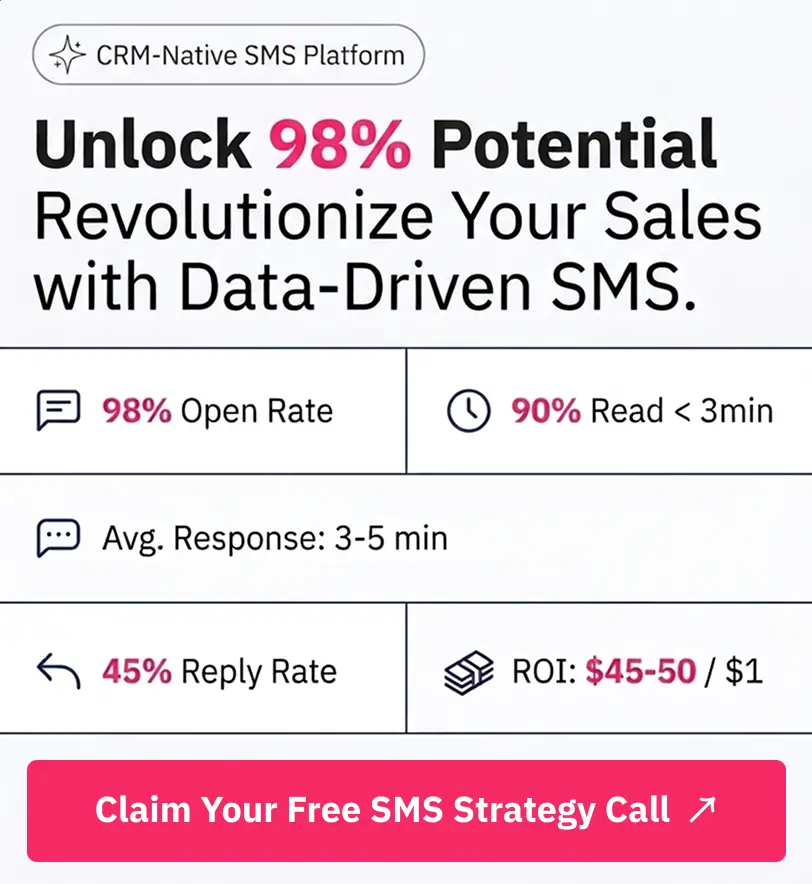
Table of Contents
- What is a HubSpot Dialpad integration?
- How does the HubSpot Dialpad integration work?
- Does HubSpot’s native Outcome field update automatically from Dialpad dispositions?
- What plan do you need for Dialpad’s native HubSpot integration?
- How long does a HubSpot Dialpad integration take to build?
- Does Dialpad’s new Agentic AI feature update HubSpot automatically?
- How a HubSpot Dialpad Integration Actually Works
- Three Ways to Connect Dialpad and HubSpot
- RevOps Workflows You Can Automate Once Dialpad Data Lives in HubSpot
- What Breaks in a Dialpad HubSpot Sync, and How We Prevent It
- Implementation Timeline: What to Expect
- Connect the Rest of Your Revenue Stack