Priced to your real scope
Two objects or twelve. One-way or two-way. Pricing scales with the actual work, never a flat-fee package padded for the average customer.
From $3,450 setup
HubSpot Diamond Solutions Partner
Fragmented data kills growth velocity. When your marketing automation and CRM operate in isolation, you lose visibility into the customer journey. Our enterprise-grade HubSpot Dynamics 365 integration transforms disjointed platforms into a unified revenue engine, establishing a single source of truth that aligns GTM teams and validates marketing ROI.

Discover how top companies use their CRM to power marketing, sales & growth. No spam. No sales pitch. Just expert insights from certified HubSpot professionals.
HubSpot’s app marketplace covers templated connections. ERPs, custom objects, legacy databases, and real-time bi-directional sync at scale are where we live. Every estimate below is scoped by Diamond Partner engineers who’ve already shipped your edge case.
Two objects or twelve. One-way or two-way. Pricing scales with the actual work, never a flat-fee package padded for the average customer.
From $3,450 setupThe senior engineers scoping your build are the same ones writing the field mappings, custom logic, and error handling. That’s why 98.5% of clients stay past year one.
98.5% client retentionERPs, billing platforms, legacy CRMs, custom databases — the data transformation patterns your team would burn weeks figuring out, we’ve already shipped to production.
300+ platforms · 20B+ fieldsOne-way or two-way, built to your data flow
Every property mapped, validated, tested
Instant triggers and batched syncs together
Your business rules, written into the build
Monitoring, alerts, retry logic baked in
License, maintenance, ongoing support
60-second ballpark · 30-minute call for firm pricing · No back-and-forth
Stop forcing your sales team to toggle between systems. A robust HubSpot to Microsoft dynamics data flow delivers actionable intelligence directly into the hands of your account executives, turning raw data into closing context.
Holistic Customer Journeys: Embed the full history of marketing touchpoints from initial web visit to whitepaper download directly within the Dynamics 365 lead record.
Prioritize High-Intent Leads: Sync Marketing Qualified Leads (MQLs) and proprietary lead scores instantly, ensuring sales reps focus strictly on prospects demonstrating buying intent.
Real-Time Intelligence: Push website activity, email engagement, and form submissions to the CRM the moment they occur, allowing for timely, context-rich outreach.
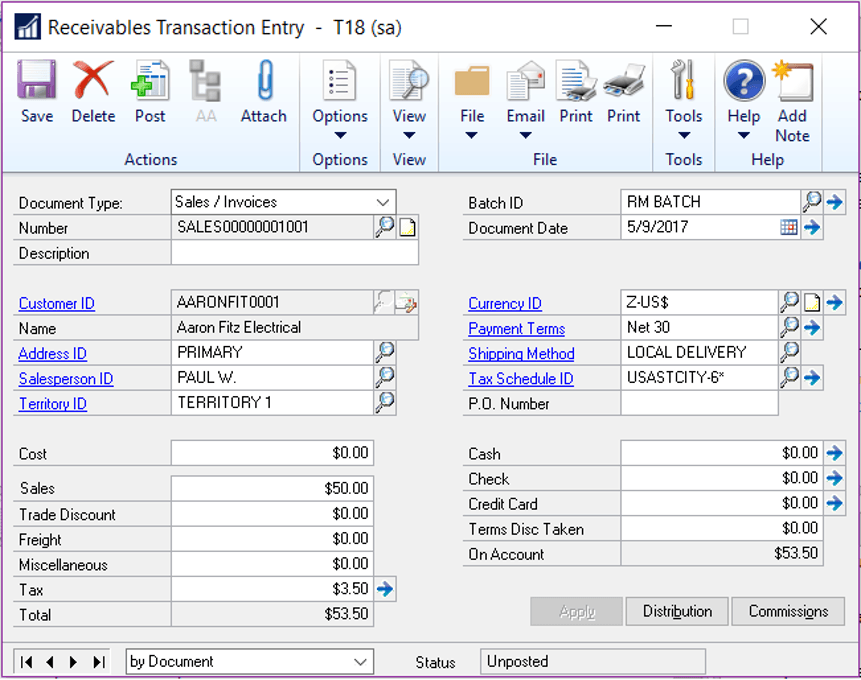
Stop forcing your sales team to toggle between systems. A robust HubSpot to Microsoft dynamics data flow delivers actionable intelligence directly into the hands of your account executives, turning raw data into closing context.


Integrate IQ has consistently shown they can be trusted with even the most complex projects. I know our customers are in great hands and that the job will always get done right.
Marketing needs to know what drives revenue, not just leads. By deploying a deep HubSpot integration with dynamics 365, you complete the feedback loop. We sync closed-won deal data back to HubSpot, empowering your marketing team to optimize for revenue, not just volume.
Multi-Touch Revenue Attribution: Definitively attribute closed revenue to specific campaigns and channels, proving marketing’s impact on the bottom line.
Pipeline Velocity Analysis: Identify friction points where leads stall between MQL and Opportunity stages, allowing you to refine nurture sequences based on real CRM data.
Precision Segmentation: Build hyper-targeted marketing lists in HubSpot using rich purchase data and contract details synced directly from Dynamics 365.
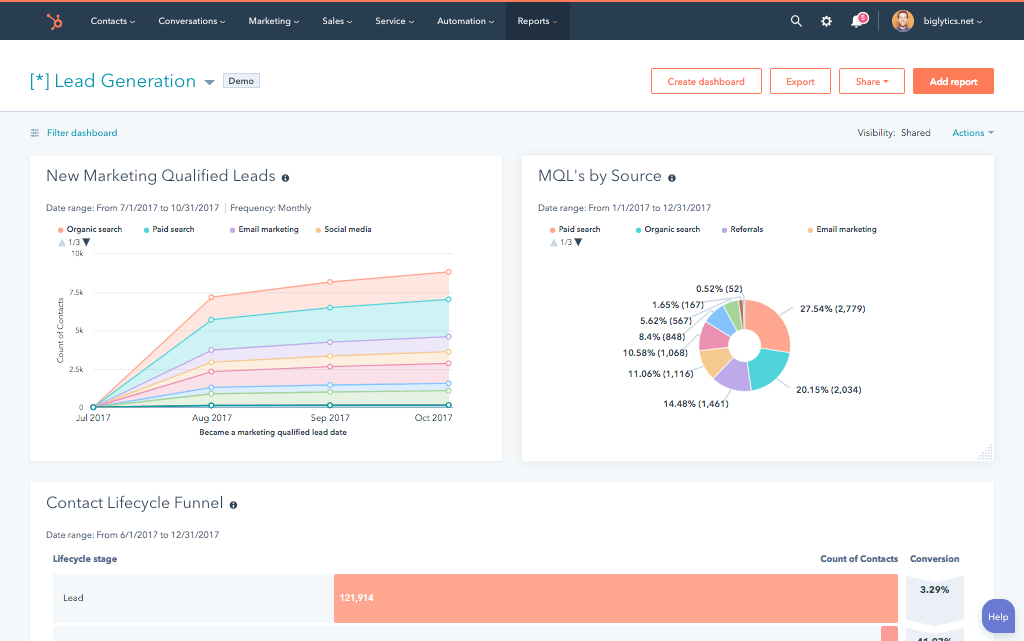
Marketing needs to know what drives revenue, not just leads. By deploying a deep HubSpot integration with dynamics 365, you complete the feedback loop. We sync closed-won deal data back to HubSpot, empowering your marketing team to optimize for revenue, not just volume.
Whether you want data to flow in real time or under certain circumstances, we can build the sync to fit your exact needs.
Generic connectors force you into rigid data models that break under enterprise complexity. Our HubSpot Microsoft dynamics integration is architected to adapt to your business logic, handling custom objects and complex routing rules without compromise.
We map standard and custom objects to ensure zero data loss during transfer.
No surprises. Clear scope, clear acceptance tests. We believe in straightforward pricing so you know exactly what to expect before we begin.
A failed integration is more than a technical problem; it's a drain on time, budget, and morale. We are the specialists that leading companies like MetLife trust to handle their most mission-critical data flows. We don't rely on fragile connectors or simplistic platforms because we know they can't handle enterprise scale. Our approach is built on robust, custom development and a deep understanding of both HubSpot and the systems you need to connect it to. Partnering with us isn't just another attempt; it's an investment in certainty.
Our four pillars for delivering successful outcomes on complex projects.
We thrive on custom API integrations, multi-system migrations, and "messy data" that makes others pause. Full support for standard and custom objects across your stack is table stakes here.
Real problems, shipped solutions. Our proprietary Smart Ramp apps were developed to solve real-world customer problems. The same practical mindset powers our HubSpot AI Accelerator: We focus on data readiness and shipped outcomes, not shiny features.
Complex projects demand clarity. Our Smart Process runs on an 8-12 week cadence with stage gates, transparent deliverables, and clear pricing. That's how we keep a 98.5% retention rate.
We're a developer-led team of integration engineers, solution architects, and technical PMs. Clients describe us simply: 'the folks you call when something seems impossible.

















See why leaders at scaling companies partner with Integrate IQ's experts.
Why Businesses Trust Integrate IQ for a Smarter HubSpot Experience

Middleware tools like Zapier are designed for simple, linear triggers. Our service builds a robust, enterprise-grade architecture capable of handling high-volume data, historical backfills, and complex multi-object relationships that off-the-shelf connectors simply cannot support.
Yes. A critical first step in our HubSpot Dynamics 365 integration is a comprehensive historical backfill. We align your existing databases to ensure day-one accuracy before enabling real-time syncs.
While basic connectors exist, they often lack the depth required for complex B2B sales cycles. Our custom solution goes beyond simple data passing to map custom entities and enforce business rules that align specifically with your operational requirements.
We handle the full spectrum: Contacts, Companies (Accounts), Deals (Opportunities), and Products. Beyond standard objects, we specialize in mapping custom entities and activity data (notes, tasks, meetings) to ensure a 360-degree view.
Absolutely. We understand that enterprise CRMs are heavily customized. Our integration maps your unique Dynamics 365 entities directly to HubSpot Custom Objects, ensuring no critical business data remains siloed.
Yes. We offer fully configurable bi-directional syncs for Opportunities/Deals. This ensures that as sales reps move deals through stages in Dynamics, marketing automation in HubSpot can trigger relevant nurturing tracks automatically.
Don't let technical debt slow down your revenue teams. Schedule a scoping call to design an integration that works as hard as you do.
Schedule Your Technical Discovery Call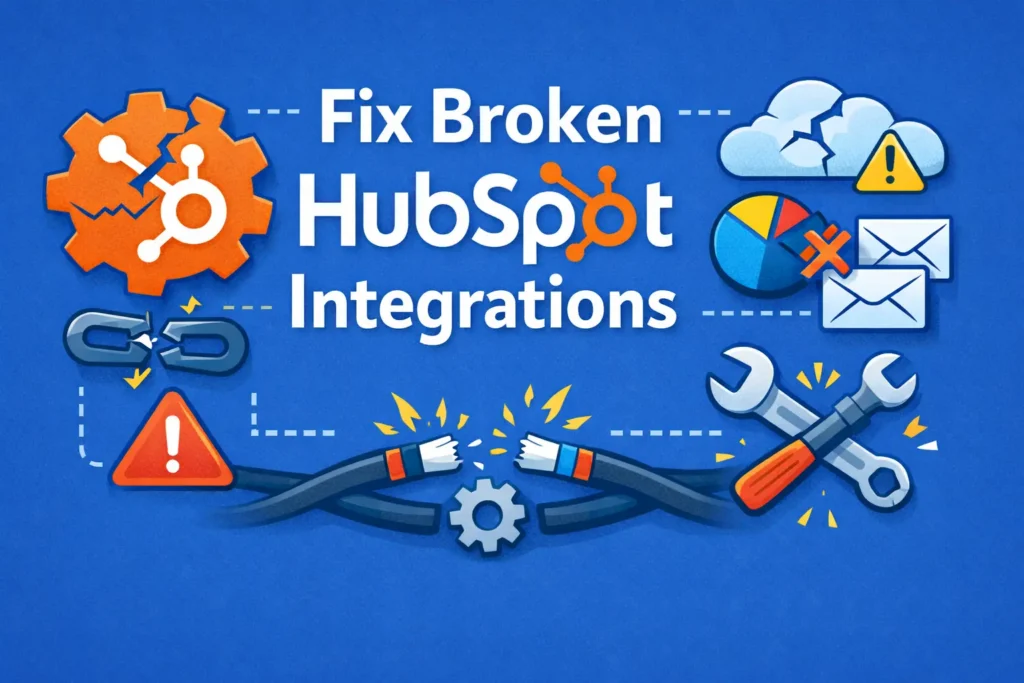
Broken HubSpot integrations share one frustrating trait: they often fail silently. No alert fires, no workflow throws an obvious error, and no one on your team…
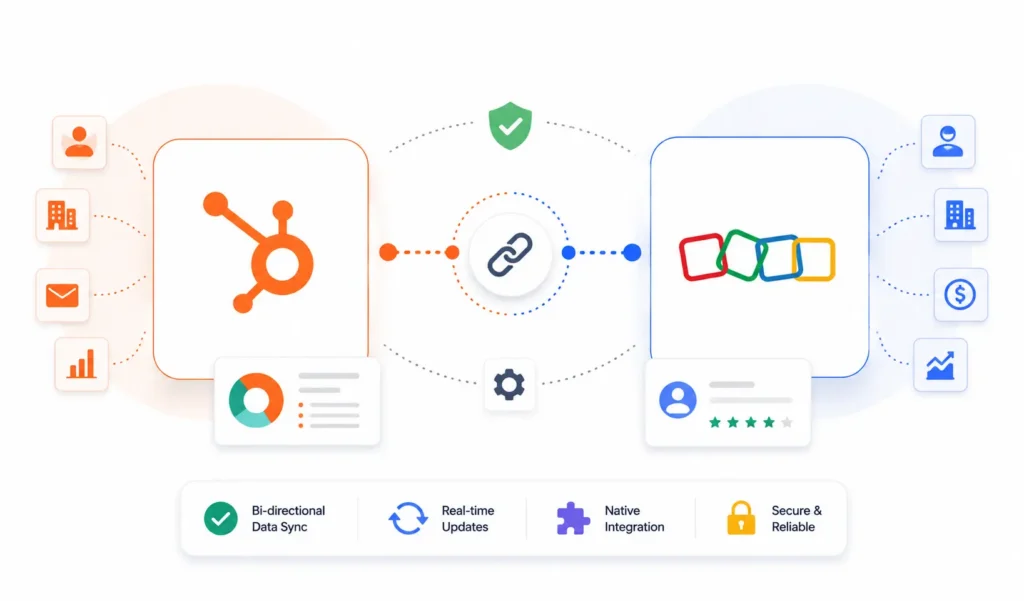
The ‘HubSpot Zoho integration‘ question lands differently depending on which direction you’re coming from. Some teams run Zoho CRM for sales and want HubSpot’s marketing automation…
The HubSpot Pipedrive integration question comes up in two very different situations. Either your team is running both CRMs at the same time as a sales…