


























What is a HubSpot Zendesk integration?
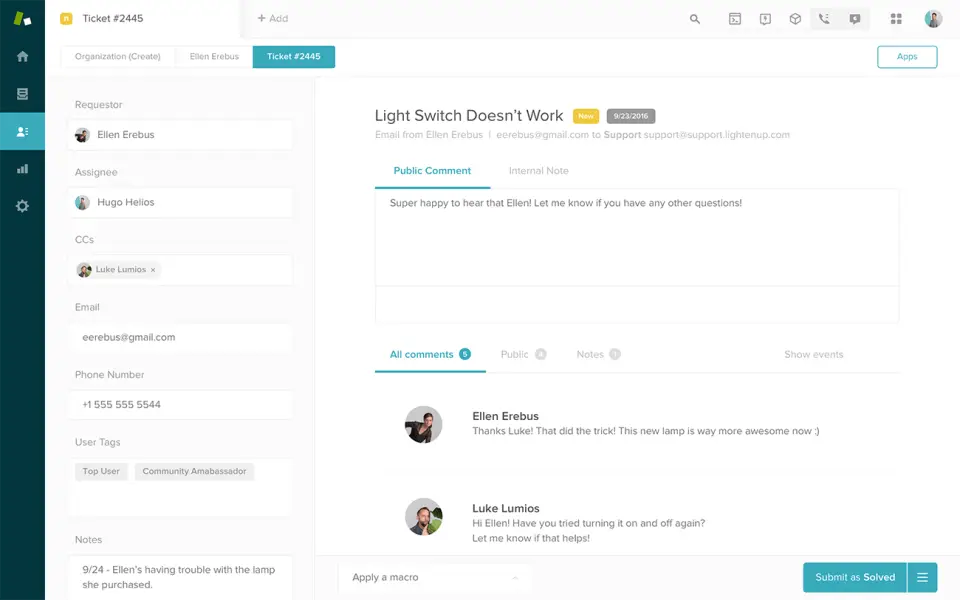
A HubSpot Zendesk integration connects your support platform to your CRM, syncing tickets, contacts, and organizations so sales and marketing teams see support history and support agents see commercial context, all without switching tools.
How does the HubSpot Zendesk integration work?
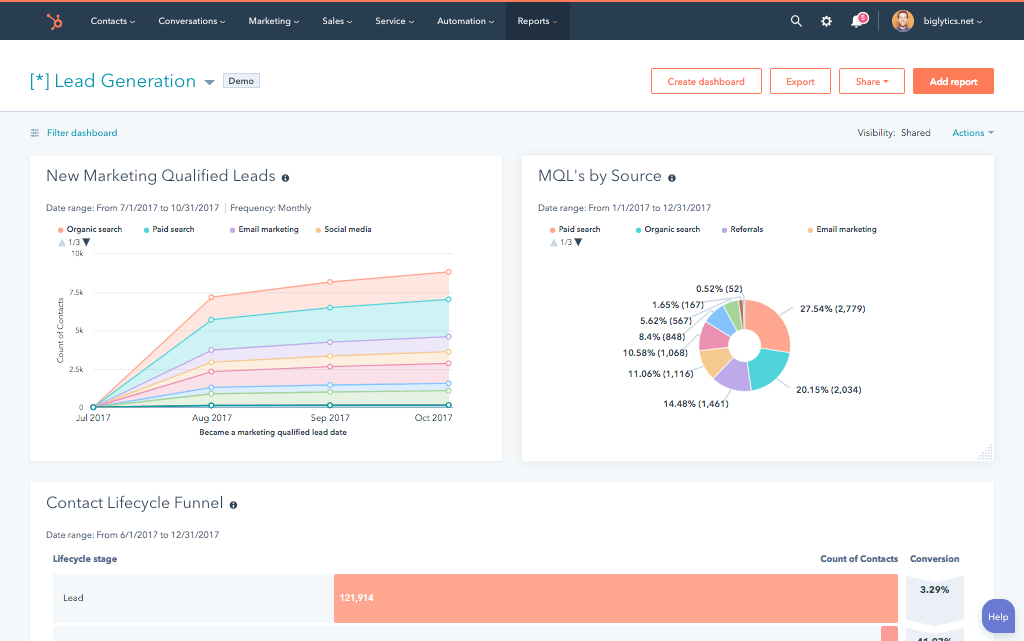
The integration maps Zendesk users, organizations and tickets to HubSpot contacts, companies, and tickets, using HubSpot’s Data Sync engine or a custom-built connection. Ticket events, CSAT scores, and status changes can flow into HubSpot while HubSpot deal and lifecycle data can inform ticket routing and prioritization in Zendesk.

Turn HubSpot Into A Real-Time SMS Engine with Message IQ
 Two-Way Conversations
 Shared Team Inbox
 Automation Triggers
 Advanced Reporting
 Compliance Tools
- 98% SMS read within 3 min
- 78% Buy from first responder
- 21× More likely to qualify

*MessageIQ is an IntegrateIQ product – built natively for HubSpot by the same team.
What are the limitations of HubSpot’s native Zendesk integration?
HubSpot’s native Zendesk integration matches contacts by email only, doesn’t sync archived tickets at all, and displays a fixed set of ticket fields on the HubSpot timeline that can’t be customized. Resolved tickets don’t show full details without clicking through to Zendesk. Both contact and ticket sync also need to be enabled together, or data doesn’t display at all.
How long does a HubSpot Zendesk integration take to build?
A custom HubSpot Zendesk integration typically takes 8 weeks: 2 weeks of discovery, mapping your specific Zendesk ticket types, custom fields, SLA rules, and agent groups against your HubSpot setup, followed by build, testing, and go-live support.
Can HubSpot and Zendesk sync bi-directionally?
Yes. HubSpot’s native connector can sync contacts and organizations both ways, but ticket sync only flows one way into HubSpot. A custom integration can make ticket data genuinely bi-directional, so HubSpot-side updates, like a task completion, can reflect back in Zendesk.
Does the native integration sync archived Zendesk tickets?
No. The native connector does not sync archived Zendesk tickets, which leaves a permanent gap in account history for any tickets archived before the integration was set up. A custom integration can backfill that historical data as part of the initial build.
Support Workflows You Can Automate Once Zendesk Data Lives in HubSpot
This page already covers agent context, upsell flagging, ticket prioritization, full support history, marketing segmentation by CSAT, and proactive account manager alerts. The five below are deliberately new, and each is built directly from a documented native-connector limitation.
- Archived Ticket Historical Backfill. Since Zendesk’s native connector doesn’t sync archived tickets at all, a custom integration can pull historical archived ticket data into HubSpot once, giving CSMs full account history instead of a gap that starts wherever the native sync happened to begin.
- Multi-Identifier Contact Matching Beyond Email. Where the native connector only matches contacts by email, a custom integration can also match by phone number, external ID, or company domain, so support interactions from a different email address, a shared inbox, a personal email, still land on the right contact record.
- Resolved Ticket Detail Capture Before It’s Lost. Since the native connector doesn’t display full resolution details for solved tickets on the HubSpot timeline, a custom integration can capture and store resolution notes at the moment a ticket closes, so that detail isn’t buried behind a click-through to Zendesk months later.
- Loyalty or Tier-Aware Ticket Routing. For businesses with loyalty programs or account tiers that aren’t native Zendesk fields, HubSpot’s tier and loyalty data can inform ticket routing and response SLAs in Zendesk directly, rather than agents guessing a customer’s status from context.
- Custom Field Round-Trip Beyond the Fixed Payload. Since the native connector’s ticket payload to HubSpot is fixed, subject, status, CSAT, agent, link, a custom integration can surface specific custom Zendesk ticket fields as actual HubSpot properties usable in workflows and reports, not just a link back to Zendesk.
What Breaks in a Zendesk HubSpot Sync, and How We Prevent It
This section is currently absent from the page entirely.
- Email-only contact matching. HubSpot’s native Zendesk sync only matches records by email address; a support interaction from a different email, a colleague, a shared inbox, a personal account, creates an orphaned or duplicate record instead of attaching to the right contact. We match on multiple identifiers, not email alone.
- Archived tickets don’t sync at all. The native connector excludes archived Zendesk tickets entirely, leaving permanent gaps in account history for any customer whose older tickets were archived before the integration went live. We backfill archived ticket history as part of the initial build.
- Permission and scope misconfiguration. The native sync requires the connected user to have full access to all tickets, users, and organizations, and both contact and ticket sync must be enabled together or nothing displays, a common, real, documented setup mistake. We validate the full scope and permission model during setup rather than assuming a partial configuration will work.
- Fixed, non-customizable ticket payload. The native connector’s HubSpot timeline display is limited to a fixed set of fields, subject, status, CSAT, agent, link back to Zendesk, with no way to customize it, and resolved tickets don’t show full details without clicking through to Zendesk. Custom ticket fields, loyalty tiers, or account-specific data never make it into HubSpot as usable properties. We build a translation layer so the fields your team actually needs land in HubSpot directly.
- API rate limits at high ticket volume. Businesses processing hundreds or thousands of tickets weekly, as the benchmarks on this page already show, can hit API limits during bulk syncs. Across 300+ platform integrations moving 20 billion plus fields annually, we batch and throttle high-volume syncs by design, not by accident.
See your 12-month revenue impact with HubSpot CRM
Enter your current numbers — visitors, leads, deal size — and get a personalized projection based on real HubSpot customer benchmarks.
Calculate My ROI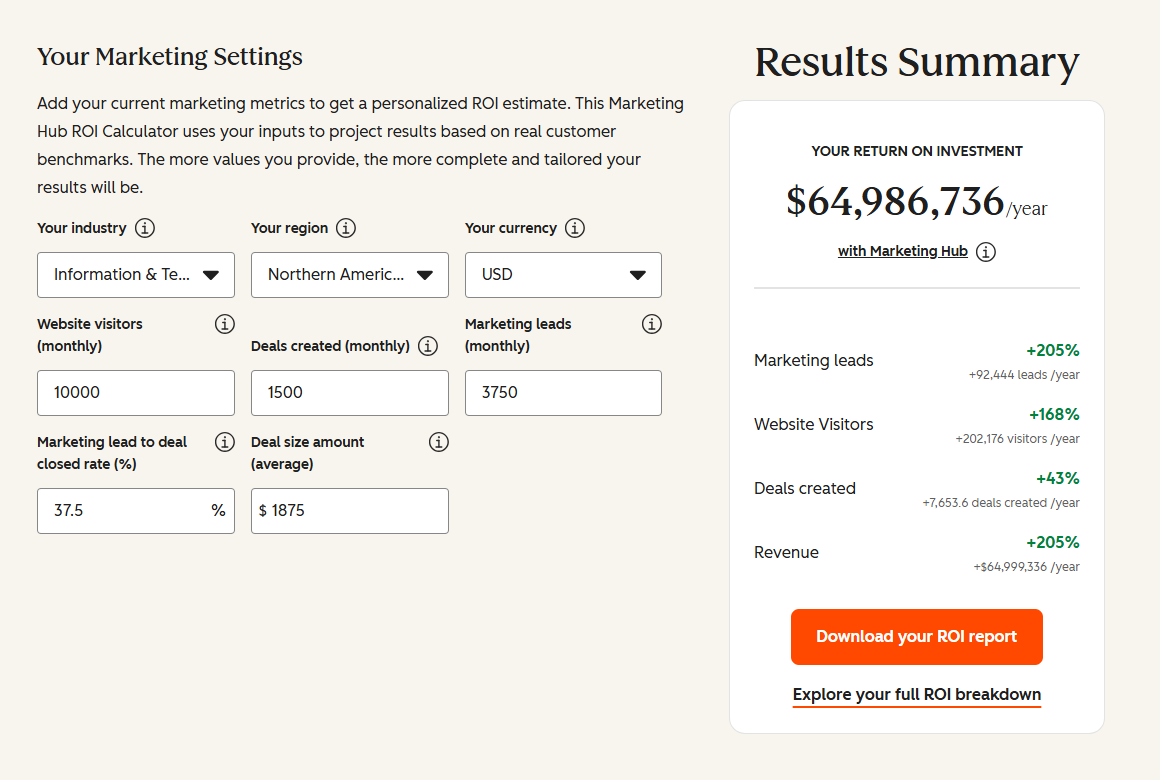
Connect the Rest of Your Support Stack
If you’re still evaluating platforms, our HubSpot versus Zendesk comparison covers the broader picture. If you’re moving off a different CRM at the same time as connecting Zendesk, our CRM migration services cover that too. Custom ticket field mapping beyond the standard build often needs full-stack development support. Getting agents and reps onto the new workflow goes faster with HubSpot training. Not sure what any of this is worth to your team? Run the numbers on our Integration ROI Calculator.

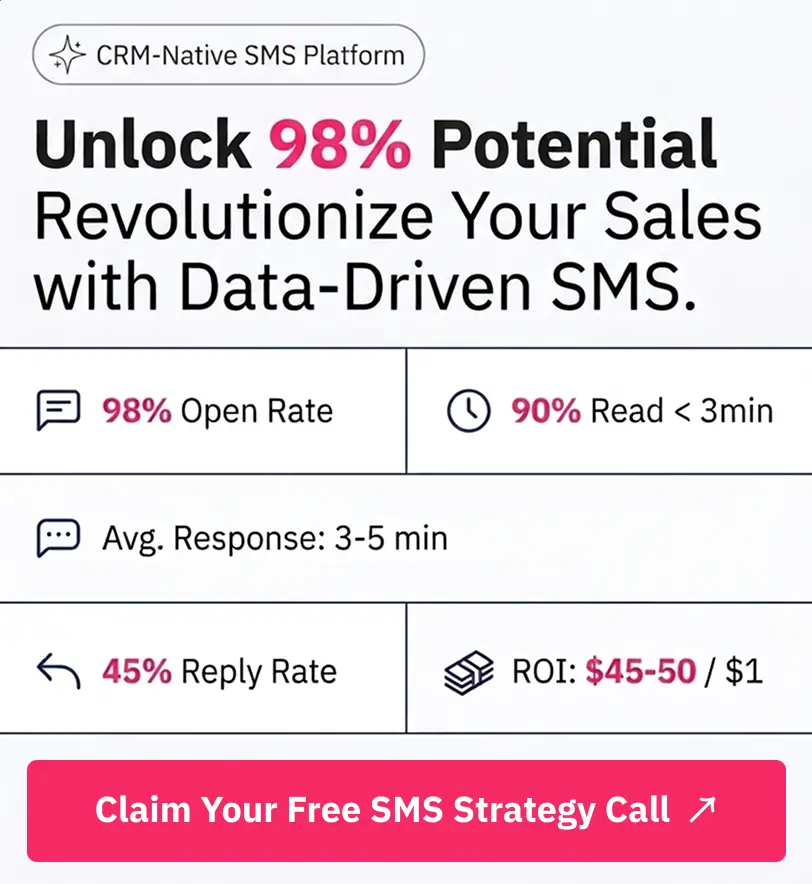
Table of Contents
- What is a HubSpot Zendesk integration?
- How does the HubSpot Zendesk integration work?
- What are the limitations of HubSpot’s native Zendesk integration?
- How long does a HubSpot Zendesk integration take to build?
- Can HubSpot and Zendesk sync bi-directionally?
- Does the native integration sync archived Zendesk tickets?
- Support Workflows You Can Automate Once Zendesk Data Lives in HubSpot
- What Breaks in a Zendesk HubSpot Sync, and How We Prevent It
- Connect the Rest of Your Support Stack