








































What is a HubSpot Accelo integration?
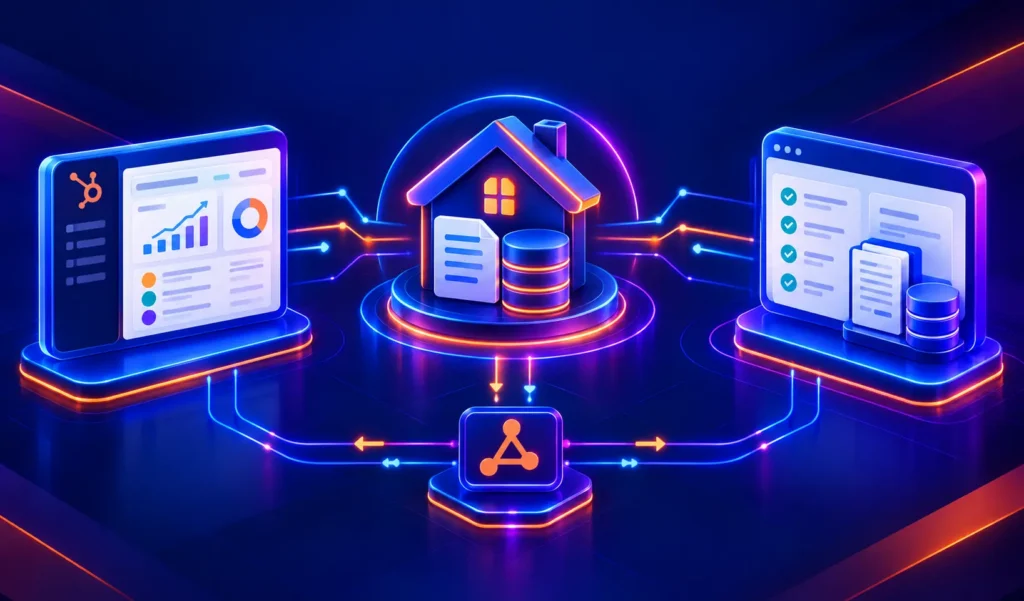
A HubSpot Accelo integration connects your sales CRM to your professional services delivery platform, syncing deals, projects, retainers, and billing data so sales and delivery teams share one accurate view of every client engagement.
How does the HubSpot Accelo integration work?
The integration maps HubSpot companies, contacts, deals, and tickets to Accelo’s clients, projects, retainers, and issues. A Closed-Won deal can automatically create a project or retainer in Accelo, while project status, budget health, and support activity sync back to HubSpot.

Turn HubSpot Into A Real-Time SMS Engine with Message IQ
 Two-Way Conversations
 Shared Team Inbox
 Automation Triggers
 Advanced Reporting
 Compliance Tools
- 98% SMS read within 3 min
- 78% Buy from first responder
- 21× More likely to qualify

*MessageIQ is an IntegrateIQ product – built natively for HubSpot by the same team.
What’s the best accelo hubspot integration?
It depends on how deep your automation needs to go. Accelo’s native HubSpot integration handles Company and Contact syncing well and is a solid starting point for basic visibility. Once you need automatic project creation from deals, custom object mapping or retainer templates triggered by specific deal properties, a custom integration is the best path, since the native app’s scope stops before those workflows.
Does Accelo’s native HubSpot integration support project automation from deals?
No. Accelo’s native HubSpot integration syncs Companies and Contacts, but doesn’t automatically convert a Closed-Won deal into a project or retainer, or apply custom project templates based on deal properties. That level of automation requires a custom integration.
How long does a HubSpot Accelo integration take to build?
A custom HubSpot Accelo integration typically takes 8 weeks: 2 weeks of discovery and field mapping, including your specific billing models, 3 weeks of build and staging, and the remaining weeks for testing and go-live support.
Can HubSpot and Accelo sync bi-directionally?
Yes. Accelo’s native integration already offers bi-directional sync for Companies and Contacts. A custom integration extends that to deals, projects, retainers, and tickets, so budget health and project status flow back into HubSpot just as reliably as contact updates flow into Accelo.
Three Ways to Connect Accelo and HubSpot
Not every team needs custom. Here is the honest comparison, currently absent from the page.
| Factor | Native Accelo App | Zapier / Generic iPaaS | Custom Integration (Integrate IQ) |
|---|---|---|---|
| Best for | Basic Company and Contact visibility across both platforms | Simple one-way trigger automation | Firms needing deal-to-project automation and billing-model-specific logic |
| Deal-to-project automation | Not supported | Basic, template-based only | Full automation, matched to your specific project and retainer templates |
| Custom object / retainer template logic | Not supported | Not supported | Full support for custom objects, budget fields, and template selection rules |
| Sync direction | True two-way for Companies and Contacts | One-way per trigger | True bi-directional, configurable per object including deals, projects, and tickets |
| Business logic | None beyond contact and company sync | Basic conditional logic | Custom rules, e.g. scope-creep alerts, retainer utilization scoring |
| Volume handling | Fine for standard contact volume | Task limits and throttling at scale | Built for high-volume concurrent projects and time entries |
| Maintenance | Vendor-managed | You manage it | Monitored, maintained, and supported |
If you just need Companies and Contacts staying in sync across both platforms, Accelo’s native integration already does that well. Once you want a Closed-Won deal to actually create the right project or retainer automatically, or need custom object and budget data flowing back to HubSpot, a custom integration is what gets you there, since the native app’s scope was never built to cover that automation.
Additional Delivery Workflows You Can Automate Once Accelo Data Lives in HubSpot
This page already covers automated project creation, custom requirement sync, retainer streamlining, project health tracking, upsell signals, centralized communication, and NPS automation. The five below are deliberately new.
- Time-Tracking to Deal Profitability Rollup. Accelo’s time and billing data can roll up into a HubSpot deal-level profitability view, showing which types of deals are actually profitable to deliver, not just which ones closed at the highest value.
- Scope Creep Alert from Budget Consumption Rate. Beyond a flat 80%-budget-consumed trigger, HubSpot can flag projects burning budget faster than their timeline progress would suggest, catching scope creep earlier than a simple threshold alert.
- Multi-Service Cross-Sell from Project Type History. Using a client’s history of completed project types in Accelo, HubSpot can identify clients who’ve only ever bought one service line and prioritize them for a cross-sell campaign into adjacent services.
- Retainer Renewal Risk Scoring by Utilization. Beyond a simple renewal-date reminder, HubSpot can score retainer renewal risk based on how consistently a client has been utilizing their retainer hours, flagging under-utilized accounts as churn risk and over-utilized accounts as an upsell opportunity, differently.
- Resource Capacity Visibility for Sales Pacing. When Accelo shows the delivery team nearing capacity for an upcoming period, HubSpot can flag sales to pace new deal closings accordingly, preventing overselling delivery capacity the team can’t fulfill.
What Breaks in an Accelo HubSpot Sync, and How We Prevent It
This section is currently absent from the page entirely.
- Duplicate records and identity resolution. A client with multiple contacts submitting separate projects could create multiple Accelo companies for what should be one client. We match on a stable company identifier, not deal-level contact info alone.
- System-of-record conflicts. Project managers may update a project’s budget or timeline directly in Accelo while HubSpot still reflects the original deal terms. We define Accelo as the source of truth for delivery and financial fields once a project starts, HubSpot for the sales relationship, with locked writes.
- Field mapping and status drift. Accelo’s project, ticket, and retainer statuses don’t map cleanly onto HubSpot deal stages by default, especially for businesses billing a mix of hourly, project, and retainer work. We build the mapping deliberately for your specific billing models, not a generic assumed status list.
- Native integration’s object scope stops at Companies and Contacts. Accelo’s own native HubSpot integration handles Company and Contact syncing well, but doesn’t automate project creation from deals, sync custom objects, or trigger retainer templates, exactly the workflows this page’s own top-fold depends on. A custom integration extends past where the native app’s scope ends.
- API rate limits at high-volume professional services firms. Firms running many concurrent projects, retainers, and time entries can hit API limits during bulk syncs. Across 300+ platform integrations moving 20 billion plus fields annually, we batch and throttle high-volume syncs by design, not by accident.
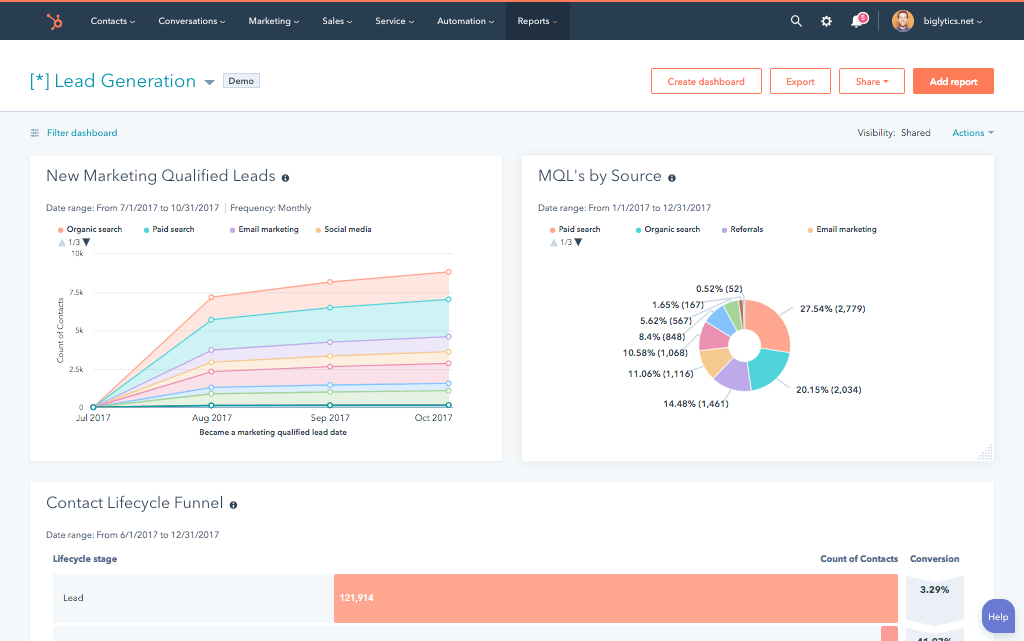
See your 12-month revenue impact with HubSpot CRM
Enter your current numbers — visitors, leads, deal size — and get a personalized projection based on real HubSpot customer benchmarks.
Calculate My ROI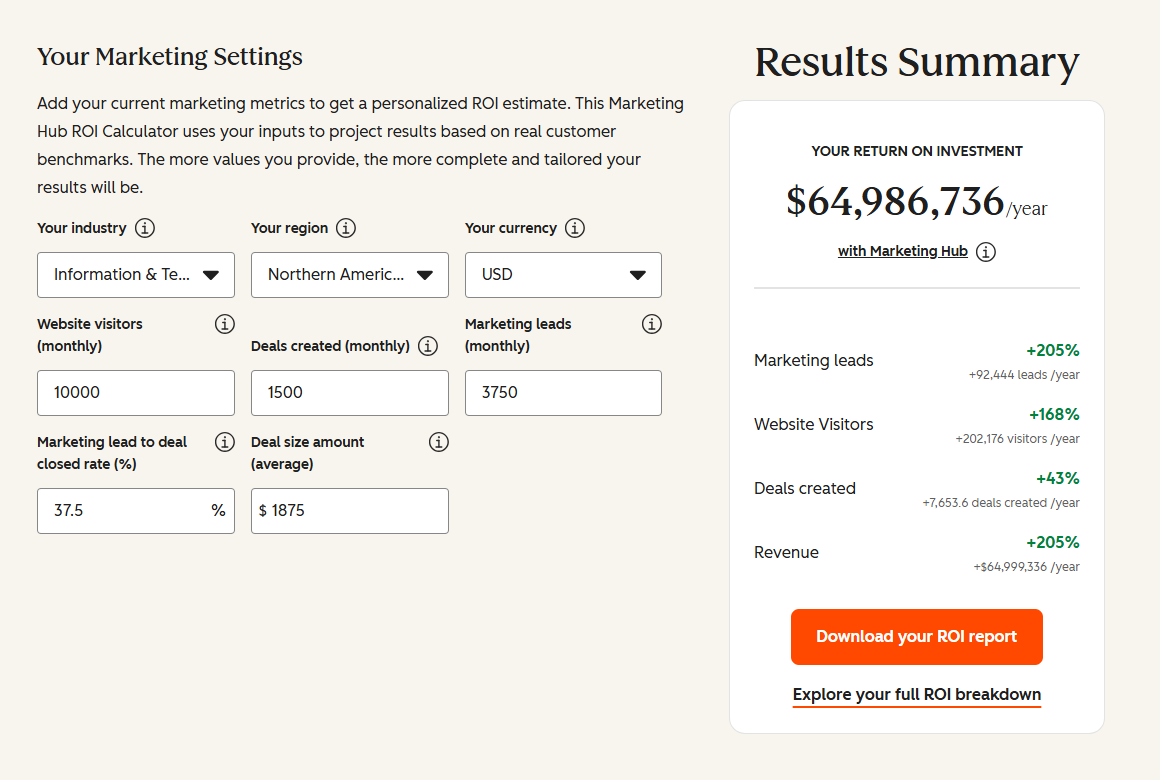
Connect the Rest of Your Delivery Stack
Custom retainer template logic or profitability reporting beyond the standard build often needs full-stack development support. Getting sales and delivery teams onto the new workflow goes faster with HubSpot training. Migrating off a legacy CRM at the same time? Our CRM migration services cover that too. Not sure what any of this is worth to your team? Run the numbers on our Integration ROI Calculator.

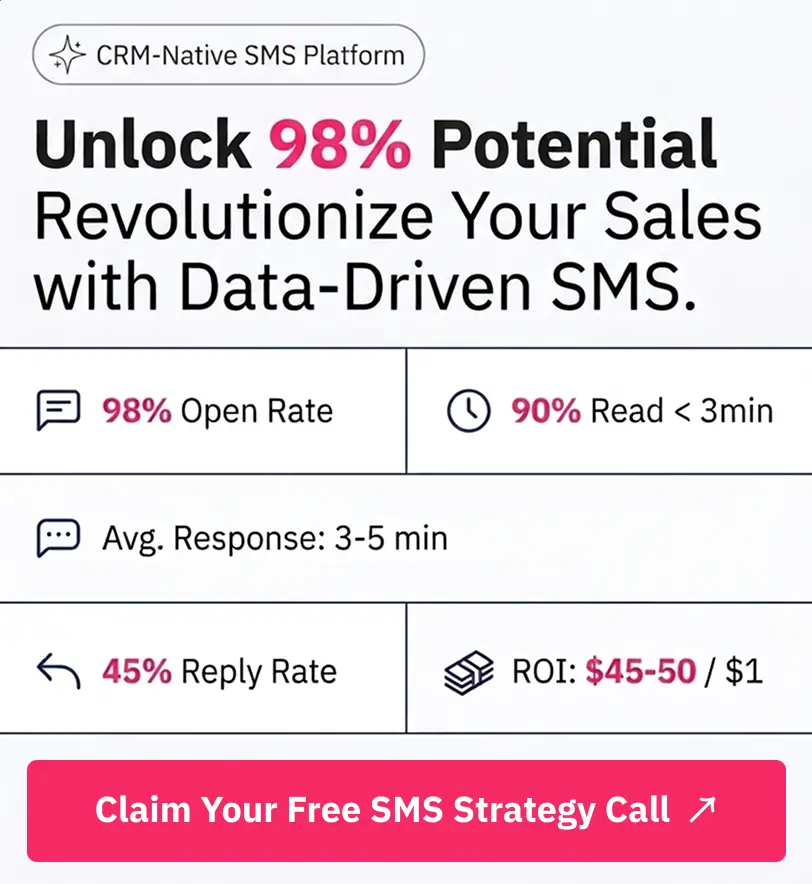
Table of Contents
- What is a HubSpot Accelo integration?
- How does the HubSpot Accelo integration work?
- What’s the best accelo hubspot integration?
- Does Accelo’s native HubSpot integration support project automation from deals?
- How long does a HubSpot Accelo integration take to build?
- Can HubSpot and Accelo sync bi-directionally?
- Three Ways to Connect Accelo and HubSpot
- Additional Delivery Workflows You Can Automate Once Accelo Data Lives in HubSpot
- What Breaks in an Accelo HubSpot Sync, and How We Prevent It
- Connect the Rest of Your Delivery Stack