






































What is a HubSpot Blackbaud integration?
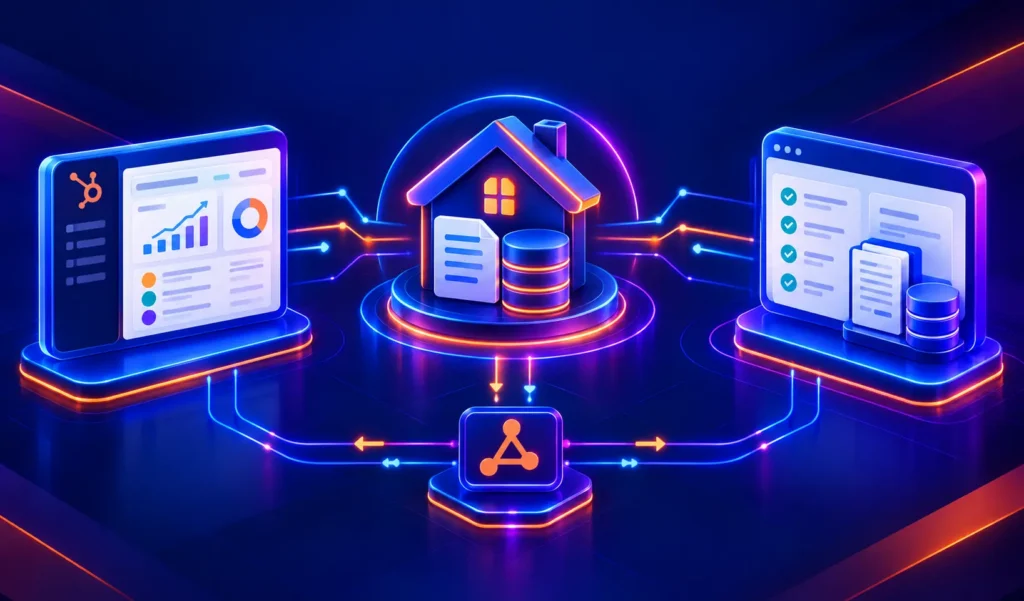
A HubSpot Blackbaud integration is a two-way data connection that syncs constituents, gifts, pledges and fund data between HubSpot and Blackbaud in near real time. It keeps donor and giving history visible inside HubSpot and pushes marketing engagement back to Blackbaud so fundraising and marketing teams work from one donor record instead of two.
How does the HubSpot Blackbaud integration work?
It works through the HubSpot API and Blackbaud’s SKY API, with field mapping, deduplication and a defined system of record for every object. When a gift posts in Blackbaud or a form fills out in HubSpot, the sync writes the change to the other system within minutes, with bi-directional rules controlling which fields flow which direction.
Turn HubSpot Into A Real-Time SMS Engine with Message IQ
 Two-Way Conversations
 Shared Team Inbox
 Automation Triggers
 Advanced Reporting
 Compliance Tools
- 98% SMS read within 3 min
- 78% Buy from first responder
- 21× More likely to qualify

*MessageIQ is an IntegrateIQ product – built natively for HubSpot by the same team.
Does HubSpot have a native Blackbaud integration?
HubSpot does not maintain a first-party Blackbaud integration. The Blackbaud Marketplace lists RaiserSync, a third-party app that maps Gifts to Deals and Constituents to Contacts. It struggles with custom donor segments like board members or legacy society members and REID-to-email mismatches can create duplicate contacts. Nonprofits with complex segmentation typically move to a custom build.
How long does a HubSpot Blackbaud integration take to build?
A custom HubSpot Blackbaud integration takes about 8 weeks from kickoff to production. Discovery runs two weeks, build and staging tests run three, historical gift backfill runs one, and cutover with hypercare covers the final two weeks. Timelines extend for organizations with heavy custom attributes or decades of gift history.
Can HubSpot and Blackbaud sync bi-directionally?
Yes, Bi-directional sync is standard in a custom HubSpot Blackbaud integration. Gift and constituent data flows from Blackbaud to HubSpot, while marketing engagement, lifecycle stage, and new leads flow from HubSpot back to Blackbaud, with conflicts resolved by rule. Marketplace apps like RaiserSync support two-way sync only for standard fields.
What data can sync between HubSpot and Blackbaud?
Constituents, organizations and households, gifts, pledges, proposals, fund and campaign data, constituent actions and notes, plus events, memberships, and volunteer records. On the HubSpot side, marketing activity, lifecycle stage, and lead score flow back. Custom Blackbaud attributes and funds are supported through the SKY API.
H2: How a HubSpot Blackbaud Integration Actually Works
Blackbaud stays the system of record for gifts, pledges, and constituent giving history. HubSpot stays the system of record for marketing engagement, email activity, and lifecycle stage. The integration connects to Blackbaud through its SKY API and to HubSpot through its native API, syncing specific objects in both directions on a schedule or in near real time.
When a gift posts in Blackbaud, a new constituent, an updated gift total, and fund data write to HubSpot within minutes, either creating a new contact or updating the existing one. When a HubSpot form submits or an email engagement crosses a threshold, that activity writes back to the Blackbaud constituent record so fundraisers see it before their next donor call.
Field-level rules decide which system wins when both change at once. A donor’s mailing address update in Blackbaud does not get overwritten by a stale HubSpot record, and a marketing opt-out in HubSpot does not get silently reversed by the next Blackbaud sync.
Three Ways to Connect Blackbaud and HubSpot
Not every team needs custom. Here is the honest comparison.
| Factor | Native Marketplace App | Zapier / iPaaS | Custom (Integrate IQ) |
|---|---|---|---|
| Best for | Small nonprofits with one or two campaigns and standard fields | Teams that need Blackbaud in the loop for a single trigger, like a webhook to Slack | Nonprofits and foundations with custom constituent attributes, multiple funds, or legacy data |
| Sync direction | One-way, Blackbaud to HubSpot only | One-way per Zap, stitched together for basic flows | True bi-directional, field-level system of record |
| Custom objects/fields | Limited, extra custom attributes often cost more or are unsupported | Possible but brittle, breaks on Blackbaud API or field changes | Full support for custom constituent codes, funds, and appeals |
| Constituent and gift sync | Gift maps to Deal, Constituent maps to Contact, fixed schema | Manual field-by-field setup per gift type | Custom mapping for gifts, pledges, proposals, and recurring gift schedules |
| Business logic | Fixed rules set by the app vendor | Basic if-this-then-that logic only | Your stewardship, moves management, and appeal rules, built in |
| Volume handling | Fine for a few thousand constituents | Rate limits hit fast at nonprofit scale, especially during year-end giving | Built for decades of gift history and high-volume giving seasons |
| Historical backfill | Rarely included, often a separate paid service | Manual, one record at a time | Full historical constituent and gift backfill included |
| Maintenance | Vendor-managed, but you wait on their release cycle | You own it, and it breaks quietly when either API changes | We monitor and maintain it as part of the build |
If you run a small donor base with standard gift fields and only need giving history visible in HubSpot, a marketplace app is a fine starting point and cheaper to stand up. Once you have custom constituent attributes, multiple funds and appeals, or need marketing engagement flowing back into Blackbaud, a custom HubSpot integration is the more durable route.
Fundraising Workflows You Can Automate Once Blackbaud Data Lives in HubSpot
- Corporate matching gift detection. A donor’s employer domain matches a known matching-gift company in HubSpot, a task is created for the gifts team, and the constituent record in Blackbaud gets tagged for matching-gift follow-up before the deadline passes.
- Legacy and planned giving identification. Age, giving tenure, and estate-related form fills in HubSpot trigger a flag on the Blackbaud constituent record, routing the prospect to the planned giving officer instead of the general appeal list.
- Event and volunteer follow-up. A Blackbaud event or volunteer record closes out, HubSpot enrolls the constituent in a post-event nurture track, and attendance data feeds next year’s invite segmentation automatically.
- Grant and fund-specific nurture. A gift posts to a restricted fund in Blackbaud, HubSpot sends fund-specific impact updates on a schedule, and lapses in fund-specific giving trigger a targeted check-in task for the assigned officer.
- Major gift officer daily digest. Portfolio-assigned constituents with new HubSpot engagement or a Blackbaud gift in the last 24 hours roll up into one digest, so officers start the day with signal instead of searching two systems.
What Breaks in a Blackbaud HubSpot Sync, and How We Prevent It
- Duplicate records and identity resolution. Blackbaud identifies constituents by REID, HubSpot matches on email. We build a matching layer that checks both, not just email, so a donor who gives under a work address and a personal one does not become two contacts.
- System-of-record conflicts. We define, field by field, whether Blackbaud or HubSpot owns the value, so a fundraiser updating a phone number in Blackbaud does not get silently overwritten by a stale HubSpot sync an hour later.
- Field mapping and custom attribute drift. Custom constituent codes, fund names, and appeal categories change as programs evolve. We build the mapping to tolerate renamed picklist values instead of breaking reports the next time someone edits a dropdown.
- Custom segment and giving-level gaps. Marketplace connectors sync standard fields well but drop custom segments like board members, monthly donors, or legacy society members. We map every custom attribute your development team actually uses, not just the defaults.
- API rate limits at volume. Year-end giving and appeal launches spike gift volume fast. Across our client base we move 20 billion plus fields annually, so we batch, checkpoint, and throttle by design instead of by accident.
Implementation Timeline: What to Expect
Most HubSpot Blackbaud integrations complete inside eight weeks of kickoff. The first two weeks cover discovery: constituent and gift object inventory in both systems, field-by-field mapping, system of record decisions, and an audit of custom attributes, funds, and appeals already in use. Weeks three to five are build and unit testing against a staging Blackbaud instance and a HubSpot sandbox. Week six runs the historical constituent and gift backfill and reconciliation. Weeks seven and eight cover user acceptance testing, cutover, and hypercare. Post-launch monitoring is included, so if a fund code changes or an API updates, we see it before your gift reports do. Full detail is on our HubSpot integration process page and 98.5% of clients renew for a follow-on scope.
See your 12-month revenue impact with HubSpot CRM
Enter your current numbers — visitors, leads, deal size — and get a personalized projection based on real HubSpot customer benchmarks.
Calculate My ROI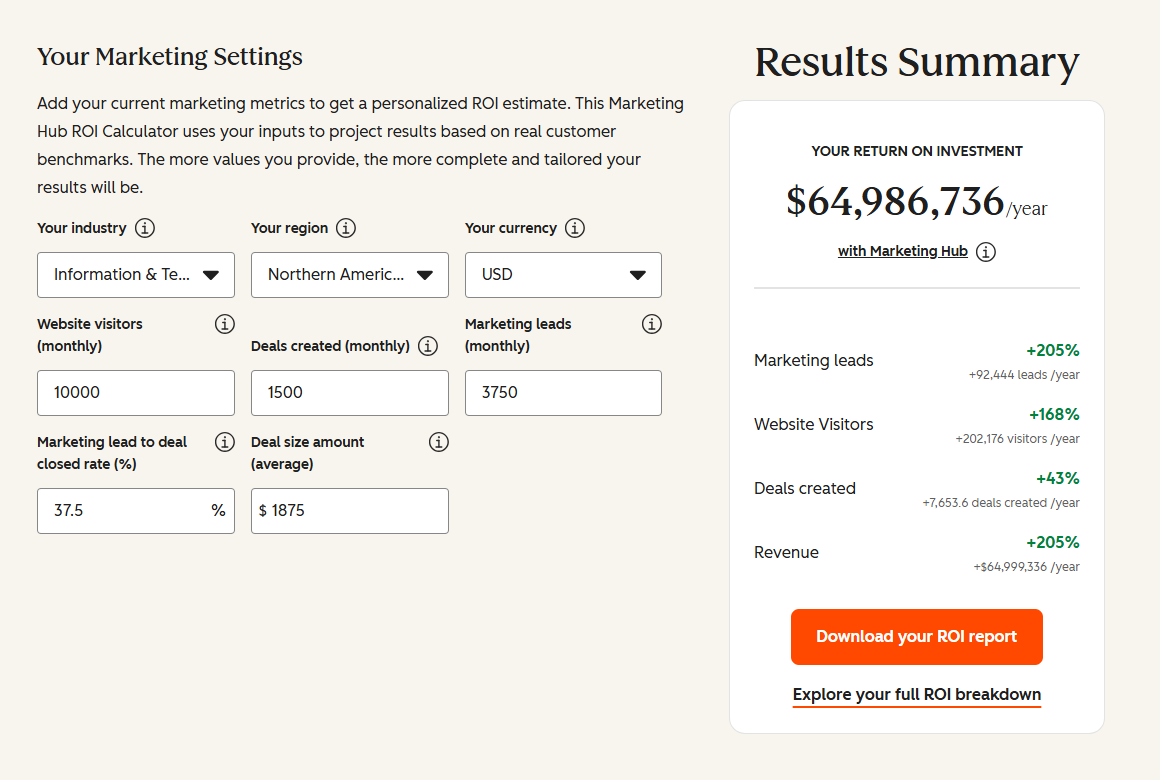
Connect the Rest of Your Revenue Stack
Blackbaud rarely runs alone. Nonprofits that outgrow spreadsheets for gift accounting often pair Blackbaud with QuickBooks and larger foundations running multi-entity finance connect HubSpot to NetSuite for consolidated reporting. Some development teams also run Salesforce Nonprofit Cloud alongside Blackbaud for grants or advocacy, which our HubSpot Salesforce integration handles. Foundations doing donor analytics at scale sync everything into a warehouse first through our HubSpot Snowflake integration. And if your organization also serves independent schools, our piece on education CRM integrations covers the overlap with Blackbaud’s education products.

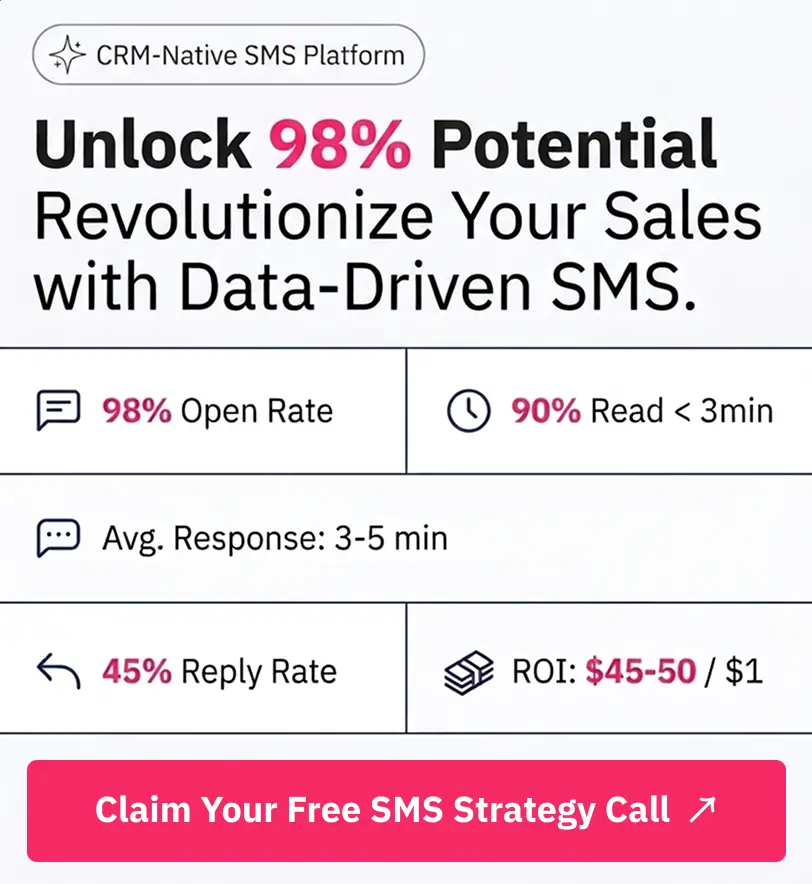
Table of Contents
- What is a HubSpot Blackbaud integration?
- How does the HubSpot Blackbaud integration work?
- Does HubSpot have a native Blackbaud integration?
- How long does a HubSpot Blackbaud integration take to build?
- Can HubSpot and Blackbaud sync bi-directionally?
- What data can sync between HubSpot and Blackbaud?
- H2: How a HubSpot Blackbaud Integration Actually Works
- Three Ways to Connect Blackbaud and HubSpot
- Fundraising Workflows You Can Automate Once Blackbaud Data Lives in HubSpot
- What Breaks in a Blackbaud HubSpot Sync, and How We Prevent It
- Implementation Timeline: What to Expect
- Connect the Rest of Your Revenue Stack