















What is a HubSpot ClickUp integration?
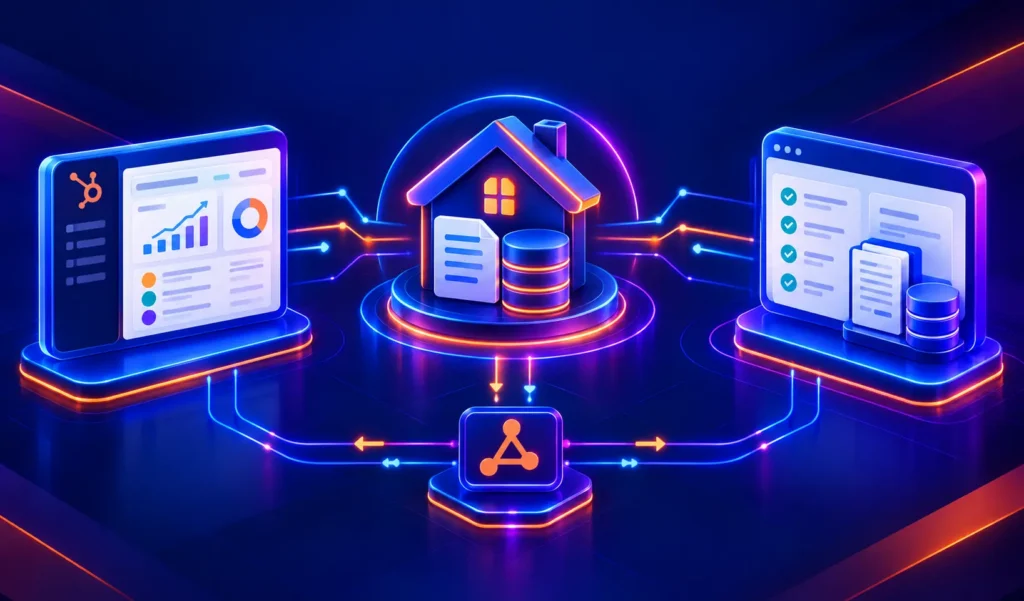
A HubSpot ClickUp integration connects your CRM to your project management platform, syncing deals, tasks, and project status so sales and delivery teams share visibility on a client’s engagement from close to completion.
How does the HubSpot ClickUp integration work?
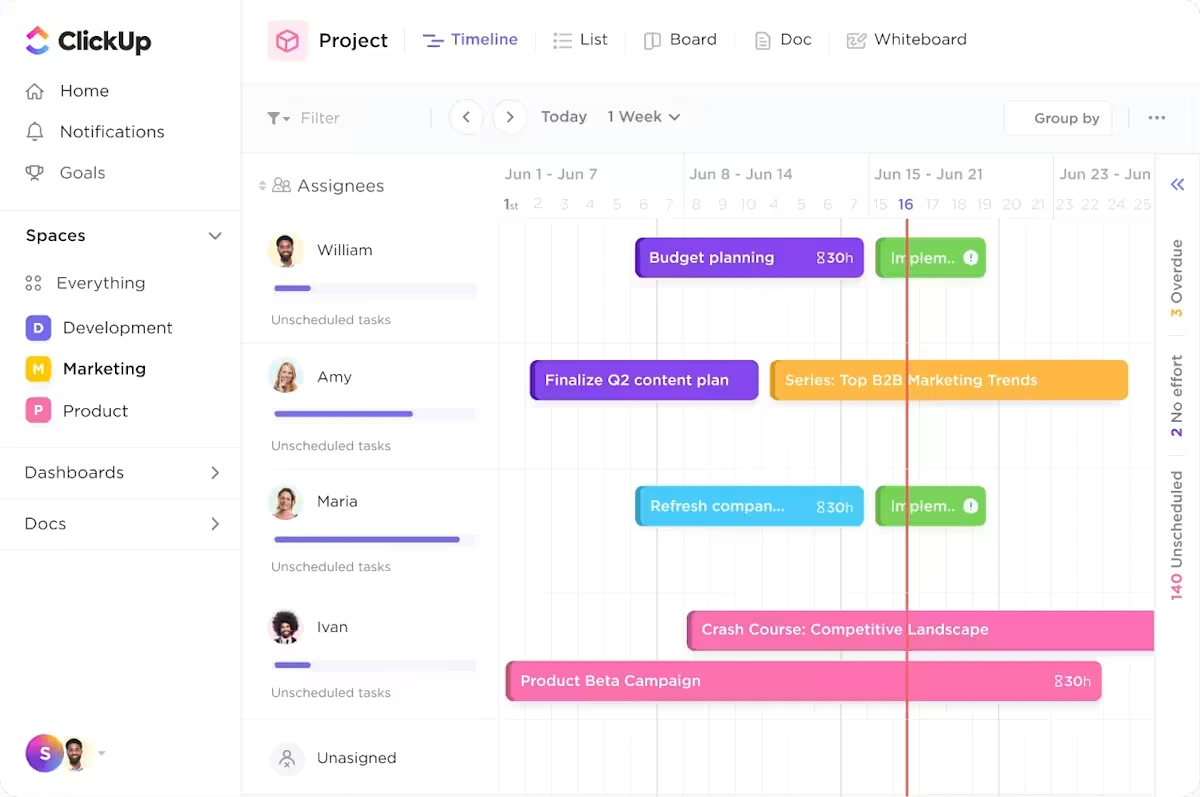
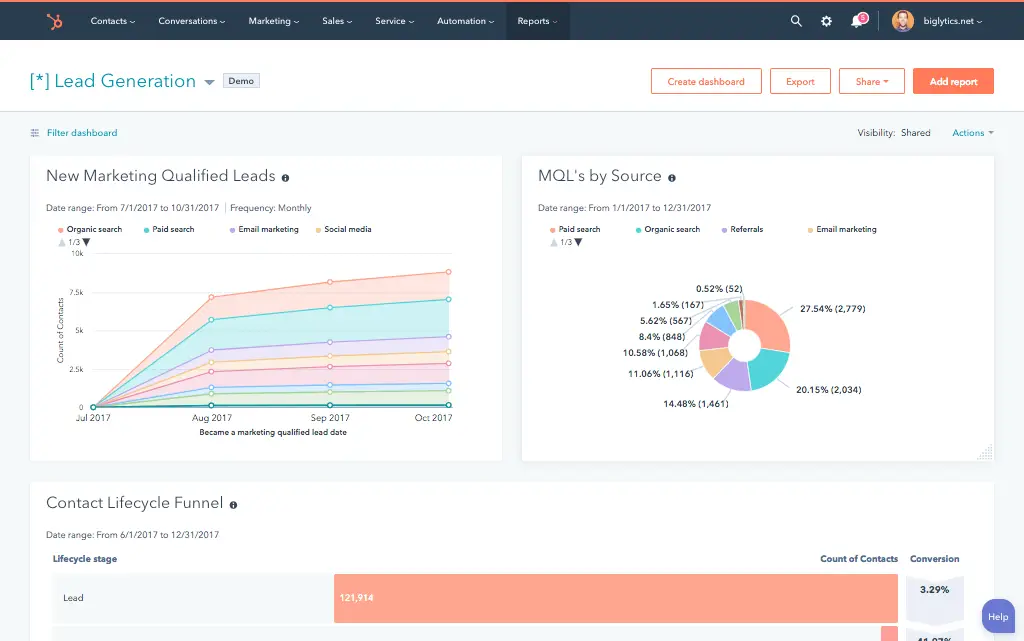
The integration maps HubSpot deals, tickets, and companies to ClickUp tasks, lists, and custom fields. A Closed-Won deal can automatically create a project from a ClickUp template, while task status updates in ClickUp sync back to a custom property on the HubSpot deal.

Turn HubSpot Into A Real-Time SMS Engine with Message IQ
 Two-Way Conversations
 Shared Team Inbox
 Automation Triggers
 Advanced Reporting
 Compliance Tools
- 98% SMS read within 3 min
- 78% Buy from first responder
- 21× More likely to qualify

*MessageIQ is an IntegrateIQ product – built natively for HubSpot by the same team.
Does HubSpot have a native ClickUp integration?
Yes, ClickUp offers a genuine two-way native integration, meaning ClickUp actions are available inside HubSpot’s workflow tool and HubSpot actions are available inside ClickUp automations. It handles standard use cases well but has real limits around custom field mapping and account tier requirements.
Does the native ClickUp integration support custom field mapping?
No. ClickUp’s own help documentation confirms that custom field mapping is not supported for HubSpot workflows in the native integration. For SLA data, custom statuses, or other specific fields to land in HubSpot as usable properties, a custom integration is required.
How long does a HubSpot ClickUp integration take to build?
A custom HubSpot ClickUp integration typically takes 8 weeks: 2 weeks of discovery, including mapping your specific Spaces, Folders, and Lists structure, 3 weeks of build and staging, and the remaining weeks for testing and go-live support.
What ClickUp plan do you need for the native HubSpot integration?
ClickUp’s native HubSpot integration is available on the Unlimited Plan and above, and only Workspace owners or admins can set it up; Guests and limited members can’t use it. A custom integration built against ClickUp’s API isn’t tied to that specific plan restriction in the same way.
How a HubSpot ClickUp Integration Actually Works
A HubSpot ClickUp integration works by starting from what the native two-way integration already does well, deal and task creation, and extending it where custom field mapping and nested data structures run into real, documented limits.
On the HubSpot-to-ClickUp side, a Closed-Won deal can create a project from a template, with custom logic routing it to the correct Space, Folder, or List based on pipeline or deal size.
On the ClickUp-to-HubSpot side, task and project status changes sync back as custom properties, with dropdown field values translated to readable labels rather than raw position indices.
Three Ways to Connect ClickUp and HubSpot
Not every team needs custom. Here is the honest comparison.
| Factor | Native ClickUp App | Zapier / Make | Custom Integration (Integrate IQ) |
|---|---|---|---|
| Best for | Standard two-way task and deal syncing on qualifying ClickUp plans | Teams needing more custom field flexibility than the native app offers | Complex data models, nested Spaces/Folders/Lists, or true two-way sync with loop prevention |
| Custom field mapping | Not supported in HubSpot workflows, per ClickUp’s own documentation | Supported by Make; historically limited on Zapier | Fully supported, including dropdown index-to-label translation |
| Plan / permission requirements | Requires ClickUp Unlimited plan or above; only Workspace owners/admins can set up | No ClickUp tier lock, but subject to Zapier/Make task limits | No forced ClickUp tier upgrade required |
| Nested data model handling | Flattened, limited support for Spaces/Folders/Lists hierarchy | Basic, mapped per automation | Full mapping using HubSpot custom objects to preserve hierarchy |
| Business logic | Fixed within the app’s settings | Custom logic possible, more so in Make than Zapier | Custom rules, e.g. multi-pipeline routing, loop prevention |
| Volume handling | Standard task and deal volume | Subject to HubSpot’s 100 requests/10 seconds limit on Free/Starter tiers | Built for high-volume syncs, paced within both platforms’ actual limits |
| Maintenance | Vendor-managed | You manage it | Monitored, maintained, and supported |
If you’re on a qualifying ClickUp plan and mainly need standard deal-to-task creation, the native integration covers that well. Once custom field mapping, nested Space and Folder structures, or plan-tier independence matter, a custom integration is what closes those gaps.
Delivery Workflows You Can Automate Once ClickUp Data Lives in HubSpot
- Dropdown Field Value Translation. Since ClickUp’s dropdown custom fields return position indices rather than readable option names through the API, the integration translates these back to actual labels before they land in HubSpot, so a status property shows “In Progress” instead of a meaningless number.
- Nested Space, Folder, and List Structure Mapping. For agencies or delivery teams organizing work across ClickUp’s nested Spaces, Folders, and Lists, the integration maps that hierarchy to HubSpot custom objects deliberately, preserving relationships that a flat, single-object sync would lose.
- Support Ticket Field Completion Beyond Task Name. Since ClickUp’s native integration only auto-maps the Task Name field into a HubSpot ticket, a custom integration can populate the remaining ticket fields, priority, category, description, automatically from ClickUp Forms submissions, eliminating the manual cleanup step teams currently do.
- Multi-Pipeline, Multi-List Dynamic Routing. For businesses running several HubSpot pipelines mapped to different ClickUp Lists, the integration dynamically routes a deal to the correct List based on pipeline, product line, or deal size, rather than a single fixed mapping.
- Infinite Loop Prevention for True Two-Way Sync. A genuinely bi-directional sync risks update loops, ClickUp triggers a HubSpot update, which triggers a ClickUp update, and so on. The integration includes loop-detection logic so a single real change doesn’t cascade into repeated, unnecessary sync events.
What Breaks in a ClickUp HubSpot Sync, and How We Prevent It
- Duplicate records and identity resolution. A deal already linked to a ClickUp task can create a second task if the connection between the two isn’t tracked with a stable reference ID. We store the ClickUp task ID directly on the HubSpot deal record, and vice versa, so re-syncs update the existing link instead of creating duplicates.
- System-of-record conflicts. Sales may update a deal amount in HubSpot while the delivery team tracks a different project value in ClickUp. We define clear field ownership, deal and contract terms from HubSpot, project execution status from ClickUp, so simultaneous updates don’t silently overwrite each other.
- Dropdown field values returned as position indices, not labels. ClickUp’s API returns custom dropdown field values as position indices rather than the actual option text, a real, documented gotcha. A naive sync displays a meaningless number in HubSpot instead of the actual status label. We translate these explicitly during the build.
- Custom field mapping isn’t supported in native HubSpot workflows. ClickUp’s own help documentation confirms that custom field mapping is not supported for HubSpot workflows in the native integration, and the integration’s automatic ticket-field mapping is limited to the Task Name field alone. Teams needing SLA data, custom statuses, or other ClickUp fields to land in HubSpot as usable properties need a custom build.
- API rate limits at bulk sync volume. HubSpot enforces a 100 requests per 10 seconds limit on Free and Starter tiers, and ClickUp’s own API has its own rate limits; bulk historical syncs across thousands of records can hit both. Across 300+ platform integrations moving 20 billion plus fields annually, we batch and pace requests within both platforms’ actual limits, not just retry blindly after hitting them.
Implementation Timeline: What to Expect
Most HubSpot ClickUp integrations ship in 8 weeks. The first 2 weeks cover discovery, including mapping your specific Spaces, Folders, and Lists structure. The next 3 weeks cover build and staging. The remaining weeks cover testing, historical data backfill, and go-live support. Our HubSpot integration process is the same repeatable framework behind our 98.5% client retention rate.
See your 12-month revenue impact with HubSpot CRM
Enter your current numbers — visitors, leads, deal size — and get a personalized projection based on real HubSpot customer benchmarks.
Calculate My ROI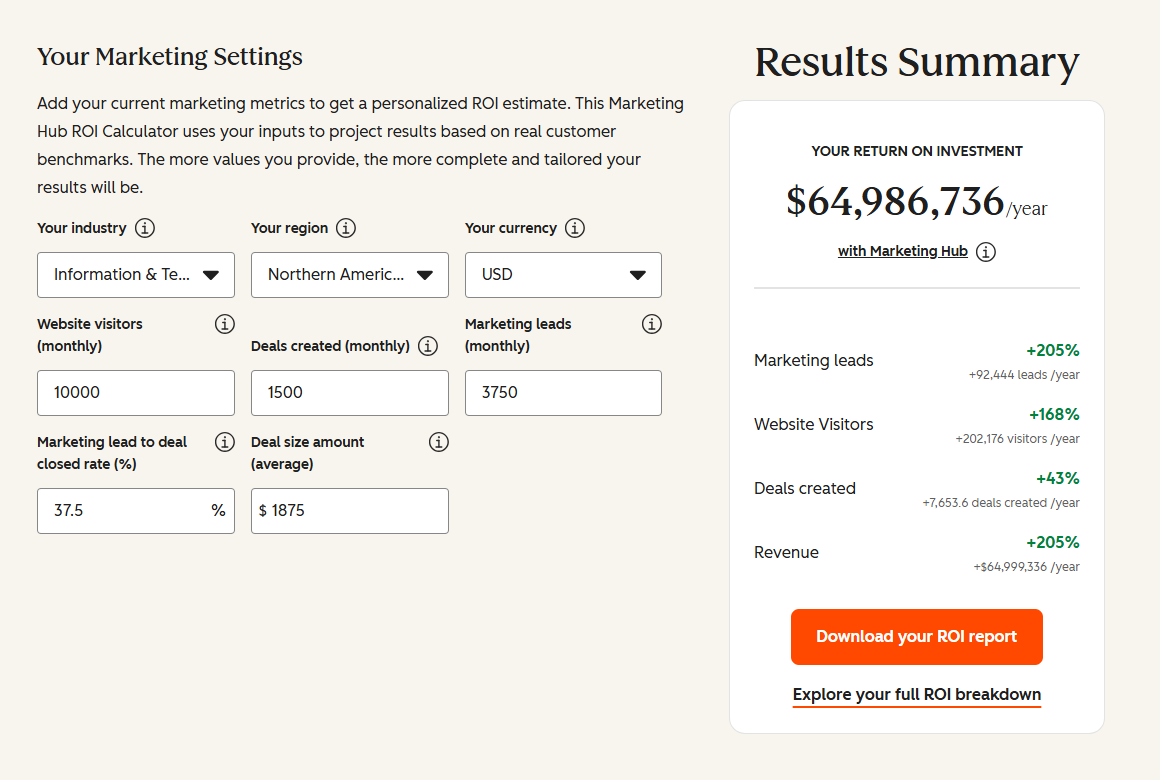
Connect the Rest of Your Delivery Stack
Custom object mapping for nested Spaces, Folders, and Lists, or loop-safe bi-directional logic beyond the standard build, often needs full-stack development support. Getting sales and delivery teams onto the new workflow goes faster with HubSpot training and HubSpot onboarding right after go-live. Migrating off a legacy CRM at the same time? Our CRM migration services cover that too. Not sure what any of this is worth to your team? Run the numbers on our Integration ROI Calculator.

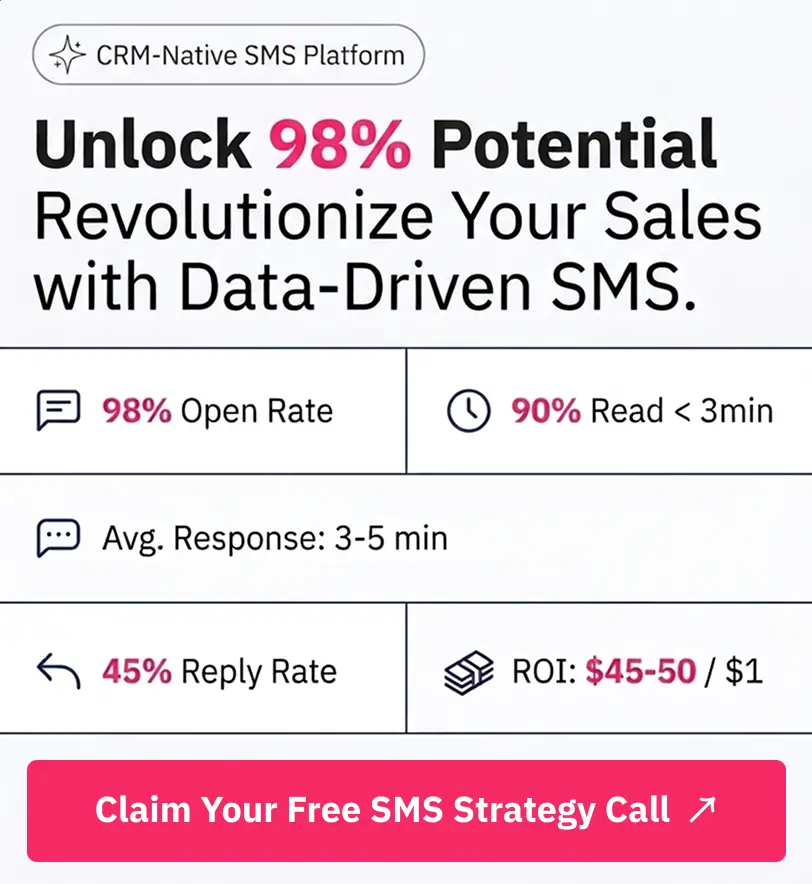
Table of Contents
- What is a HubSpot ClickUp integration?
- How does the HubSpot ClickUp integration work?
- Does HubSpot have a native ClickUp integration?
- Does the native ClickUp integration support custom field mapping?
- How long does a HubSpot ClickUp integration take to build?
- What ClickUp plan do you need for the native HubSpot integration?
- How a HubSpot ClickUp Integration Actually Works
- Three Ways to Connect ClickUp and HubSpot
- Delivery Workflows You Can Automate Once ClickUp Data Lives in HubSpot
- What Breaks in a ClickUp HubSpot Sync, and How We Prevent It
- Implementation Timeline: What to Expect
- Connect the Rest of Your Delivery Stack