








































What is a HubSpot Five9 integration?
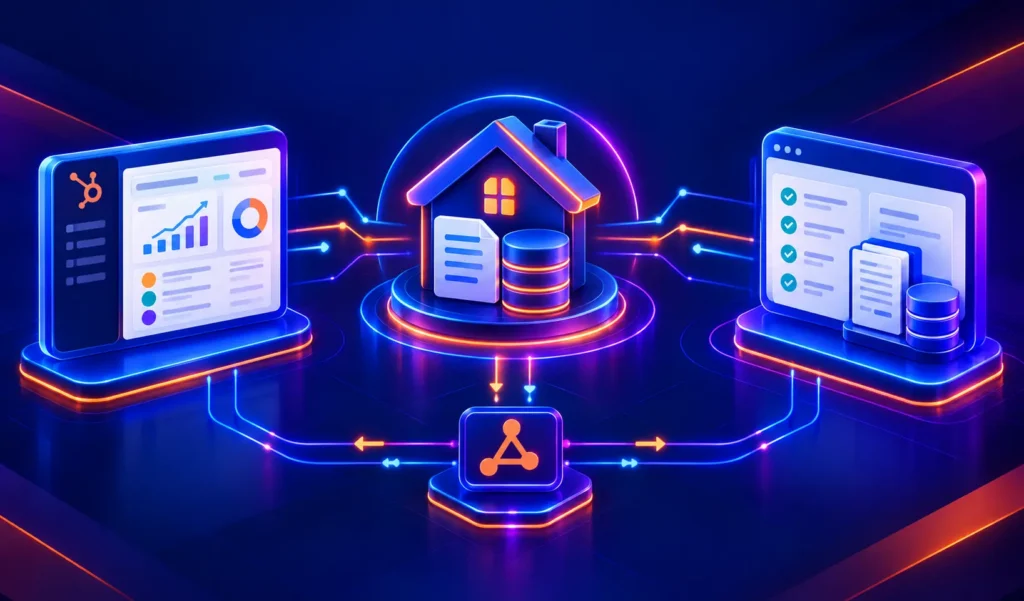
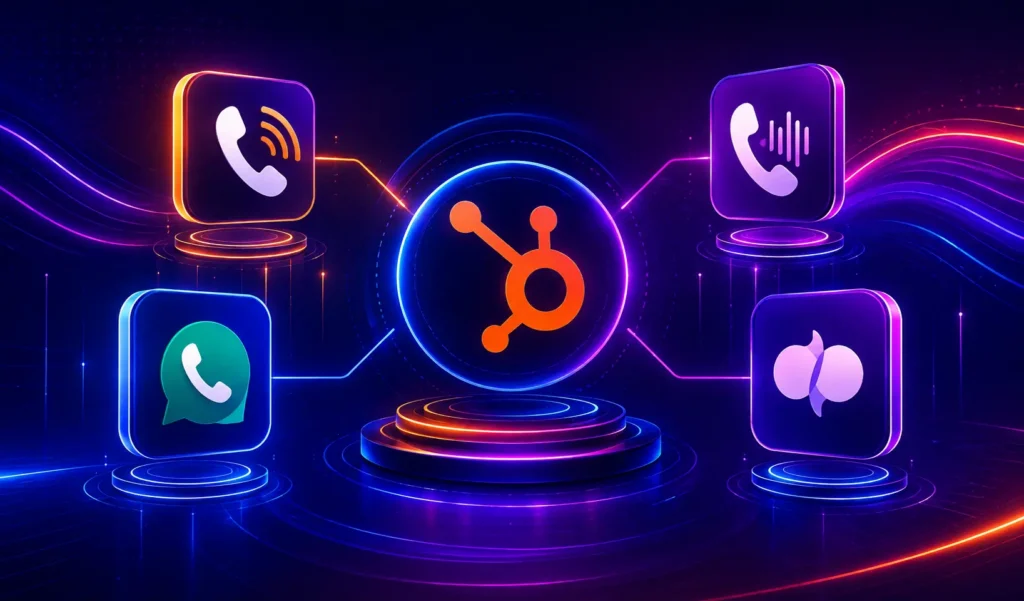
A HubSpot Five9 integration connects your cloud contact center to your CRM, syncing calls, dispositions, recordings and IVR data so agents see full customer context before they answer and managers get closed-loop reporting on call outcomes.
How does the HubSpot Five9 integration work?
The integration maps Five9 contacts, campaigns, call dispositions and IVR variables to HubSpot contacts, lists, activities, and custom properties. An inbound call triggers a screen pop using caller ID, while HubSpot Active Lists can push directly into Five9 as outbound dialing campaigns.

Turn HubSpot Into A Real-Time SMS Engine with Message IQ
 Two-Way Conversations
 Shared Team Inbox
 Automation Triggers
 Advanced Reporting
 Compliance Tools
- 98% SMS read within 3 min
- 78% Buy from first responder
- 21× More likely to qualify

*MessageIQ is an IntegrateIQ product – built natively for HubSpot by the same team.
Does Five9 have a native HubSpot integration?
Yes, Five9 lists a WFA connector for HubSpot in its own marketplace. Based on real user reports in the HubSpot Community, setup and reliability have been a recurring pain point, and the native connector doesn’t support custom IVR field mapping or custom HubSpot objects the way a purpose-built integration can.
How long does a HubSpot Five9 integration take to build?
A custom HubSpot Five9 integration typically takes 8 weeks: 2 weeks of discovery and technical diagnostics, 1 week for fixed-scope pricing and acceptance criteria, 1 week for environment setup, 2 weeks for core build, and the remaining weeks for workflow automation and user acceptance testing.
Can HubSpot and Five9 sync bi-directionally?
Yes. A custom integration can sync inbound and outbound call data, dispositions, and IVR variables from Five9 into HubSpot and push Active Lists, contact updates, and screen-pop data from HubSpot back into Five9. Direction and timing are configurable per object.
What happens if the integration breaks? Whose support do we call, Five9 or HubSpot?
With a native connector, you’re often stuck relaying messages between Five9 support and HubSpot support while each points at the other, a real pattern reported in the HubSpot Community. With a managed custom integration, we monitor and diagnose the connection ourselves, so you have one point of contact instead of two vendors pointing at each other.
Contact Center Workflows You Can Automate Once Five9 Data Lives in HubSpot
This page already covers screen pops, click-to-call, Active List to Campaign sync, after-call work reduction, recording and transcript sync, disposition-triggered workflows, revenue reporting and automated ticket creation. The five below are deliberately new.
- Omnichannel Handoff Continuity. When a customer’s inquiry moves from chat or email into a Five9 voice call, HubSpot carries forward the full omnichannel conversation history so an agent isn’t starting from zero on channel three of the same issue.
- Predictive Dialer List Health Checks. Before an Active List pushes to a Five9 outbound campaign, HubSpot runs a data-quality check, missing phone numbers, do-not-call flags, recently contacted, and filters the list automatically, instead of dialing bad or non-compliant records.
- QA Score Feedback Loop to Coaching. When a supervisor scores a Five9 call for quality, that score and any coaching notes sync to the rep’s HubSpot record, so sales leadership has performance context tied to actual deals, not a separate QA spreadsheet.
- SLA Breach Escalation. When an inbound service call in Five9 exceeds a defined wait-time or resolution SLA, HubSpot automatically escalates the associated ticket to a supervisor, rather than the breach only being visible in Five9’s own reporting.
- Renewal Call Campaign Auto-Build. For SaaS and subscription customers, HubSpot automatically builds a Five9 outbound campaign list 60 to 90 days ahead of contract renewal dates, prioritized by account health score, instead of a CS manager building that list manually every quarter.
What Breaks in a Five9 HubSpot Sync, and How We Prevent It
This section is currently absent from the page entirely.
- Duplicate records and identity resolution. Callers using a different number than what’s on file, a mobile line instead of an office line, a family member’s phone, can fail screen-pop matching and create duplicate contacts. We match on multiple identifiers and existing associations, not a single phone field.
- System-of-record conflicts. A supervisor may update a disposition code mapping in Five9 while an admin changes the corresponding HubSpot property elsewhere. We define clear field ownership so simultaneous configuration changes don’t silently break the mapping.
- Field mapping and disposition drift. Five9 disposition and IVR variable names are custom per account; a code meaning “Qualified” at one company might mean something different at another. We map your actual disposition and IVR variable list to HubSpot properties, not a generic assumed list.
- Vendor finger-pointing when something breaks. Real HubSpot Community reports show screen-pop and integration issues where Five9 blames a HubSpot API change and HubSpot support says nothing changed on their end, leaving the customer stuck between two vendors’ support queues. We monitor the integration ourselves and diagnose issues directly, so you’re not stuck relaying messages between two companies pointing at each other.
- API rate limits at call volume. Contact centers processing hundreds of millions of interactions industry-wide, per Five9’s own published scale, means high-volume accounts can hit API limits fast during bulk syncs. Across 300+ platform integrations moving 20 billion plus fields annually, we batch and throttle high-volume syncs by design, not by accident.
See your 12-month revenue impact with HubSpot CRM
Enter your current numbers — visitors, leads, deal size — and get a personalized projection based on real HubSpot customer benchmarks.
Calculate My ROI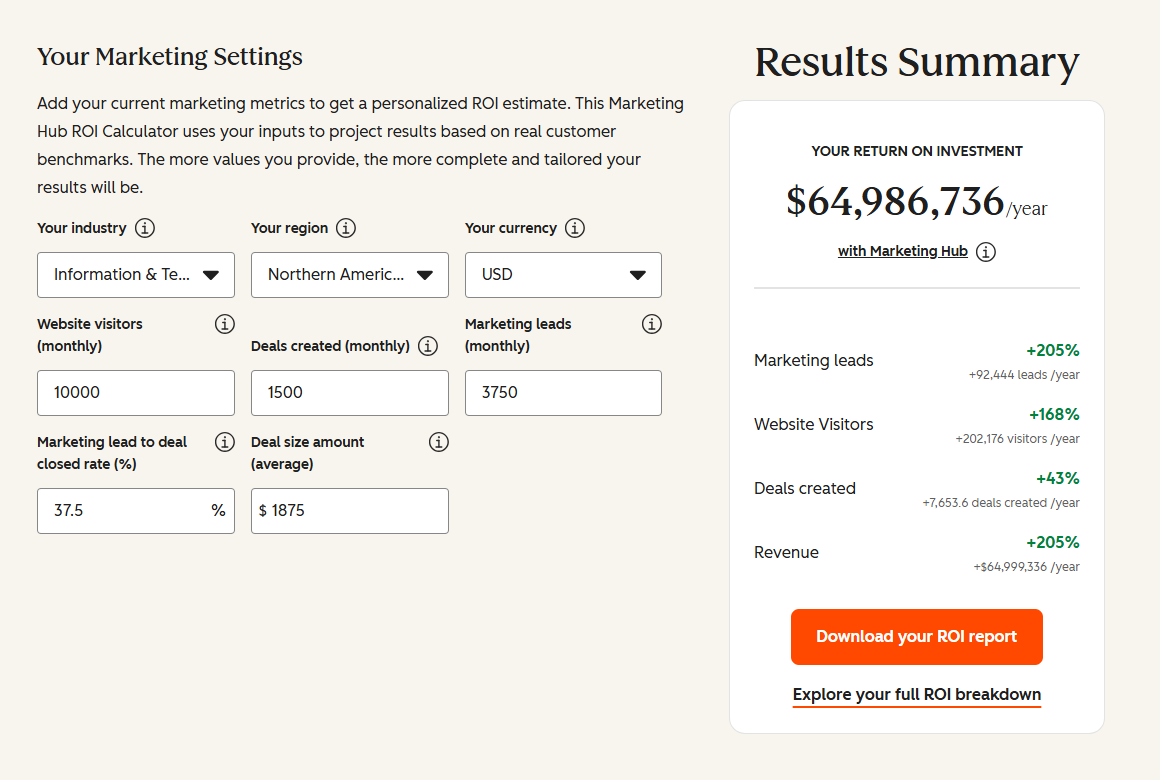
Connect the Rest of Your Contact Center Stack
This page already calls out education and admissions call centers as a strong fit; see our dedicated education industry work for more. Getting agents and supervisors onto the new workflow goes faster with HubSpot training and HubSpot onboarding right after go-live. Custom IVR mapping or disposition logic beyond the standard build often needs full-stack development work. Not sure what any of this is worth to your team? Run the numbers on our Integration ROI Calculator.

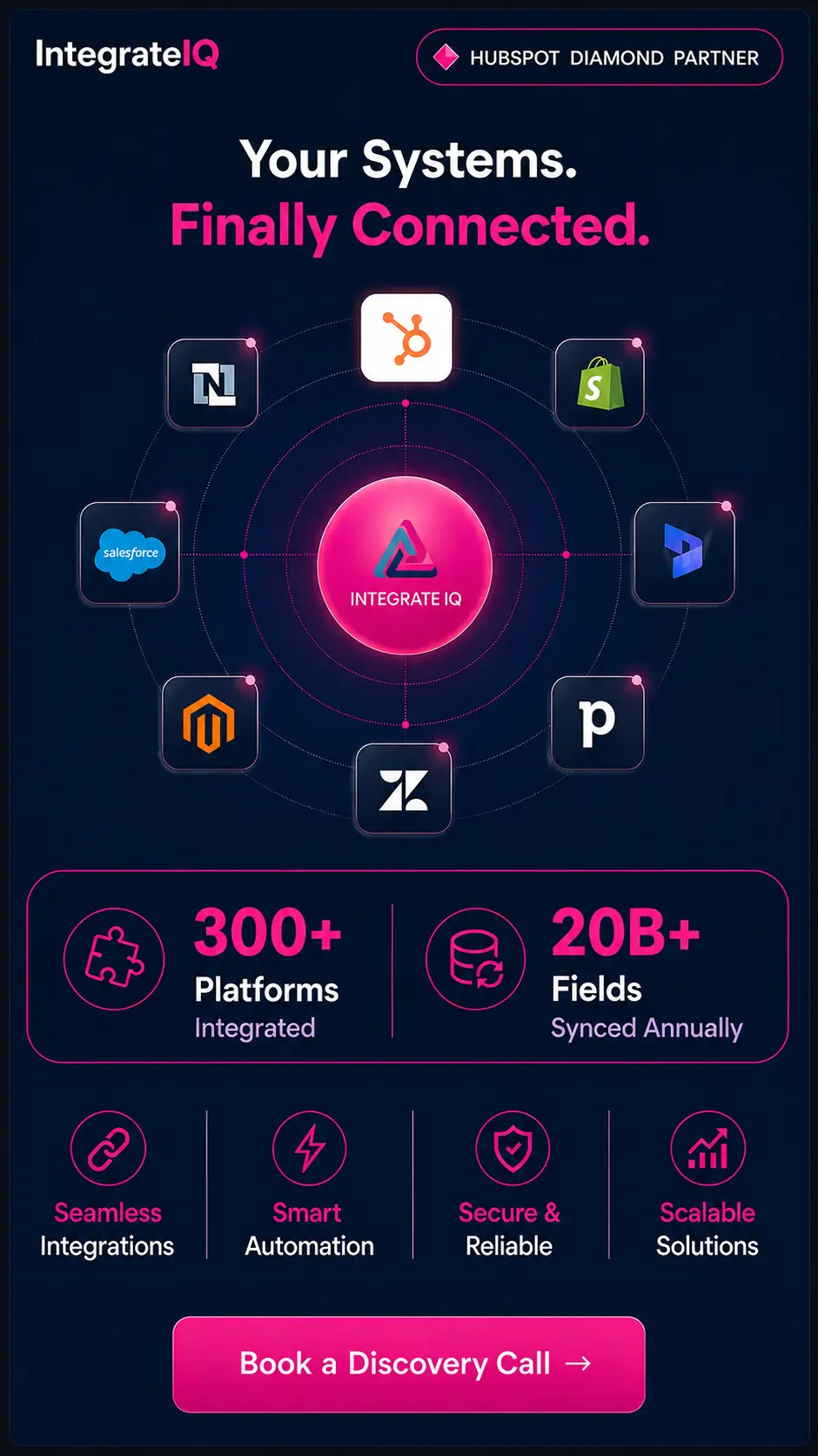
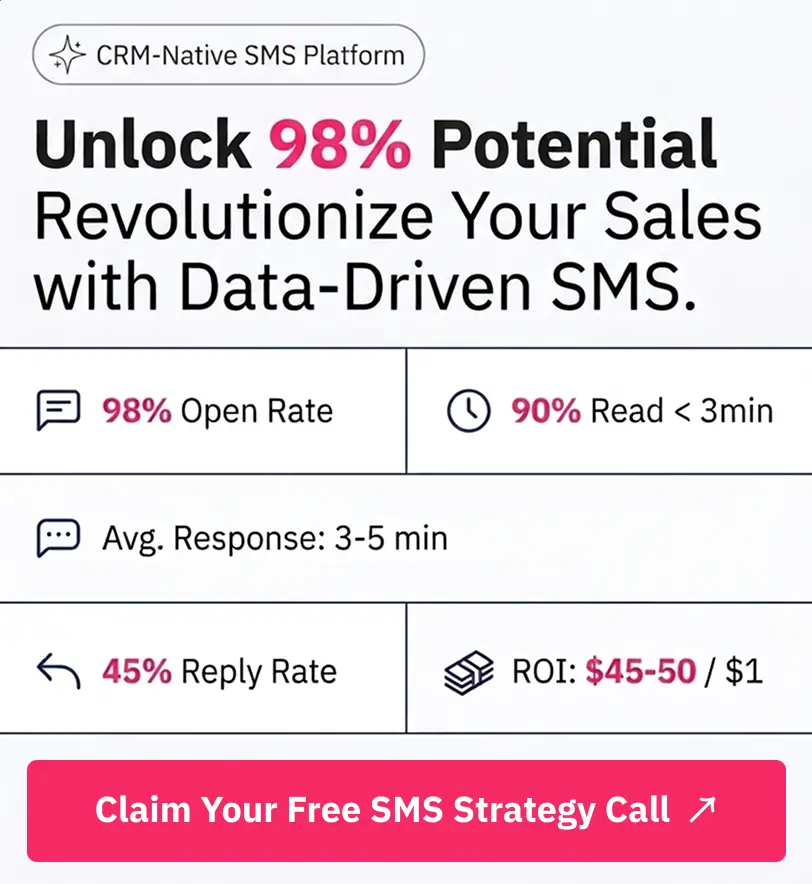
Table of Contents
- What is a HubSpot Five9 integration?
- How does the HubSpot Five9 integration work?
- Does Five9 have a native HubSpot integration?
- How long does a HubSpot Five9 integration take to build?
- Can HubSpot and Five9 sync bi-directionally?
- What happens if the integration breaks? Whose support do we call, Five9 or HubSpot?
- Contact Center Workflows You Can Automate Once Five9 Data Lives in HubSpot
- What Breaks in a Five9 HubSpot Sync, and How We Prevent It
- Connect the Rest of Your Contact Center Stack