















What is a HubSpot FreshBooks integration?
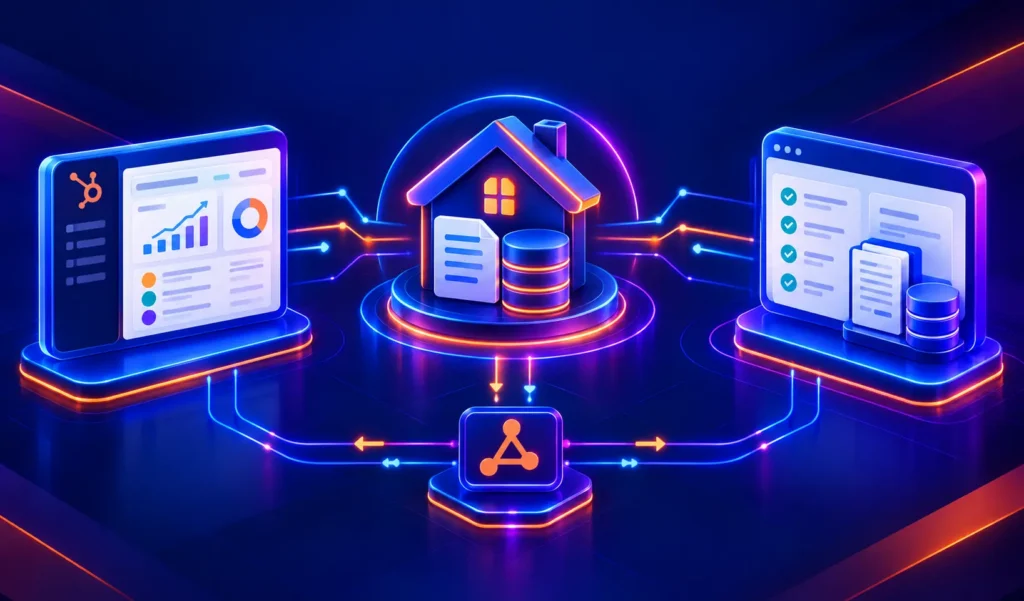
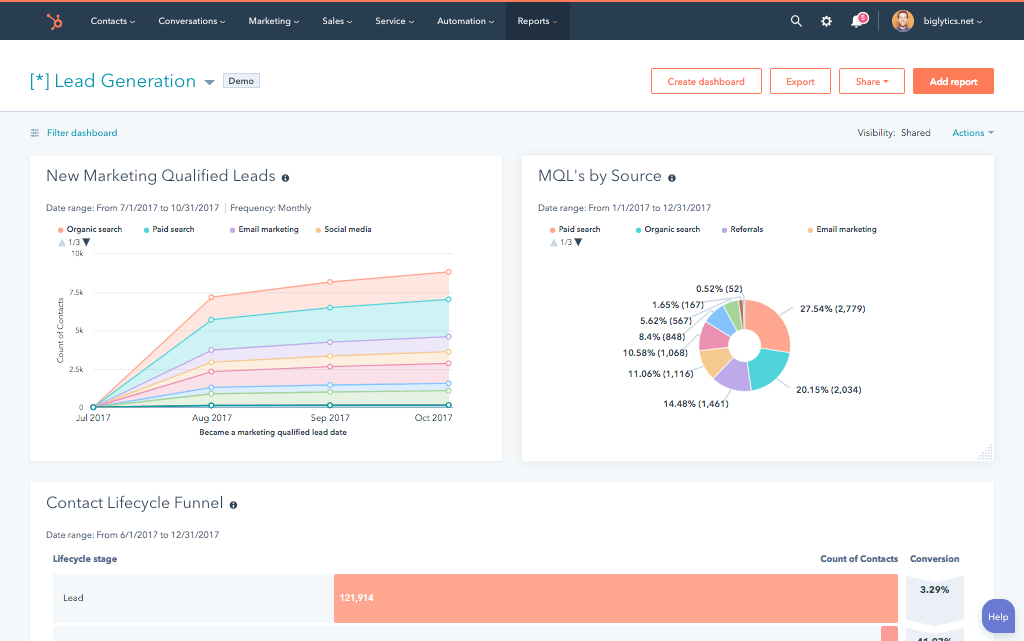
A HubSpot FreshBooks integration is a two-way data connection that syncs contacts, invoices, payments, and financial records between HubSpot and FreshBooks in near real time. It keeps invoice and payment status visible inside HubSpot and pushes deal and client details back to FreshBooks for accurate quote-to-cash reporting.
How does the HubSpot FreshBooks integration work?
It works through the HubSpot and FreshBooks REST APIs, using webhooks to catch invoice and payment events the moment they happen. Field mapping and deduplication logic assign a system of record for every object, so an update in either system writes to the other within minutes, not hours.

Turn HubSpot Into A Real-Time SMS Engine with Message IQ
 Two-Way Conversations
 Shared Team Inbox
 Automation Triggers
 Advanced Reporting
 Compliance Tools
- 98% SMS read within 3 min
- 78% Buy from first responder
- 21× More likely to qualify

*MessageIQ is an IntegrateIQ product – built natively for HubSpot by the same team.
Does HubSpot have a native FreshBooks integration?
Yes, HubSpot offers a native FreshBooks app that syncs clients and displays a contact’s 5 most recent invoices and payments. It does not sync full line items, custom fields, or handle FreshBooks Classic edge cases, and it cannot create invoices from HubSpot deals. Teams needing automated invoicing typically move to a custom-built integration.
How long does a HubSpot FreshBooks integration take to build?
A custom HubSpot FreshBooks integration takes about 8 weeks from kickoff to production. Discovery runs two weeks, build and staging tests run three, historical backfill runs one, and cutover with hypercare covers the final two weeks. Timelines extend for FreshBooks Classic migrations or high invoice volume.
Can HubSpot and FreshBooks sync bi-directionally?
Yes. Bi-directional sync is standard in a custom HubSpot FreshBooks integration. You define system of record at the field level, so invoice and payment status flows from FreshBooks to HubSpot, client and deal detail flows from HubSpot to FreshBooks, and conflicts resolve by rule rather than by whoever wrote last. The native app only syncs client records both ways.
What data can sync between HubSpot and FreshBooks?
Contacts, companies, deals, and custom objects sync alongside FreshBooks clients, invoices, line items, tax rates, payment terms, and custom fields, plus marketing activity, lifecycle stage, and lead score. Field mapping is configured per project so only relevant data flows, and FreshBooks Classic fields map through the same REST API as FreshBooks Plus.
How a HubSpot FreshBooks Integration Actually Works
A HubSpot FreshBooks integration works by giving each system a defined job: FreshBooks owns invoicing and payment truth, HubSpot owns the relationship and pipeline truth. The sync reads deal and client data through each platform’s REST API and writes changes to the other system within minutes of an update.
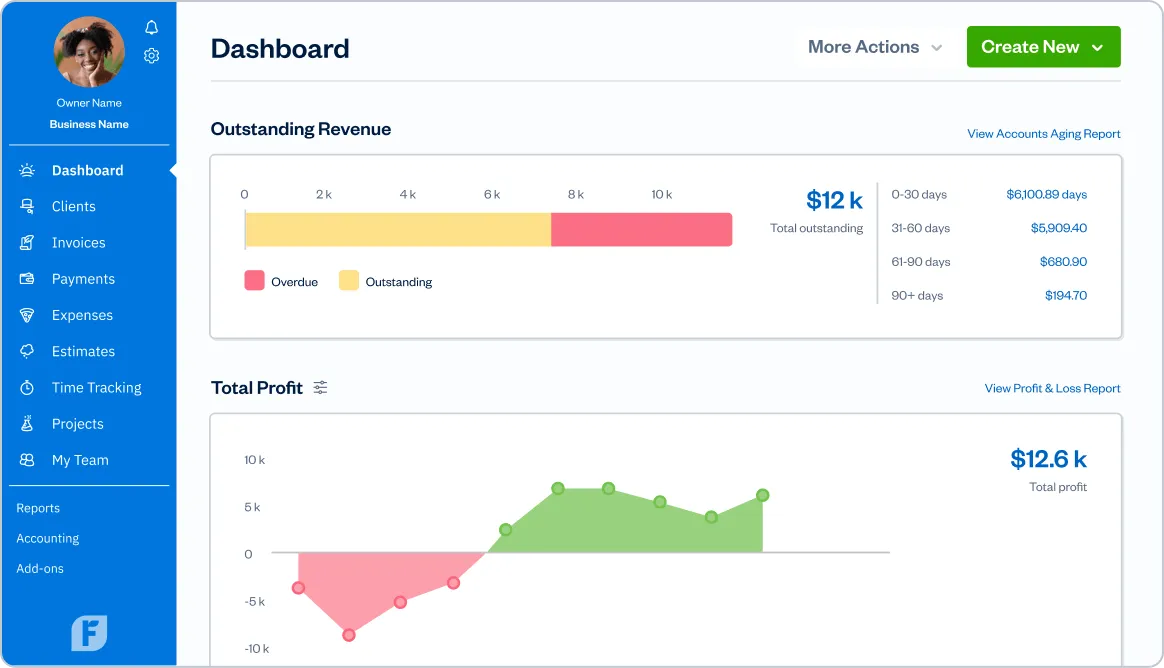
When a deal is marked Closed Won in HubSpot, the sync creates a FreshBooks invoice using the deal’s line items, pricing, and client details, no manual re-entry required. In the other direction, FreshBooks invoice status, payment events, and overdue flags write back to the HubSpot company or deal record, so sales and finance read the same numbers.
None of this happens by accident. Every field carries a defined system of record, so a FreshBooks payment update never overwrites a HubSpot-owned lifecycle stage, and a HubSpot property edit never silently changes an invoice that finance has already sent.
Three Ways to Connect FreshBooks and HubSpot
Not every team needs custom. Here is the honest comparison.
| Factor | Native Marketplace App | Zapier / iPaaS | Custom (Integrate IQ) |
|---|---|---|---|
| Best for | Basic client and recent-invoice visibility at very low volume | Simple one-trigger deal-to-invoice automation | Full quote-to-cash sync with real business logic |
| Sync direction | Client sync both ways, invoices HubSpot-visible only | Mostly one-way per Zap, bi-directional needs stacking multiple zaps | True bi-directional, system of record set at the field level |
| Custom objects/fields | Not supported, standard fields only | Possible but each field mapped and maintained by hand | Full custom object and custom field support, including FreshBooks Classic |
| Invoice & payment event accuracy | Shows only the 5 most recent invoices and payments per contact | Line items need extra Zap steps and break silently on schema change | Full line items, tax, and payment status synced and reconciled on every change |
| Business logic | None, the connector is fixed | Basic filters only, complex conditionals get brittle fast | Full support, e.g. only invoice when a custom field like Billing Approved is checked |
| Volume handling | Fine below a few hundred clients | Task-based pricing and rate limits add up at volume | Built for a client base moving 20B+ fields synced annually |
| Historical backfill | Not supported | Manual, one Zap run at a time | Full historical client, invoice, and payment backfill included |
| Maintenance | Vendor-maintained but breaks silently with no fix path | You own it, breaks whenever either API changes | Monitored and maintained by IntegrateIQ engineers post-launch |
If you only need client sync and a glance at recent invoices, the native app or a simple Zap is genuinely enough, don’t pay for custom you don’t need. Custom wins once you need automated invoice creation from closed deals, recurring billing logic, full line-item and tax detail, or historical backfill. Our customHubSpot integrationservices cover exactly that gap.
Revenue Workflows You Can Automate Once FreshBooks Data Lives in HubSpot
- Closed-Won to Invoice. A deal marked Closed Won in HubSpot triggers an automatic FreshBooks invoice with the correct client, line items, and pricing pulled straight from the deal, so nothing waits on manual entry.
- Overdue Invoice Follow-Up. When a FreshBooks invoice goes overdue, HubSpot automatically creates a task for the account owner with the invoice amount and days overdue, so collections happen before a client relationship sours.
- Payment-Confirmed Alerts. The moment a client pays in FreshBooks, HubSpot updates a custom property to Paid and can trigger internal notifications, giving sales instant visibility into who has actually settled up.
- Client-Record Deduplication. New FreshBooks clients match against existing HubSpot contacts and companies on sync, so a client created from an old estimate does not create a duplicate down the line.
- Retainer and Recurring Billing Sync. Deals tagged with a recurring or retainer property auto-create FreshBooks recurring invoice schedules, keeping subscription-style services billing aligned with what sales actually sold.
What Breaks in a FreshBooks HubSpot Sync, and How We Prevent It
- Duplicate records and identity resolution. We match FreshBooks clients to HubSpot contacts and companies on email and account ID before creating anything new, so a re-synced client never spawns a duplicate record.
- System-of-record conflicts. Every field carries a defined owner. A FreshBooks payment update never overwrites a HubSpot-owned lifecycle stage, and a HubSpot edit never silently changes an invoice finance has already sent.
- Field mapping and status value drift. FreshBooks invoice statuses (Draft, Sent, Overdue, Paid) map to explicit HubSpot property values instead of display labels, so a status rename in FreshBooks does not silently break a HubSpot report.
- Invoice and payment-event drift. FreshBooks fires invoice and payment webhooks that can arrive out of order or duplicate on retries. We checkpoint every webhook and reconcile against FreshBooks’ own invoice state before writing anything to HubSpot.
- API rate limits at volume. Across our client base we move 20 billion plus fields synced annually, so we batch, checkpoint, and throttle by design instead of by accident.
Implementation Timeline: What to Expect
Most HubSpot FreshBooks integrations complete inside eight weeks of kickoff. The first two weeks cover discovery: object inventory in both systems, field-by-field mapping, system of record decisions, and a check of whether you are on FreshBooks Classic or FreshBooks Plus. Weeks three to five are build and unit testing against a staging FreshBooks instance and a HubSpot sandbox. Week six runs the historical backfill and reconciliation. Weeks seven and eight cover user acceptance testing, cutover, and hypercare. Post-launch monitoring is included, so if a FreshBooks configuration changes or HubSpot pushes an API update, we see it before your reports do. Full detail is on our HubSpot integration process page and 98.5% of clients renew for a follow-on scope.
See your 12-month revenue impact with HubSpot CRM
Enter your current numbers — visitors, leads, deal size — and get a personalized projection based on real HubSpot customer benchmarks.
Calculate My ROI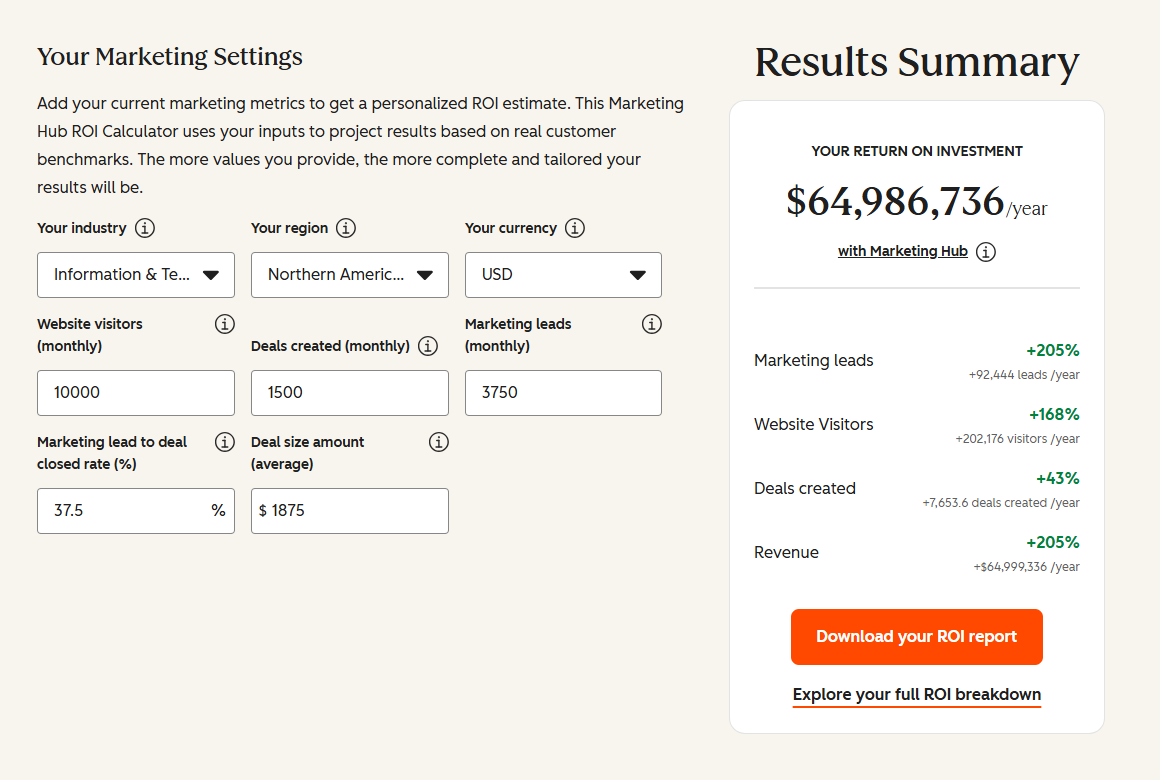
Connect the Rest of Your Revenue Stack
Most FreshBooks users are also running a payment processor and a broader revenue stack worth connecting. If your team accepts payments through Stripe, a HubSpot Stripe integration closes the loop between processor-level payment events and HubSpot deal records. Teams that outgrow FreshBooks as they scale often move to QuickBooks, and our HubSpot QuickBooks integration covers that path. If you are weighing a jump straight to enterprise ERP instead, our HubSpot vs NetSuite comparison lays out the tradeoffs. For any of these builds, our custom HubSpot integration services page covers process and pricing, and the Integration ROI Calculator estimates the payback on automating invoice-to-cash.

Table of Contents
- What is a HubSpot FreshBooks integration?
- How does the HubSpot FreshBooks integration work?
- Does HubSpot have a native FreshBooks integration?
- How long does a HubSpot FreshBooks integration take to build?
- Can HubSpot and FreshBooks sync bi-directionally?
- What data can sync between HubSpot and FreshBooks?
- How a HubSpot FreshBooks Integration Actually Works
- Three Ways to Connect FreshBooks and HubSpot
- Revenue Workflows You Can Automate Once FreshBooks Data Lives in HubSpot
- What Breaks in a FreshBooks HubSpot Sync, and How We Prevent It
- Implementation Timeline: What to Expect
- Connect the Rest of Your Revenue Stack