






































What is a HubSpot NextGen Healthcare integration?
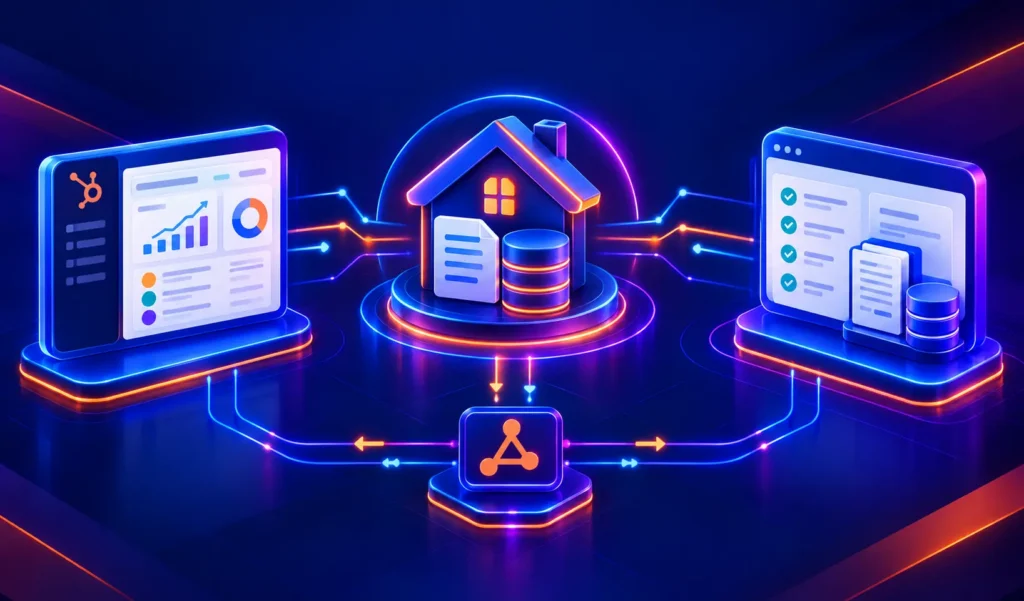
A HubSpot NextGen Healthcare integration is a two-way data connection that syncs patients, appointments, referrals, and provider records between HubSpot and NextGen in near real time. It keeps clinical scheduling and referral status visible inside HubSpot and pushes qualified web leads back to NextGen for patient intake and recall marketing.
How does the HubSpot NextGen Healthcare integration work?
It works through the HubSpot and NextGen REST APIs, with field mapping, patient-match deduplication, and a defined system of record for every object. When a patient or appointment record updates in either system, the sync writes the change to the other within minutes, filtered by signed marketing consent.

Turn HubSpot Into A Real-Time SMS Engine with Message IQ
 Two-Way Conversations
 Shared Team Inbox
 Automation Triggers
 Advanced Reporting
 Compliance Tools
- 98% SMS read within 3 min
- 78% Buy from first responder
- 21× More likely to qualify

*MessageIQ is an IntegrateIQ product – built natively for HubSpot by the same team.
Does HubSpot have a native NextGen Healthcare integration?
No. HubSpot does not maintain a first-party NextGen connector. Marketplace and iPaaS tools handle basic one-way form-to-record sync but lack consent-aware PHI filtering, custom clinical object support, and bi-directional field logic. Practice groups needing referral tracking or recall automation typically move to a custom-built integration.
How long does a HubSpot NextGen Healthcare integration take to build?
A custom HubSpot NextGen Healthcare integration takes about 8 weeks from kickoff to production. Discovery runs two weeks, build and staging tests run three, historical patient and appointment backfill runs one, and cutover with hypercare covers the final two weeks. Timelines extend for multi-location or high-volume practices.
Can HubSpot and NextGen Healthcare sync bi-directionally?
Yes. Bi-directional sync is standard in a custom HubSpot NextGen Healthcare integration. You define system of record at the field level, so appointment and clinical status flow from NextGen, marketing engagement and lifecycle stage flow from HubSpot, and conflicts resolve by rule rather than by whichever system wrote last.
What data can sync between HubSpot and NextGen Healthcare?
Patients, appointments and encounters, referring providers, insurance payers, provider and resource records, and clinical filters like department or location, plus HubSpot marketing activity, lifecycle stage, and lead score. Field mapping is configured per project so only consented data flows and each field has a clear owner.
How a HubSpot NextGen Healthcare Integration Actually Works
A HubSpot NextGen Healthcare integration connects two systems that should never fight over the same data. NextGen owns clinical truth: patients, appointments, encounters, and provider records. HubSpot owns relationship truth: marketing engagement, lifecycle stage, and campaign source. The integration keeps each system authoritative for its own domain instead of forcing one to guess at the other.
Data moves in both directions on a schedule that fits the object. New web leads and signed consent forms push from HubSpot into NextGen as patient records, ready for front-desk scheduling. Appointment status, Last Visit Date, referral outcome, and Diagnosis Code pull from NextGen back into HubSpot, where they trigger recall campaigns, no-show recovery, and provider attribution reporting.
Nothing syncs by accident. Every field carries a signed-off owner and a consent rule, so a patient without a marketing consent flag never lands in a HubSpot workflow and a HubSpot form edit never overwrites a clinical status set inside NextGen. That field-level control is what keeps the sync both useful for growth and safe for PHI.
Three Ways to Connect NextGen Healthcare and HubSpot
Not every team needs custom. Here is the honest comparison.
| Factor | Native Marketplace App | Zapier / iPaaS | Custom (Integrate IQ) |
|---|---|---|---|
| Best for | Solo practices testing basic HubSpot form-to-patient sync | Multi-location groups needing quick, no-code HIPAA workflows | Practice groups and health systems with complex clinical logic |
| Sync direction | One-way, HubSpot to NextGen only | Bi-directional, but per-workflow not per-field | Bi-directional, field-level system of record rules |
| Custom objects/fields | Standard patient fields only | Limited custom field mapping | Full custom object and field support, including clinical filters |
| PHI handling and consent filters | No consent-aware filtering, syncs all or nothing | Basic filters, manual BAA setup per workflow | Built-in consent flag filtering, minimum-necessary PHI, signed BAA |
| Business logic | None, straight field copy | Simple if-then rules | Full custom logic: referral attribution, recall triggers, no-show rules |
| Volume handling | Struggles above a few thousand patients | Rate-limited by the iPaaS tier | Built for multi-location, high-volume appointment data |
| Historical backfill | Not supported | Manual, one-time only | Included, with reconciliation against NextGen source data |
| Maintenance | You own it, breaks silently on API changes | You own workflow upkeep as NextGen updates | Included monitoring, alerts, and retry logic |
A solo practice syncing a handful of leads a month can get by on a marketplace app or a Zapier-built workflow. Once a group runs multiple locations, tracks referral sources, or needs consent-aware PHI filtering before anything touches HubSpot, custom is the only option that holds up under an audit. Our custom HubSpot integration services are built for exactly that second case.
Patient Workflows You Can Automate Once NextGen Data Lives in HubSpot
- Lead-to-patient intake. A qualified web form fill in HubSpot creates a new patient record in NextGen automatically, so front-desk staff never re-key a name, DOB, or insurance detail during intake.
- Referral loop closure. A referring provider drives a patient to book, NextGen marks the appointment kept or no-showed, and that status flows back to HubSpot so marketing can report which referral sources actually convert.
- No-show and cancellation recovery. NextGen flags an appointment as cancelled or no-show, HubSpot fires an immediate re-booking sequence to that patient, and the provider’s schedule stays full instead of sitting empty.
- Recall and preventative care campaigns. NextGen’s Last Visit Date or Diagnosis Code crosses a threshold, HubSpot enrolls the patient in a timed recall or preventative-care email series, and the practice fills its schedule with return visits.
- Post-visit experience loop. NextGen marks a visit Checked Out, HubSpot waits 24 hours and sends a satisfaction survey or review request, and the practice builds review volume without a manual follow-up task.
What Breaks in a NextGen Healthcare HubSpot Sync, and How We Prevent It
- Duplicate patient records. We match on Name plus DOB plus Email or MRN before ever creating a new NextGen patient, so the same person never ends up as two clinical records.
- System-of-record conflicts. We define, field by field, whether NextGen or HubSpot owns the value, so an appointment status update never gets silently overwritten by a stale marketing edit.
- Appointment and status value drift. NextGen and HubSpot model appointment types and statuses differently. We build a mapped translation layer so a Checked Out status in NextGen always means the same thing in HubSpot.
- PHI exposure and consent drift. Patient records carry protected health information that HubSpot was never scoped to hold. We filter every sync against signed marketing consent flags and apply minimum-necessary field rules so only what a BAA covers ever lands in HubSpot.
- API rate limits at volume. Across our client base we move 20 billion plus fields synced annually, so we batch, checkpoint, and throttle by design instead of by accident, even across multi-location patient databases.
Implementation Timeline: What to Expect
Most HubSpot NextGen Healthcare integrations complete inside eight weeks of kickoff. The first two weeks cover discovery: patient and appointment object inventory in both systems, field-by-field mapping, system of record decisions, and confirming which consent flags gate PHI before it ever reaches HubSpot. Weeks three to five are build and unit testing against a staging NextGen instance and a HubSpot sandbox. Week six runs the historical patient and appointment backfill and reconciliation. Weeks seven and eight cover user acceptance testing, cutover, and hypercare. Post-launch monitoring is included, so if a NextGen configuration changes or HubSpot pushes an API update, we see it before your front desk does. Full detail is on our HubSpot integration process page, and 98.5% of clients renew for a follow-on scope.
See your 12-month revenue impact with HubSpot CRM
Enter your current numbers — visitors, leads, deal size — and get a personalized projection based on real HubSpot customer benchmarks.
Calculate My ROI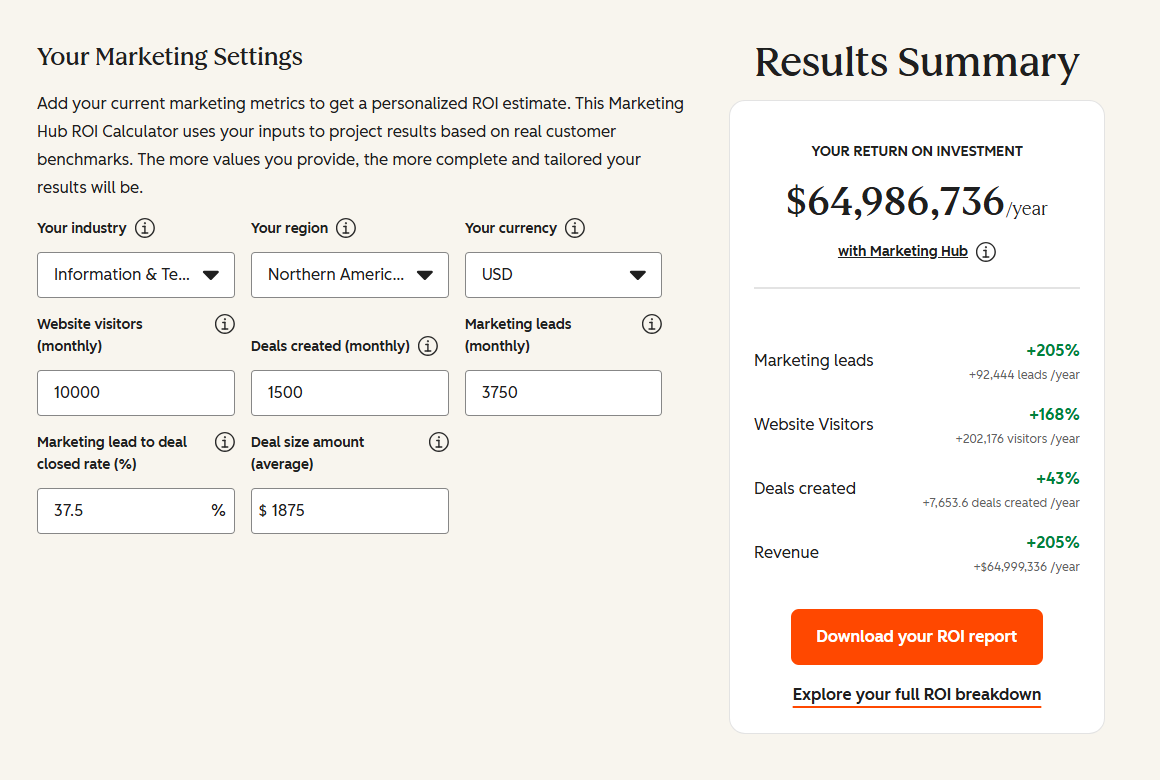
Connect the Rest of Your Revenue Stack
NextGen isn’t usually the only system feeding your growth stack. If your practice group is also weighing a move off a legacy sales CRM, our custom HubSpot integration services and CRM migration services cover that transition cleanly. See how we approach healthcare specifically on our HubSpot for healthcare industry page (https://integrateiq.com/industries/healthcare/), walk the exact build sequence on our HubSpot integration process page, and if you’re comparing HubSpot against a healthcare-flavored Salesforce build, our HubSpot vs Salesforce comparison lays out the tradeoffs. Run your own numbers first with the integration ROI calculator.

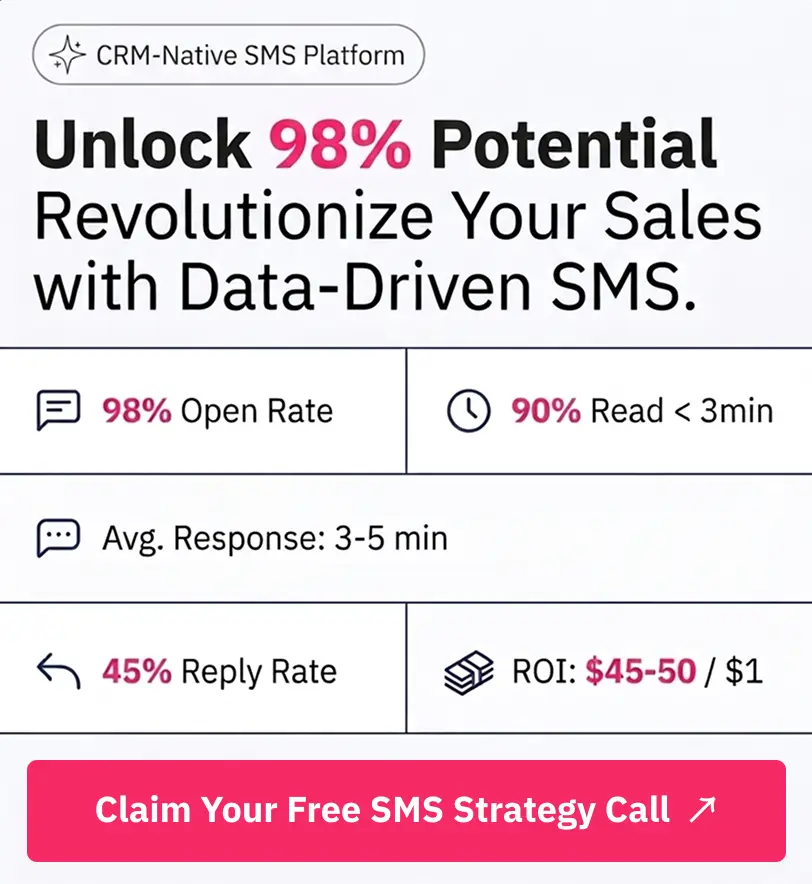
Table of Contents
- What is a HubSpot NextGen Healthcare integration?
- How does the HubSpot NextGen Healthcare integration work?
- Does HubSpot have a native NextGen Healthcare integration?
- How long does a HubSpot NextGen Healthcare integration take to build?
- Can HubSpot and NextGen Healthcare sync bi-directionally?
- What data can sync between HubSpot and NextGen Healthcare?
- How a HubSpot NextGen Healthcare Integration Actually Works
- Three Ways to Connect NextGen Healthcare and HubSpot
- Patient Workflows You Can Automate Once NextGen Data Lives in HubSpot
- What Breaks in a NextGen Healthcare HubSpot Sync, and How We Prevent It
- Implementation Timeline: What to Expect
- Connect the Rest of Your Revenue Stack