







































What is a HubSpot Plain integration?
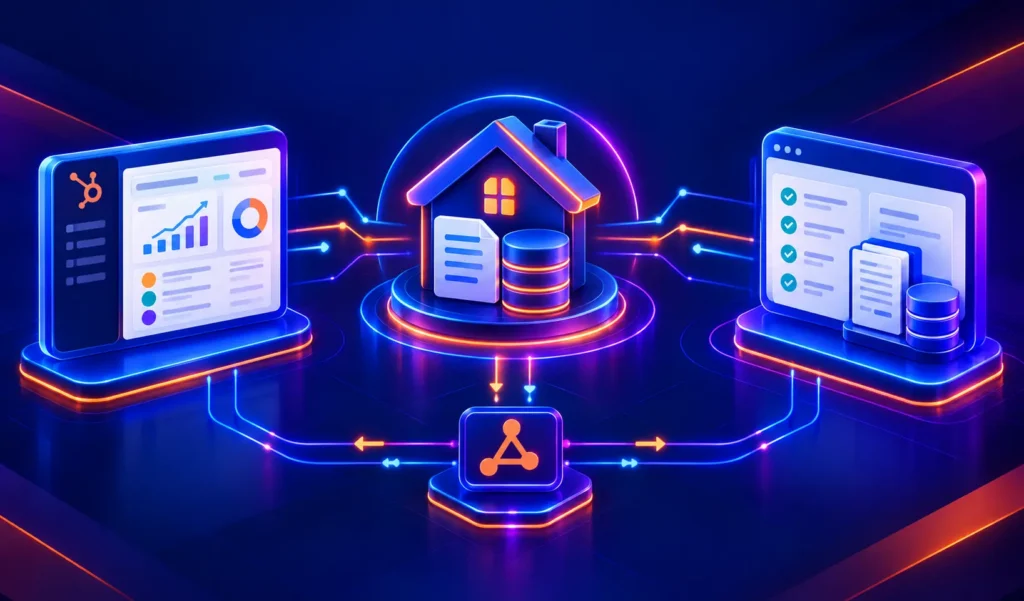
A HubSpot Plain integration connects your API-first customer support platform to your CRM, syncing customer context, support thread activity, and account health signals so sales, support, and engineering teams share the same picture of a customer relationship.
How does the HubSpot Plain integration work?
The integration maps HubSpot contacts, companies, and deals to Plain customers, threads and labels. HubSpot deal and account data can appear directly in the Plain sidebar for support context, while thread activity, labels, and resolution status sync back to HubSpot for account management and health scoring.

Turn HubSpot Into A Real-Time SMS Engine with Message IQ
 Two-Way Conversations
 Shared Team Inbox
 Automation Triggers
 Advanced Reporting
 Compliance Tools
- 98% SMS read within 3 min
- 78% Buy from first responder
- 21× More likely to qualify

*MessageIQ is an IntegrateIQ product – built natively for HubSpot by the same team.
Does Plain have a native HubSpot integration?
Yes, in a limited form. Plain’s own developer documentation confirms it offers a first-party HubSpot integration that automatically creates a HubSpot ticket when a new thread is created in Plain. Beyond that specific action, the documented scope doesn’t extend to thread resolution, label-based routing, or health scoring.
What does Plain’s official HubSpot integration actually do?
According to Plain’s own documentation, its first-party HubSpot integration creates a HubSpot ticket the moment a new thread starts in Plain. It doesn’t cover syncing thread resolution, custom labels, health scoring, or account-level context back into HubSpot, which is where a custom integration extends the relationship further.
How long does a HubSpot Plain integration take to build?
A custom HubSpot Plain integration typically takes 6 to 8 weeks: 1 to 2 weeks of discovery and webhook architecture design, 3 weeks of build and staging, and the remaining weeks for testing and go-live support.
Can Plain’s GraphQL API connect directly to HubSpot’s GraphQL API?
No. Plain’s webhooks and API are GraphQL-native, but HubSpot’s own GraphQL endpoint is scoped to CMS content and HubDB tables only, not general CRM data. HubSpot contacts, tickets, and deals are managed through its REST API, so an integration needs to bridge GraphQL and REST explicitly rather than connecting the two directly.
Additional Support-to-Revenue Workflows You Can Automate Once Plain Data Lives in HubSpot
This page already covers instant customer context, seamless hand-offs, synced contact details, timeline visibility, automated escalation, and health scoring. The five below are deliberately new.
- Beyond Thread-Creation: Full Lifecycle Sync Past the First-Party Scope. Since Plain’s own first-party HubSpot integration only creates a ticket when a thread is created, a custom integration extends sync to thread resolution, label changes, and reassignment events, none of which the first-party integration covers.
- GraphQL-to-REST Bridge Architecture. Since Plain’s webhooks are GraphQL-native but HubSpot’s CRM objects are managed through its REST API, not its CMS-only GraphQL endpoint, the integration is built with an explicit translation layer rather than assuming a direct GraphQL-to-GraphQL connection is possible.
- Execution-Time-Safe Workflow Design. Since real-world reports confirm HubSpot custom workflow actions handling inbound external data can hit execution time limits even for modest datasets, the integration processes and batches Plain webhook payloads outside of HubSpot’s native workflow action execution window, avoiding silent timeout failures.
- Engineering Effort Estimation on the Deal Record. Beyond flagging a technical blocker, HubSpot can surface an estimated engineering effort or complexity tag pulled from Plain thread labels, helping account managers set realistic expectations with customers about resolution timing before a renewal conversation.
- Cross-Tenant Account Health Rollup. For B2B customers with multiple Plain tenants or sub-accounts under one HubSpot company record, health scoring and support volume can roll up to the parent company level, rather than fragmenting technical health across separate tenant views.
What Breaks in a Plain HubSpot Sync, and How We Prevent It
This section is currently absent from the page entirely.
- Duplicate records and identity resolution. A customer contacting support through a different email than their HubSpot contact record can create a duplicate or orphaned Plain customer profile. We match on multiple stable identifiers, not email alone.
- System-of-record conflicts. A support engineer may update a thread’s status directly in Plain while a HubSpot workflow still reflects an earlier state, delaying an account manager’s awareness of resolution. We define clear field ownership and sync timing so the two don’t drift.
- Plain’s own first-party HubSpot integration has a narrow scope. Plain’s own developer documentation confirms its first-party HubSpot integration automatically creates HubSpot tickets when Plain threads are created, but that is the extent of its documented scope. It doesn’t cover thread resolution, label changes, health scoring, or the deeper account-context workflows this page describes. A custom integration is what extends coverage past that starting point.
- GraphQL and REST aren’t interchangeable between the two platforms. Plain’s API and webhook system are GraphQL-native, but HubSpot’s own GraphQL endpoint is scoped to CMS content and HubDB tables only, not general CRM access; HubSpot’s CRM objects, contacts, tickets, deals, are managed through its REST API. An integration architecture needs to explicitly bridge these two API styles rather than assuming a direct GraphQL-to-GraphQL connection.
- HubSpot workflow action execution time limits on inbound external data. Real, documented reports confirm HubSpot custom workflow actions handling data from an external GraphQL API can hit execution time limits even with modest data volumes, since end-to-end request and processing time can exceed HubSpot’s allowed window. We process and batch incoming Plain data outside HubSpot’s native workflow execution constraints to avoid this.
See your 12-month revenue impact with HubSpot CRM
Enter your current numbers — visitors, leads, deal size — and get a personalized projection based on real HubSpot customer benchmarks.
Calculate My ROI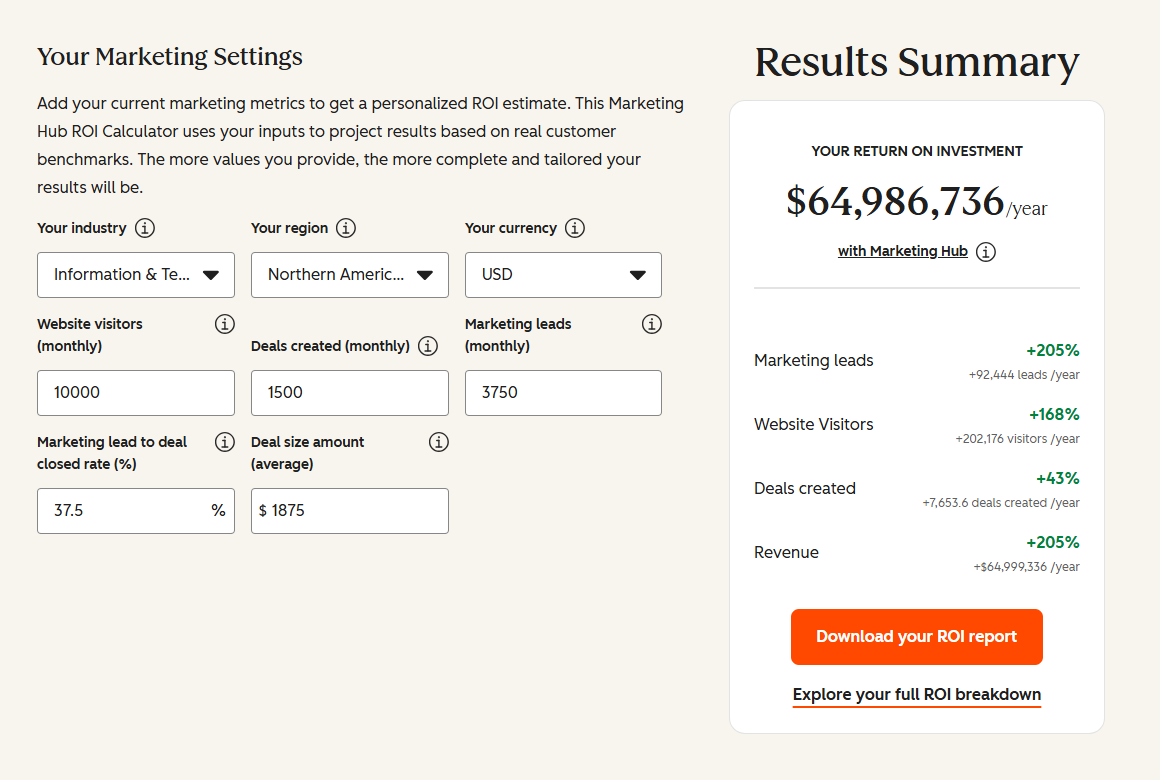
Connect the Rest of Your GTM Stack
Custom health-scoring or cross-tenant rollup logic beyond the standard build often needs full-stack development support. Getting support, engineering, and revenue teams aligned on the new workflow goes faster with HubSpot training. Migrating off a legacy CRM at the same time? Our CRM migration services cover that too. Not sure what any of this is worth to your team? Run the numbers on our Integration ROI Calculator.

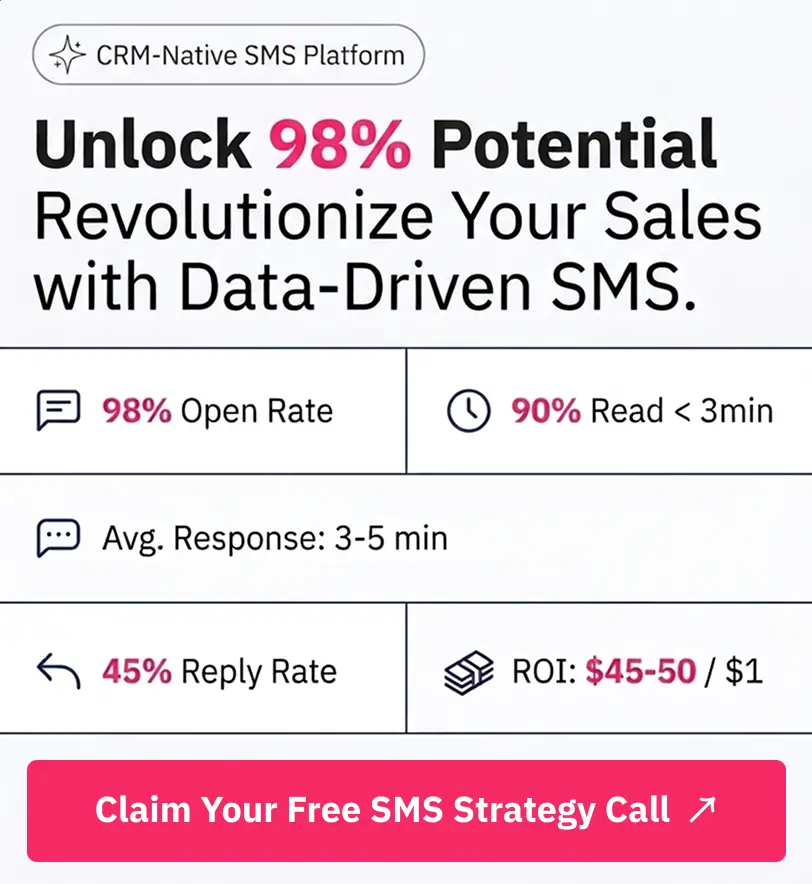
Table of Contents
- What is a HubSpot Plain integration?
- How does the HubSpot Plain integration work?
- Does Plain have a native HubSpot integration?
- What does Plain’s official HubSpot integration actually do?
- How long does a HubSpot Plain integration take to build?
- Can Plain’s GraphQL API connect directly to HubSpot’s GraphQL API?
- Additional Support-to-Revenue Workflows You Can Automate Once Plain Data Lives in HubSpot
- What Breaks in a Plain HubSpot Sync, and How We Prevent It
- Connect the Rest of Your GTM Stack