











































What is a HubSpot Remote integration?
A HubSpot Remote integration connects your recruiting pipeline to Remote’s global Employer of Record and contractor management platform, syncing hiring, onboarding and contract status so recruiting, HR, and finance teams share one accurate view of every global hire.
How does the HubSpot Remote integration work?
The custom HubSpot integration maps HubSpot contacts, deals, and companies to Remote’s employees, contractors, contracts, and entities. A deal marked “Offer Accepted” in HubSpot can push candidate details to Remote to draft the employment or contractor agreement, while contract and onboarding status sync back to the HubSpot contact record.

Turn HubSpot Into A Real-Time SMS Engine with Message IQ
 Two-Way Conversations
 Shared Team Inbox
 Automation Triggers
 Advanced Reporting
 Compliance Tools
- 98% SMS read within 3 min
- 78% Buy from first responder
- 21× More likely to qualify

*MessageIQ is an IntegrateIQ product – built natively for HubSpot by the same team.
Does HubSpot have a native Remote integration?
No dedicated native app exists in HubSpot’s marketplace for Remote specifically. Most businesses connecting the two platforms build a custom integration against Remote’s API rather than relying on a generic connector.
Can a hiring record move backward in HubSpot if an offer falls through?
Not automatically. HubSpot’s lifecycle stage property is designed to move forward by default and doesn’t natively support regression. If a hire falls through after being marked further along the pipeline, an offer rescinded before the start date, the record needs explicit custom logic to reflect that accurately, since the default behavior won’t handle it.
How long does a HubSpot Remote integration take to build?
A custom HubSpot Remote integration typically takes 8 weeks: 2 weeks of discovery and field mapping, 3 weeks of build and staging, and the remaining weeks for testing and go-live support.
Can HubSpot and Remote sync bi-directionally?
Yes. A custom integration can push new hire and contract details from HubSpot into Remote, and pull contract status, onboarding progress, and entity or department data from Remote back into HubSpot. Direction and timing are configurable per object.
Three Ways to Connect Remote and HubSpot
Not every team needs custom, but Remote doesn’t offer the packaged options most other platforms do. Here is the honest comparison, currently absent from the page.
| Factor | No Packaged Connector | Generic iPaaS (Zapier / Make) | Custom Integration (Integrate IQ) |
|---|---|---|---|
| Best for | Manual exports for occasional hires | Simple one-way trigger automation for basic contact creation | Companies hiring at volume across multiple countries and entities |
| API rate limit isolation | Not applicable | Shared with every other customer on that platform’s connector | Dedicated OAuth app with its own isolated rate limit allocation |
| Lifecycle stage regression handling | Manual, error-prone | Not supported, HubSpot’s default forward-only behavior applies | Explicit logic to handle a hire falling through or a contract ending early |
| Sync direction | None, manual | One-way per trigger, several needed for two-way | True bi-directional, configurable per object |
| Business logic | None | Basic conditional logic | Custom rules, e.g. contractor vs. employee routing, IP assignment tracking, benefits enrollment nudges |
| Volume handling | Manual, doesn’t scale | Struggles at hiring-surge volume, shared rate limits | Built for hiring surges across multiple entities without timeouts |
| Maintenance | None needed, but no value either | You manage it | Monitored, maintained, and supported |
If you’re hiring occasionally and can live with manual entry, that may hold for now. Once you’re hiring at volume across multiple countries, or a shared iPaaS rate limit pool starts causing unrelated failures, a custom integration is what keeps global hiring data accurate and isolated from other companies’ problems.
Global Hiring Workflows You Can Automate Once Remote Data Lives in HubSpot
- IP Assignment Confirmation Tracking. Since Remote’s IP Guard automatically secures IP rights with every contract, HubSpot can log confirmation of IP assignment completion on the deal or contact record, giving legal and product teams a clean audit trail of when IP protection was actually finalized for each hire, not just when the contract was signed.
- Benefits Enrollment Completion Nudges. Using Remote’s Global Benefits Administration data, HubSpot can flag new hires who haven’t completed benefits enrollment within a set window post-onboarding, triggering an HR outreach task instead of a silent gap in coverage.
- Lifecycle Stage Regression Handling for Failed Onboarding. Since HubSpot’s lifecycle stages only move forward by default, a hire who falls through before their start date, an offer rescinded, a candidate backing out, needs explicit handling to move the record backward without corrupting reporting, something the platform doesn’t do automatically.
- Entity and Department Cost Center Attribution. Remote’s Entities and Departments data can attribute the true cost of a global hire to the correct internal cost center in HubSpot reporting, distinct from a generic “recruiting source” attribution.
- Contract Renewal and Term-End Alerts for Fixed-Term Engagements. For contractors or fixed-term employees with defined contract end dates in Remote, HubSpot automatically creates a renewal-decision task for the hiring manager well ahead of the term ending, rather than the contract silently lapsing.
What Breaks in a Remote HubSpot Sync, and How We Prevent It
- Duplicate records and identity resolution. A candidate who applies through a job board and is separately entered into Remote by HR can create duplicate HubSpot contacts. We match on a stable identifier, not name or email matching alone.
- System-of-record conflicts. HR may update an employee’s department in Remote while a HubSpot workflow still reflects the original hiring deal’s data. We define Remote as the source of truth for employment and compliance fields, HubSpot for relationship and recruiting-pipeline fields, with locked writes.
- HubSpot lifecycle stages only move forward by default. HubSpot’s lifecycle stage property is designed to progress forward, Lead to Customer, for example, and doesn’t natively support moving backward. If a hire falls through after being marked “Onboarded” but before their actual start date, the record needs explicit custom logic to reflect that regression accurately, since the default behavior won’t do it automatically.
- Shared API rate limits on generic iPaaS tools. Teams using Zapier or Make to connect Remote and HubSpot share HubSpot API rate limits with every other customer on that platform’s connector, meaning a completely unrelated company’s misbehaving integration can cause your own sync to fail. A custom integration uses its own dedicated OAuth app and rate limit allocation, isolated from other companies’ usage.
- API rate limits at hiring-surge volume. Companies running large hiring pushes, a new office launch, a big funding round, can generate dozens of onboarding events in a short window. Across 300+ platform integrations moving 20 billion plus fields annually, we design for these hiring surges specifically, not average steady-state volume.
Implementation Timeline: What to Expect
Most HubSpot Remote integrations ship in 8 weeks. The first 2 weeks cover discovery and field mapping, including which entities and departments are in scope. The next 3 weeks cover build and staging. The remaining weeks cover testing, historical data backfill, and go-live support. Our HubSpot integration process is the same repeatable framework behind our 98.5% client retention rate.
See your 12-month revenue impact with HubSpot CRM
Enter your current numbers — visitors, leads, deal size — and get a personalized projection based on real HubSpot customer benchmarks.
Calculate My ROI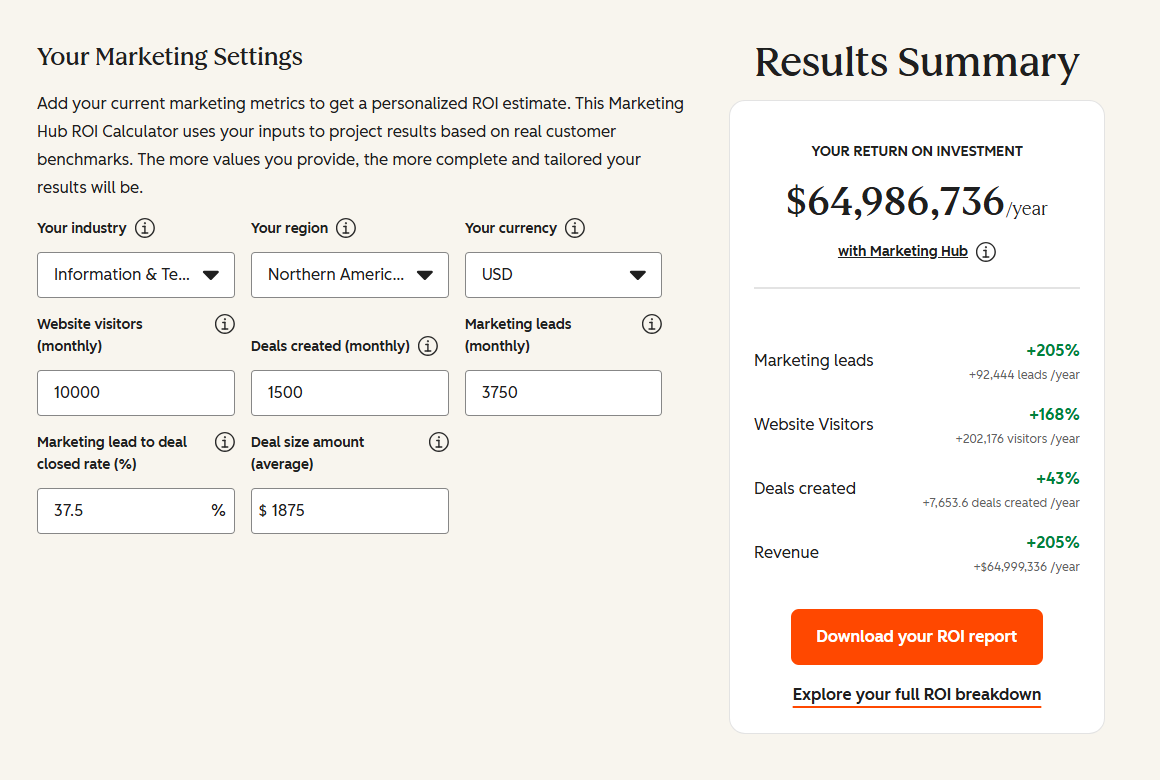
Connect the Rest of Your HR and Revenue Stack
See our dedicated recruiting and staffing industry work for the broader global hiring picture. Custom contractor/employee routing logic or entity-based cost attribution beyond the standard build often needs full-stack development support. Getting recruiting and HR teams onto the new workflow goes faster with HubSpot training. Migrating off a legacy CRM at the same time? Our CRM migration services cover that too. Not sure what any of this is worth to your team? Run the numbers on our Integration ROI Calculator.

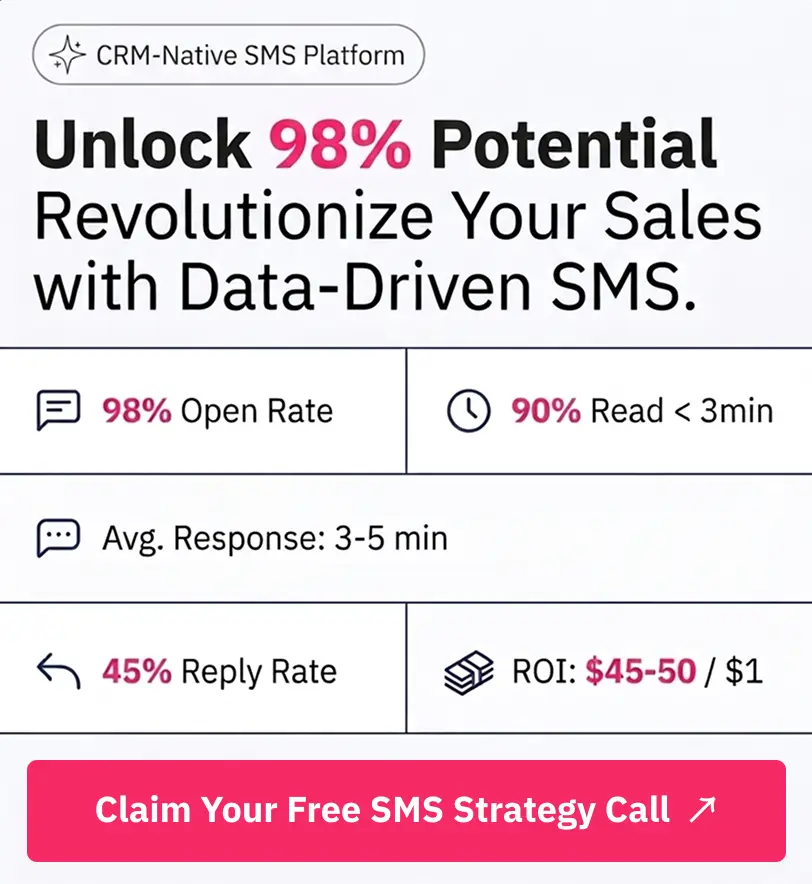
Table of Contents
- What is a HubSpot Remote integration?
- How does the HubSpot Remote integration work?
- Does HubSpot have a native Remote integration?
- Can a hiring record move backward in HubSpot if an offer falls through?
- How long does a HubSpot Remote integration take to build?
- Can HubSpot and Remote sync bi-directionally?
- Three Ways to Connect Remote and HubSpot
- Global Hiring Workflows You Can Automate Once Remote Data Lives in HubSpot
- What Breaks in a Remote HubSpot Sync, and How We Prevent It
- Implementation Timeline: What to Expect
- Connect the Rest of Your HR and Revenue Stack