








































What is a HubSpot Rippling integration?
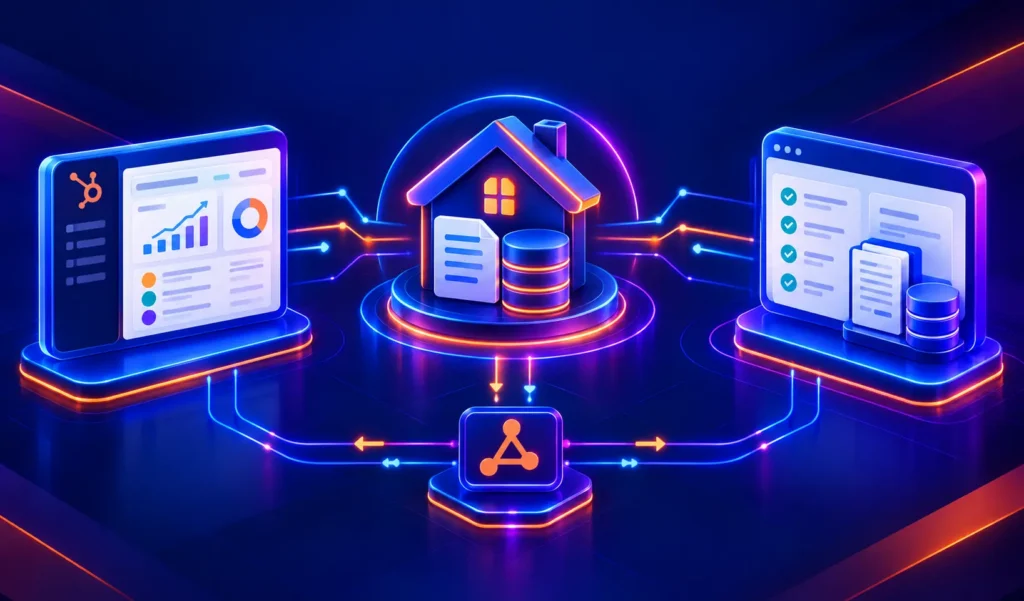
A HubSpot Rippling integration connects your HR and IT platform to your CRM, automating user provisioning, territory assignment, and permission mapping based on real employment data instead of manual IT and sales ops work.
How does the HubSpot Rippling integration work?
The integration reads employee events from Rippling, new hire, termination, role or department change, and translates them into HubSpot actions: creating or deactivating user accounts, updating territory and manager properties, and adjusting permission sets to match the employee’s current role.

Turn HubSpot Into A Real-Time SMS Engine with Message IQ
 Two-Way Conversations
 Shared Team Inbox
 Automation Triggers
 Advanced Reporting
 Compliance Tools
- 98% SMS read within 3 min
- 78% Buy from first responder
- 21× More likely to qualify

*MessageIQ is an IntegrateIQ product – built natively for HubSpot by the same team.
Does HubSpot have a native Rippling integration?
No. There’s no direct native integration between Rippling and HubSpot; a workflow automation tool or custom API build is needed to bridge the two. Most businesses connecting them for anything beyond basic contact sync build a custom integration.
What is Rippling’s “SSO Tax,” and does it affect a HubSpot integration?
Rippling’s SCIM-based provisioning, sometimes called the “SSO Tax,” requires every connected application, including HubSpot, to carry that application’s own enterprise-tier subscription to unlock SAML/SCIM support. Independent research has documented this costing tens of thousands of dollars per year for a mid-size company’s full stack, on top of Rippling’s own IAM add-on fees. A custom integration built against Rippling’s standard API can avoid this tier requirement for the specific data HubSpot actually needs.
How long does a HubSpot Rippling integration take to build?
A custom HubSpot Rippling integration typically takes 8 weeks: 2 weeks of discovery, including confirming your actual Rippling API access and tier, 3 weeks of build and staging, and the remaining weeks for testing and go-live support.
Will our existing employee data sync automatically, or do we need to migrate it manually?
Not automatically. Most Rippling-to-HubSpot connections only sync data created after the connection is activated; existing employee, territory, and permission data typically needs a manual export and import unless it’s explicitly built into the integration. We include historical backfill as a standard part of the build.
Three Ways to Connect Rippling and HubSpot
Not every team needs custom. Here is the honest comparison, currently absent from the page.
| Factor | Rippling’s Own SCIM/IAM Provisioning | Generic iPaaS (Zapier/Make/n8n) | Custom Integration (Integrate IQ) |
|---|---|---|---|
| Best for | Enterprises already paying for enterprise-tier subscriptions across their stack | Simple one-way trigger automation for basic contact sync | Companies wanting provisioning logic without the enterprise-tier cost tax |
| Cost structure | Requires enterprise-tier upgrades on every connected app plus Rippling’s own IAM add-on, documented at tens of thousands of dollars per year | Subscription-based, scales with task volume | One-time build cost, no forced tier upgrade on either platform |
| Historical data | Forward-looking only from activation | Forward-looking only from activation | Full historical backfill included |
| Sync direction | Built for provisioning, not broader data sync | One-way per trigger, several needed for two-way | True bi-directional, configurable per object |
| Business logic | Fixed within Rippling’s IAM rules | Basic conditional logic, no approval gates | Custom rules, e.g. approval-gated reassignment, compliance-gated access |
| Volume handling | Depends on tier | Task limits and throttling at scale | Built for org restructuring and hiring surges without timeouts |
| Maintenance | Vendor-managed, tied to ongoing tier costs | You manage it | Monitored, maintained, and supported |
If you’re already paying for enterprise tiers across your entire stack for other reasons, Rippling’s own SCIM-based provisioning might be worth using for HubSpot too. If you’re not, and most companies aren’t, a custom integration gets you the provisioning and territory logic you actually need without triggering that tier upgrade cost across every connected app.
Workforce Automation Workflows You Can Build Once Rippling Data Lives in HubSpot
- SCIM-Tax-Avoidant Access Sync. Since Rippling’s own SCIM-based provisioning requires every connected app to be on an expensive enterprise tier, a real cost documented at over $63,000 per year for a mid-size company’s stack, a custom integration can sync the specific access-relevant fields HubSpot needs directly via API, without requiring HubSpot to be provisioned through Rippling’s full IAM/SCIM bridge at all.
- Historical Employee Data Backfill. Since most Rippling-to-HubSpot connections only sync forward from the point of activation, a custom integration includes a one-time historical backfill of existing employee-to-territory and employee-to-permission mappings, so day-one setup doesn’t start with blank slate data.
- IT Asset and Device Context on Deal Records. For sales teams where device or software provisioning delays affect ramp time, HubSpot can surface a new hire’s IT provisioning completion status from Rippling, flagging reps who aren’t fully equipped yet before assigning them a full deal load.
- Approval-Gated Territory Reassignment. Since native integrations can’t support human-approval-gate workflows, a custom integration adds a manager-approval step before a territory or permission change in Rippling actually updates HubSpot, preventing an accidental or premature reassignment from taking effect.
- Compliance Evidence Cross-Reference for Sales Access. Since Rippling syncs compliance evidence with tools like Drata and Vanta, HubSpot access provisioning can be gated on a rep’s completed compliance training status, ensuring security training completion before full CRM access is granted.
What Breaks in a Rippling HubSpot Sync, and How We Prevent It
- Duplicate records and identity resolution. An employee added to HubSpot both by an early manual account creation and a later Rippling-triggered sync can create duplicate user records. We use Rippling’s employee ID as the definitive key, checked against existing HubSpot users before creating anything new.
- System-of-record conflicts. IT may manually adjust a HubSpot user’s permissions directly while Rippling still reflects the employee’s original role, creating drift between the two. We define Rippling as the source of truth for role and employment status, with HubSpot permissions reflecting rather than overriding it.
- Rippling’s SCIM and IAM provisioning has a real, quantified cost problem. Rippling’s own SCIM-based provisioning requires every connected application, HubSpot included, to carry that application’s own enterprise-tier subscription to unlock SAML/SCIM support, a cost independently documented at tens of thousands of dollars per year for a mid-size company’s full stack, on top of Rippling’s own IAM add-on fees. A custom integration built against Rippling’s standard API can sync the specific fields needed without requiring this expensive tier upgrade path.
- Historical data doesn’t sync by default. Most Rippling-to-HubSpot connections, whether native or via generic automation tools, only sync data created after the connection is activated. Existing employee, territory, and permission data typically requires a manual one-time export and import unless explicitly built into the integration. We include historical backfill as a standard part of the build, not an afterthought.
- API rate limits and access-tier gating. Rippling gates meaningful API access behind a separate paid add-on with no proof-of-concept option, and reports confirm its SCIM bridges cover only a subset of a typical company’s software stack. We confirm your actual Rippling API access and tier during discovery, before scoping the build, so there are no surprises about what’s actually reachable.
Implementation Timeline: What to Expect
Most HubSpot Rippling integrations ship in 8 weeks. The first 2 weeks cover discovery, including confirming your actual Rippling API access and tier and mapping your employment status taxonomy. The next 3 weeks cover build and staging, including historical backfill. The remaining weeks cover testing and go-live support. Our HubSpot integration process is the same repeatable framework behind our 98.5% client retention rate.
See your 12-month revenue impact with HubSpot CRM
Enter your current numbers — visitors, leads, deal size — and get a personalized projection based on real HubSpot customer benchmarks.
Calculate My ROI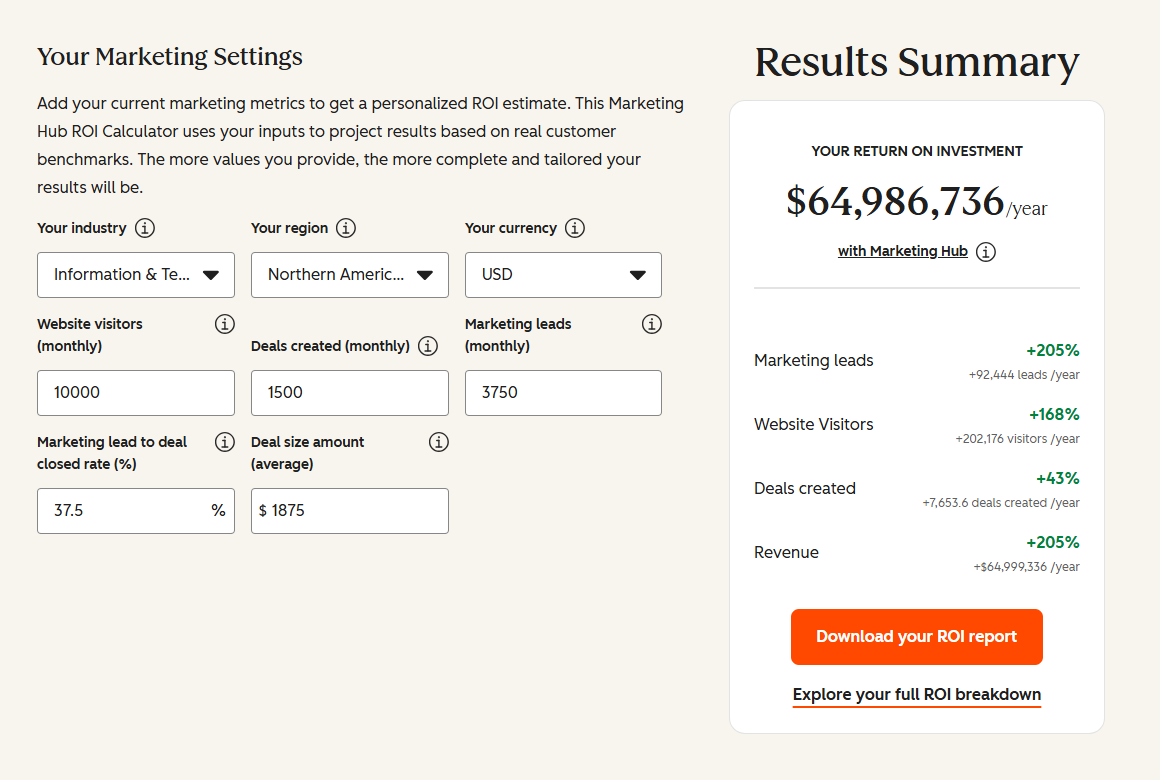
Connect the Rest of Your Revenue and HR Stack
See our dedicated recruiting and staffing industry work for the broader workforce context. Custom approval-gated workflows or compliance-gated access logic beyond the standard build often needs full-stack development support. Getting HR, IT, and RevOps aligned on the new workflow goes faster with HubSpot training. Migrating off a legacy CRM at the same time? Our CRM migration services cover that too. Not sure what any of this is worth to your team? Run the numbers on our Integration ROI Calculator.

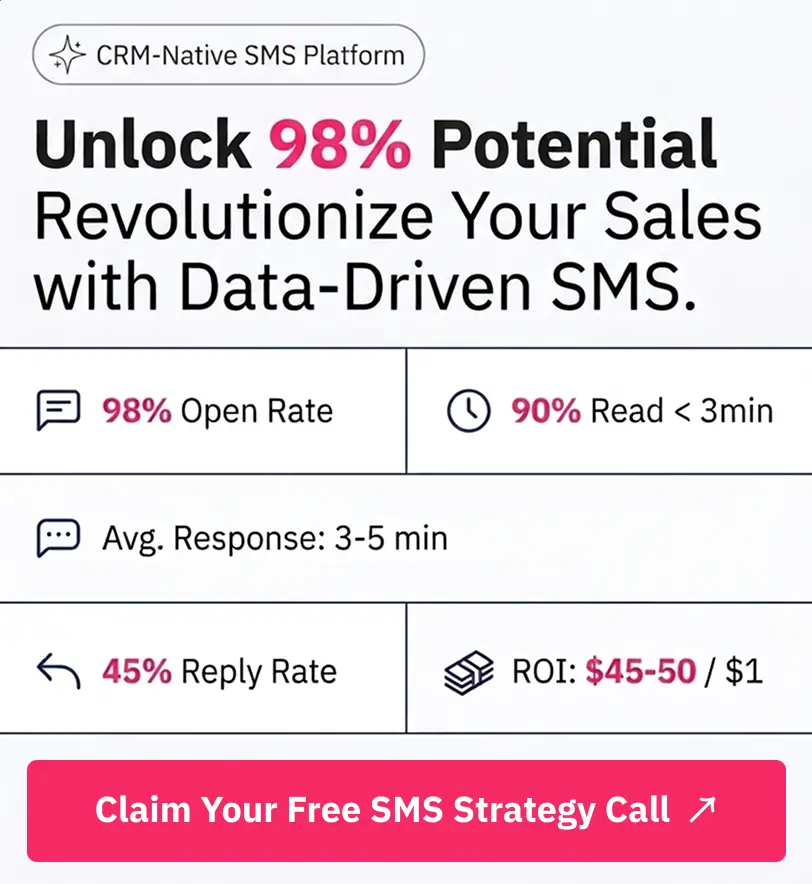
Table of Contents
- What is a HubSpot Rippling integration?
- How does the HubSpot Rippling integration work?
- Does HubSpot have a native Rippling integration?
- What is Rippling’s “SSO Tax,” and does it affect a HubSpot integration?
- How long does a HubSpot Rippling integration take to build?
- Will our existing employee data sync automatically, or do we need to migrate it manually?
- Three Ways to Connect Rippling and HubSpot
- Workforce Automation Workflows You Can Build Once Rippling Data Lives in HubSpot
- What Breaks in a Rippling HubSpot Sync, and How We Prevent It
- Implementation Timeline: What to Expect
- Connect the Rest of Your Revenue and HR Stack