












Explore this article with AI:

HubSpot onboarding sounds straightforward. You buy the platform, a consultant shows you around, and you’re ready to go. The reality? Most agencies avoid discussing the hidden complexities, budget surprises, and integration nightmares that emerge during setup. We’ve guided 300+ organizations through HubSpot implementations at Integrate IQ, and we’ve seen the same patterns repeat: underestimated timelines, unclear data migration strategies, and team frustration when expectations don’t match reality. This post reveals what agencies typically skip over and what you actually need to know before starting your HubSpot journey.
Free estimator
Know what your HubSpot project costs before the first call.
Select your services and get a transparent price range in minutes. No sales call needed to get a number.
Connect HubSpot to your ERP, billing platform, or database field mapping, custom logic, and support included.
Pipelines, workflows, email templates, and reporting configured for how your team actually works.
Live, role-based sessions with recordings and written guides built around a custom plan for your team.
HubSpot Partner
Client retention
Platforms integrated
Why Agencies Don’t Tell You the Full Story About HubSpot Setup?
Here’s the uncomfortable truth: implementation partners have financial incentives that don’t always align with your interests. When a consulting firm quotes you a three-month onboarding project, they’re rarely factoring in the real-world friction points that surface when your team gets hands-on experience. Agencies focus on the happy path—the scenario where data imports perfectly, integrations connect smoothly, and your team adopts the platform without resistance.
The uncomfortable pieces? They’re buried in the fine print or mentioned vaguely during kickoff calls. Your existing data quality issues become your problem to solve. Integration complexity multiplies when your tech stack exceeds what the agency planned for. Change management falters when your team doesn’t receive adequate training. And when projects extend past the initial scope, agencies charge for those extras.
We’ve worked with companies that paid six figures for onboarding only to discover halfway through that their CRM data was fragmented across five systems and would require significant cleanup before import. Nobody mentioned that. We’ve seen teams trained on workflows that didn’t reflect their actual business processes. We’ve handled implementations where budget ran out before critical integrations got completed.
What’s the Real Cost of Migrating Your Existing Data Into HubSpot?
Data migration is where most onboarding projects derail. It’s also where agencies are vaguest about timelines and expenses. Here’s what actually happens: you have contacts scattered across email lists, spreadsheets, previous CRMs, and databases that nobody’s touched in years. Each source has different formatting, duplicate records, incomplete information, and data quality issues that range from missing fields to completely incorrect values.
Before anything imports into HubSpot, this data needs cleaning. That means deduplicating records, standardizing fields, fixing formatting inconsistencies, and validating accuracy. A dataset with 50,000 contacts that looks clean on the surface might hide thousands of duplicate records and incomplete entries. When an agency quotes you $15,000 for data migration and your cleanup requirements triple that cost, you’ve hit the first budget surprise.
We typically see five common data migration scenarios: light cleaning (duplicates and formatting), moderate remediation (missing fields, standardization), heavy cleanup (fragmented sources, extensive deduplication), full reconstruction (completely redesigned data structure), and hybrid approaches (some systems clean while others need rebuilding). Each tier multiplies your timeline and investment. Your consulting partner should walk through actual data samples with you before quoting the project, but many don’t.
Investing in proper data cleanup upfront saves months of headaches later. Poor data creates workflow issues, reporting inaccuracies, and team frustration. We’ve seen companies spend more fixing bad migrations six months after go-live than they would have spent cleaning the data properly beforehand.

Turn HubSpot Into A Real-Time SMS Engine with
Message IQ

Two-Way Conversations

Shared Team Inbox

Automation Triggers

Advanced Reporting

Compliance Tools
-
98%
SMS read within 3 min -
78%
Buy from first responder -
21×
More likely to qualify
3–5 min avg response
$45–$50 ROI / $1

*MessageIQ is an IntegrateIQ product – built natively for HubSpot by the same team.
How Many Integrations Will You Actually Need, and Why Does This Get Underestimated?
Most companies underestimate how many systems HubSpot will need to talk to. Your website platform, email tools, accounting software, customer service system, analytics platform, and half a dozen other specialized tools all need to sync with HubSpot or share data with each other through HubSpot.
Agencies typically quote the obvious integrations: Salesforce to HubSpot, your website to HubSpot, maybe Slack or email. What they miss? The secondary integrations that emerge once your team starts using the platform. Your customer success team realizes they need HubSpot talking to your support platform. Your finance department wants revenue data flowing into their reporting tool. Your content team wants form submissions connected to your CMS. Each integration adds complexity, development time, and testing requirements.
Integration challenges multiply when your existing tools have limitations. Maybe your payment processor doesn’t have a native HubSpot connector and you’ll need a middle platform like Zapier or custom API development. Maybe your legacy CRM has data structures that don’t map cleanly to HubSpot’s model. These complications rarely appear in initial scope documents.
Budget 20-30% of your onboarding investment for integrations you haven’t identified yet. Build flexibility into your timeline and work with partners who recognize that integration needs expand as your team gets familiar with the platform.
Why Do Team Members Resist HubSpot Even After You’ve Invested in Training?
We see this repeatedly: Executives purchase HubSpot, agencies run onboarding sessions, and three months later your team is still using the old spreadsheets and workarounds for critical processes. Agencies typically handle this by checking the “training delivered” box and moving on. They run initial training sessions, provide documentation, and consider their job complete. Your team’s actual adoption? That’s your problem.
Adoption fails because training doesn’t address how your team actually works. A sales rep trained on generic workflows might discover that HubSpot’s standard deal stages don’t match your sales process. Your marketing team realizes that the email templates don’t integrate well with your approval workflow. Customer success managers find that HubSpot’s account structures don’t reflect how they manage customer relationships.
Real adoption requires role-specific training, hands-on practice with your actual data, and change management that acknowledges why people preferred the old system. It demands accountability for usage metrics, coaching for struggling users, and continuous optimization as teams discover what works. Most agencies treat this as optional.
Budget for adoption coaching that extends beyond initial training. Work with partners who review usage metrics monthly and adjust workflows based on how your team actually behaves. Connect HubSpot adoption to concrete outcomes: better forecast accuracy, faster deal closure, improved customer retention.
What Expenses Hide in Your HubSpot Onboarding and Appear After Kickoff?
The initial proposal quotes development, data migration, and training. Then, once work starts, surprises emerge. Your sales process is more complex than described. You need custom fields that demand API integration. Your reporting requirements need a business intelligence tool integration. Your legacy systems require custom extraction scripts before data can import.
These aren’t oversights. They’re genuine discoveries that emerge only once your team and the consulting partner begin detailed process mapping. But they’re expensive discoveries. A business intelligence tool integration that wasn’t anticipated might cost $20,000 and add six weeks to your timeline. Custom API development for a system that doesn’t have a native connector might be another $15,000.
Build contingency into your budget. Plan for 15-25% of your onboarding cost to go toward items that weren’t in the original scope. Have clear change request processes that define how new requirements get approved and what they cost. Set expectations early that your initial proposal identifies maybe 70-80% of actual requirements.
Ask your implementation partner for scope creep patterns from similar companies. How often do requirements expand? What categories of costs typically get discovered later? Partners with transparency about this pattern are typically more reliable than those who pretend initial proposals are comprehensive.
How Long Does HubSpot Onboarding Actually Take, Not the Shortened Version They Quote?
Most agencies quote three to four months for onboarding. Most implementations take six to nine months before your team considers the system fully operational and optimized. The discrepancy? Agencies count time to initial go-live. You measure success when your workflows run smoothly, your data is accurate, and your team works efficiently in the platform.
Real timelines include business process documentation (two to four weeks), data assessment and cleanup (four to eight weeks), configuration and customization (six to ten weeks), integration setup and testing (four to eight weeks), user training and adoption coaching (eight to twelve weeks ongoing), and post-launch optimization (twelve to twenty-four weeks). When you add in your team’s bandwidth constraints, approval bottlenecks, and the reality that people work on implementation part-time while handling their regular jobs, timelines stretch considerably.
Agencies often minimize the post-launch phase. They hand off a system that’s technically go-live ready but still needs weeks of optimization as your team discovers what works and what doesn’t. Many implementations spend two months after launch fixing issues and adjusting configurations that early testing didn’t catch.
Ask your prospective partner: How many months between initial kickoff and when you consider the implementation completely done? How much of your team’s time do you actually need during each phase? What happens during months four and five when most agencies have already moved to their next client?
Which Agency-Selection Errors Haunt Your Implementation for Months?
Choosing the right implementation partner matters as much as the platform itself. We’ve inherited implementations from other agencies where the damage was substantial. Typical problems: the first partner didn’t understand your industry and designed processes that don’t match your actual workflow. They built a system optimized for their standard templates rather than your specific needs. They had limited integration expertise and built brittle connections that break when source systems update.
The worst scenario? Your first partner leaves you with a technically functional but poorly designed system that becomes expensive and disruptive to fix. Redesigning workflows, remigrating data, or rebuilding integrations costs more than getting it right initially. You’re also retraining your team on new processes.
Evaluate partners on three criteria: industry experience (do they understand your market?), integration depth (can they handle your tech stack?), and post-launch support (how much coaching do they provide after go-live?). Request references from companies similar to yours. Ask directly about failed projects or implementations they inherited and had to fix.
Red flags include: agencies that promise unusually short timelines, those reluctant to discuss potential complications, partners without clear methodologies, and those who treat all implementations the same. Trusted partners acknowledge complexity, prepare for discoveries, and maintain honesty about trade-offs.
What Does Real, Sustainable HubSpot Success Look Like Beyond Launch Day?
Successful implementations don’t end at go-live. They require ongoing optimization, continuous user education, and regular adjustments as your business evolves. The companies we work with that get the most value from HubSpot treat it as a living system that improves monthly, not a destination reached on launch day.
Real success means your sales team consistently uses the platform for pipeline visibility and forecasting. Your marketing team runs campaigns and measures ROI through HubSpot. Your customer success team tracks account health and retention metrics. Your data is accurate enough that you trust reporting for decision-making. Your team views HubSpot as essential to their work, not an added burden.
Reaching this level requires investment beyond onboarding. You need ongoing training as your team grows. You need quarterly optimization reviews to ensure workflows match current business needs. You need integration maintenance as your tech stack evolves. You need support when new employees come on board and need onboarding.
Partner with organizations that discuss post-launch support structures upfront. What’s their availability for questions? How do they handle training new team members? What’s their optimization roadmap for year two and three? Companies that plan for multi-year partnerships typically experience better outcomes than those viewing onboarding as a one-time project.
Frequently Asked Questions About HubSpot Onboarding
Q: How much should HubSpot onboarding actually cost?
A: Onboarding costs range from $25,000 to $150,000+ depending on your team size, data complexity, integration count, and customization needs. Small businesses with clean data and few integrations land on the lower end. Enterprise organizations with complex workflows, multiple integrations, and large datasets cost significantly more. Budget for ongoing support after initial onboarding rather than viewing the upfront cost as your full investment.
Q: Can we do HubSpot onboarding ourselves and save money?
A: Self-onboarding saves money upfront but typically costs more in hidden ways. You spend internal resources time on learning, configuration, and troubleshooting. You risk poor design decisions that create expensive rework later. You miss optimization opportunities that experts would catch. The right question isn’t whether you can do it yourself, but whether your team has 200-400 hours to dedicate to the project while maintaining regular responsibilities.
Q: What’s the difference between onboarding and ongoing support?
A: Onboarding gets your system configured, your data migrated, and your team trained. Support maintains and optimizes the system post-launch. Onboarding typically takes three to six months. Ongoing support is continuous. Most companies need both. Many underestimate the ongoing support investment.
Q: How much of our team’s time does onboarding require?
A: Typically 30-40% of one manager’s time plus 10-20% of 5-10 team members’ time across four to six months. Your project manager dedicates significant hours to coordination and decision-making. Key users spend time on business process mapping and testing. Everyone participates in training. Plan for this before starting rather than being surprised by the distraction.
Q: What happens if we choose the wrong implementation partner?
A: You end up with a system that doesn’t match your workflows or integrates poorly with your tech stack. Fixing these problems costs more than getting it right initially. You may need to redesign processes, rebuild integrations, or remigrate data. You spend months in a suboptimal system that frustrates your team. Choose carefully. Request references from similar companies. Avoid rock-bottom pricing.
Q: How do we measure whether onboarding was successful?
A: Track adoption metrics: What percentage of your team actively uses HubSpot for their primary workflows? Monitor data quality: Is information entered consistently and accurately? Measure outcomes: Did your sales forecast accuracy improve? Did customer retention metrics change? Did cycle times decrease? Success isn’t just technical completion. It’s your team trusting HubSpot as their primary work system.
Q: When should we start budgeting for a second implementation partner?
A: If your first partner isn’t delivering on timeline, your budget is exploding beyond initial estimates, or you’re not seeing adoption progress after three months, it’s time to reassess. Sometimes this means having a difficult conversation about course correction. Sometimes it means bringing in additional expertise. Don’t hesitate to make changes if the partnership isn’t working.
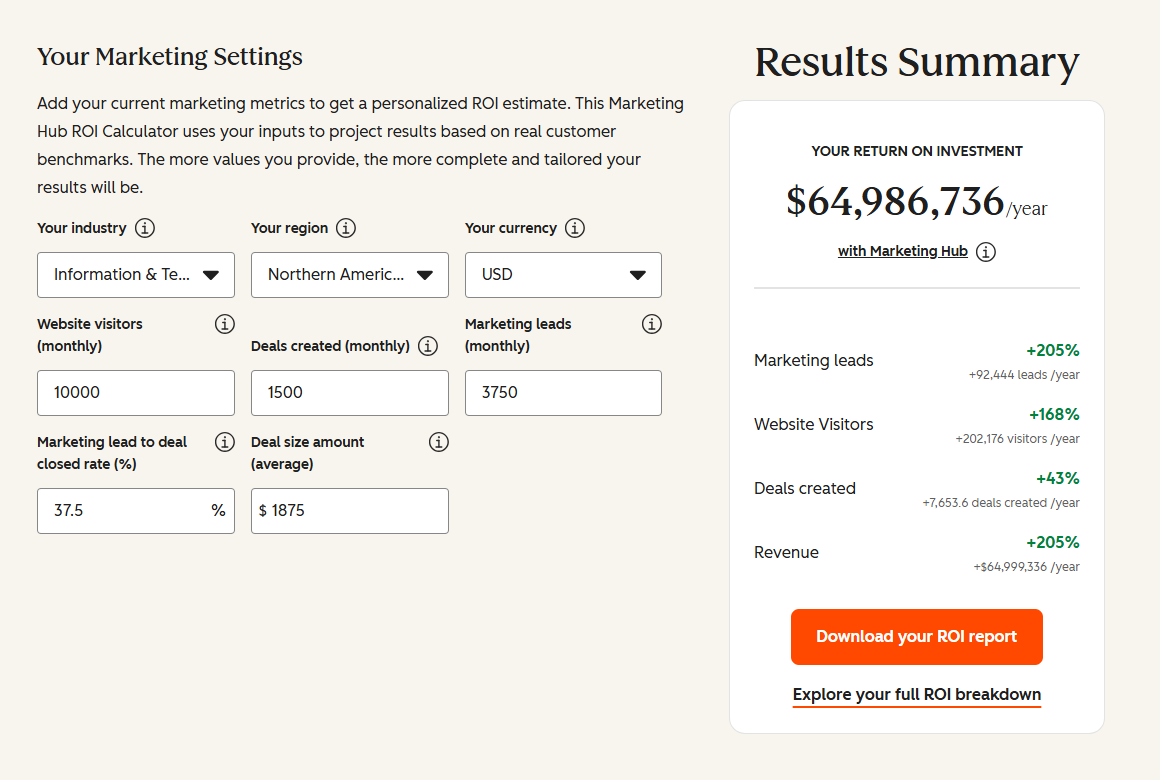
See your 12-month revenue impact with HubSpot CRM
Enter your current numbers — visitors, leads, deal size — and get a personalized projection based on real HubSpot customer benchmarks.
The Bottom Line
HubSpot onboarding is more complex than agencies typically present. Data migration, integrations, change management, and timeline realities deserve honest discussion before you sign a contract. We’ve worked through 300+ implementations at Integrate IQ, managing 20 billion+ records across every industry and business model. Our clients appreciate transparency about challenges, realistic timelines, and preparation for the discoveries that inevitably emerge.
Your implementation should improve efficiency, decision-making, and team productivity. That outcome requires the right partner, clear expectations, adequate budget, and commitment to adoption beyond launch day. Ask tough questions upfront. Demand honest answers about complications. Choose a partner who understands your business, not just their templates.
Ready to discuss your HubSpot onboarding needs with a partner who values honest conversations? Contact Integrate IQ to talk through your specific situation, timeline, and goals.

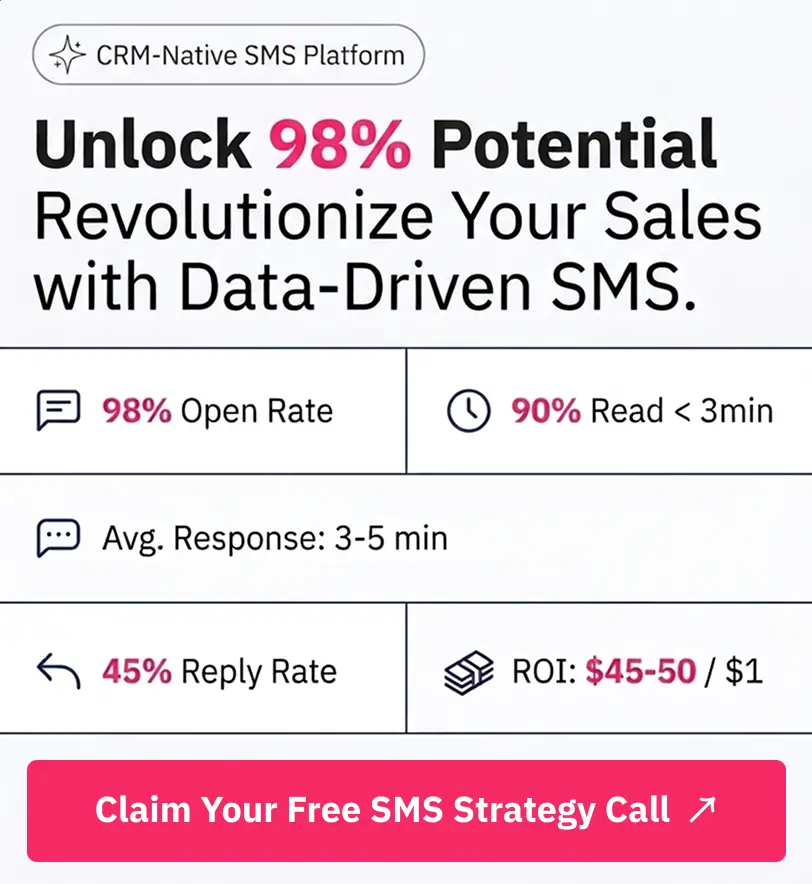
Table of Contents
- Why Agencies Don't Tell You the Full Story About HubSpot Setup?
- What's the Real Cost of Migrating Your Existing Data Into HubSpot?
- How Many Integrations Will You Actually Need, and Why Does This Get Underestimated?
- Why Do Team Members Resist HubSpot Even After You've Invested in Training?
- What Expenses Hide in Your HubSpot Onboarding and Appear After Kickoff?
- How Long Does HubSpot Onboarding Actually Take, Not the Shortened Version They Quote?
- Which Agency-Selection Errors Haunt Your Implementation for Months?
- What Does Real, Sustainable HubSpot Success Look Like Beyond Launch Day?
- Frequently Asked Questions About HubSpot Onboarding
- The Bottom Line