























What is a HubSpot Brightree integration?
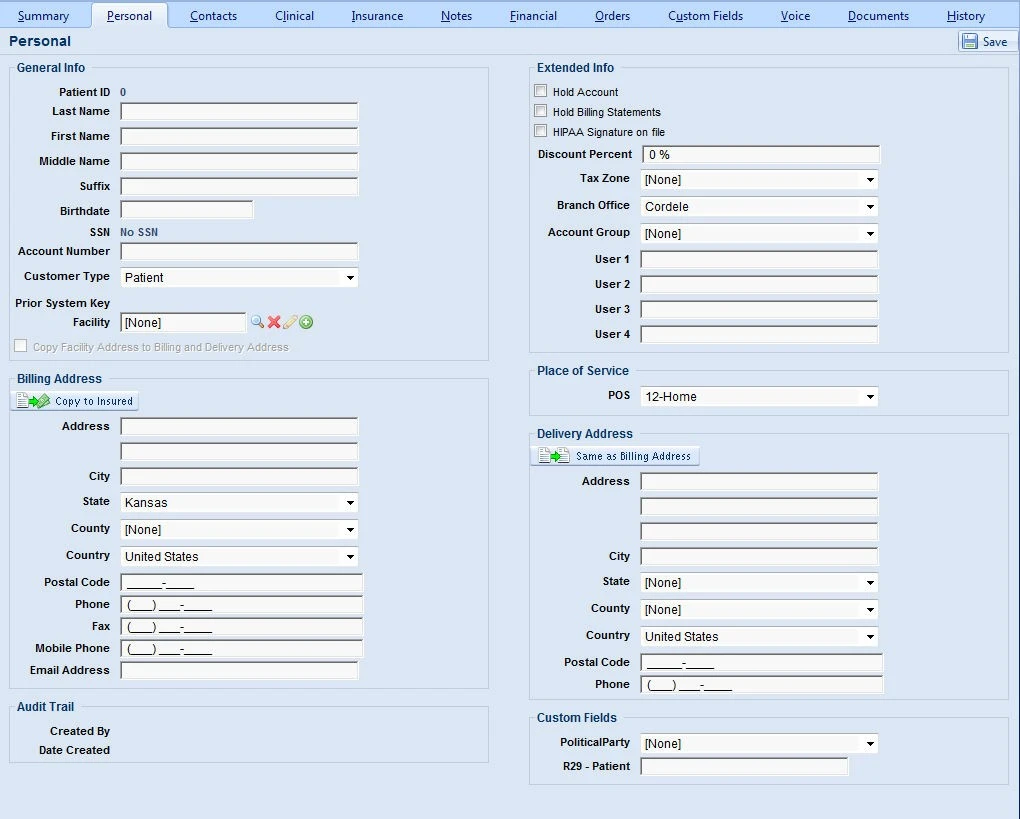
A HubSpot Brightree integration connects your HME or DME billing and patient management system to HubSpot, syncing patient, order and referral physician data so marketing and patient engagement teams can run resupply reminders, onboarding sequences, and referral campaigns from real operational data instead of manual exports.
How does the HubSpot Brightree integration work?
The integration maps Brightree customers, opportunities, cases, and activities to HubSpot contacts, deals, tickets and engagements, then keeps both systems current under a signed Business Associate Agreement. Order and resupply events in Brightree can trigger HubSpot campaigns, while engagement data can inform patient outreach priorities.

Turn HubSpot Into A Real-Time SMS Engine with Message IQ
 Two-Way Conversations
 Shared Team Inbox
 Automation Triggers
 Advanced Reporting
 Compliance Tools
- 98% SMS read within 3 min
- 78% Buy from first responder
- 21× More likely to qualify

*MessageIQ is an IntegrateIQ product – built natively for HubSpot by the same team.
Does HubSpot have a native Brightree integration?
No. Unlike more mainstream platforms, Brightree has no native HubSpot connector and no off-the-shelf Zapier or iPaaS template in general use. Every HubSpot Brightree integration in production today is either a custom in-house build against Brightree’s API or a purpose-built integration like this one.
How long does a HubSpot Brightree integration take to build?
A custom HubSpot Brightree integration typically takes 8 to 12 weeks given the added HIPAA compliance and BAA requirements: 2 to 3 weeks of discovery and data-scope mapping, 4 to 5 weeks of build and staging, 1 week for historical patient data backfill, and 2 weeks for testing and go-live support.
Can HubSpot and Brightree sync bi-directionally?
Yes. A custom integration can sync new patient, order, and referral data from Brightree into HubSpot, and push engagement or lifecycle data from HubSpot back into Brightree where useful, typically limited to contact information rather than clinical fields. Direction and scope are configured per field under your BAA.
Is a HubSpot Brightree integration HIPAA-compliant?
It can be, but compliance depends entirely on how the integration is built, not on HubSpot or Brightree alone. A compliant integration runs under a signed BAA, encrypts PHI in transit and at rest, and syncs only the fields marketing and patient engagement actually need rather than full clinical records.
How a HubSpot Brightree Integration Actually Works
A HubSpot Brightree integration works by giving each system ownership of what it does best: Brightree owns clinical, billing, and order truth, while HubSpot owns communication and referral-relationship truth. The integration moves only what’s needed between them, under a signed BAA.
In the Brightree-to-HubSpot direction, new orders, resupply due dates, and referral physician activity sync into HubSpot as contacts, deals, and engagement data, feeding the resupply, onboarding, and referral campaigns your team already runs.
In the HubSpot-to-Brightree direction, sync is intentionally narrower: engagement and contact-preference data can flow back, but clinical documentation stays in Brightree, since there’s rarely a reason for PHI to live in a marketing platform.
Three Ways to Connect Brightree and HubSpot
Not every team needs custom, but Brightree doesn’t offer the packaged options most other platforms do. Here is the honest comparison.
| Factor | No Connector (Manual) | DIY API Scripting | Custom Integration (Integrate IQ) |
|---|---|---|---|
| Best for | Practices doing manual exports and spreadsheet uploads | In-house dev teams with bandwidth for ongoing maintenance | HME/DME providers running resupply and referral programs at scale |
| Sync direction | None, manual one-time exports | Whatever the internal team builds, often one-way | True bi-directional, configurable per field |
| HIPAA / BAA coverage | Depends entirely on manual handling, high risk | Your team owns compliance and liability | Signed BAA, encrypted PHI, documented data-scope boundary |
| Custom objects/fields | None | Whatever gets scripted, rarely documented | Full mapping of orders, cases, referral sources, and custom fields |
| Business logic | None | Basic, maintained by whoever wrote it | Custom rules, e.g. resupply triggers 90 days after last order date |
| Volume handling | Manual, doesn’t scale | Breaks under volume without dedicated maintenance | Built for thousands of patients and years of order history |
| Historical backfill | Not applicable | Rarely built, usually skipped | Full historical patient and referral data sync |
| Maintenance | None needed, but no value either | Falls on whoever built it, often abandoned after they leave | Monitored, maintained, and supported |
If you’re doing occasional manual exports for a handful of referral sources, that may hold for now. Once resupply volume, referral relationships, or HIPAA exposure make manual handling risky, a custom integration is the only real option, since no packaged connector for Brightree exists today.
Featured snippet candidate: publish the comparison table as a real HTML table, not an image.
Revenue Cycle Workflows You Can Automate Once Brightree Data Lives in HubSpot
- Insurance Authorization Follow-Up. When a prior authorization or CMN in Brightree sits pending past a defined threshold, HubSpot creates a task for a patient care coordinator to follow up, preventing therapy delays that hurt outcomes and revenue.
- Non-Adherence Early Warning. A gap in expected resupply orders, a patient overdue by a set number of days beyond their therapy schedule, triggers a distinct “at-risk” flag in HubSpot, separate from the standard resupply reminder, routing to a live outreach call instead of an automated email.
- Referral Source Tiering. Referral volume and conversion data from Brightree segments referring physicians into tiers inside HubSpot, so outreach cadence and account management attention scale with how much business a referral source actually sends.
- Denial-Risk Documentation Alerts. When a claim or order in Brightree is missing documentation known to trigger payer denials, HubSpot notifies the intake team before the claim goes out, not after a denial comes back.
- Equipment Lifecycle Re-Engagement. Equipment with a known replacement or warranty cycle, mask or mattress replacement timing for example, triggers a HubSpot campaign timed to the equipment’s actual lifecycle, separate from standard consumable resupply.
What Breaks in a Brightree HubSpot Sync, and How We Prevent It
- Duplicate patient records. Patients with slightly different name spellings or multiple Brightree customer IDs across therapy types can create duplicate HubSpot contacts. We de-duplicate on a stable patient identifier, not name-matching.
- System-of-record conflicts. Care coordinators might update contact info in HubSpot while billing updates the same patient record in Brightree. We define Brightree as the source of truth for clinical and billing fields, HubSpot for engagement fields, with locked writes.
- Field mapping and status drift. Brightree order and case statuses don’t map cleanly to HubSpot deal or ticket stages. We build a translation layer so resupply and referral reporting never silently diverges from what’s actually billed.
- PHI scope creep. Syncing more clinical detail into HubSpot than marketing and sales actually need increases HIPAA exposure without adding value. We scope exactly which fields cross the boundary under a signed BAA, syncing engagement-relevant data only, not full clinical records.
- API rate limits at volume. Practices with thousands of active patients and recurring resupply cycles can hit API limits during bulk syncs. Across 300+ platform integrations moving 20 billion plus fields annually, we batch and throttle high-volume syncs by design, not by accident.
Implementation Timeline: What to Expect
Most HubSpot Brightree integrations ship in 8 to 12 weeks, longer than a typical SaaS integration because of the compliance layer. The first 2 to 3 weeks cover discovery and data-scope mapping, including exactly which fields need a BAA and which don’t. The next 4 to 5 weeks cover build and staging. One week handles historical patient and referral data backfill. The final 2 weeks cover user acceptance testing, cutover, and hypercare support. Our HubSpot integration process is the same repeatable framework behind our 98.5% client retention rate.
See your 12-month revenue impact with HubSpot CRM
Enter your current numbers — visitors, leads, deal size — and get a personalized projection based on real HubSpot customer benchmarks.
Calculate My ROI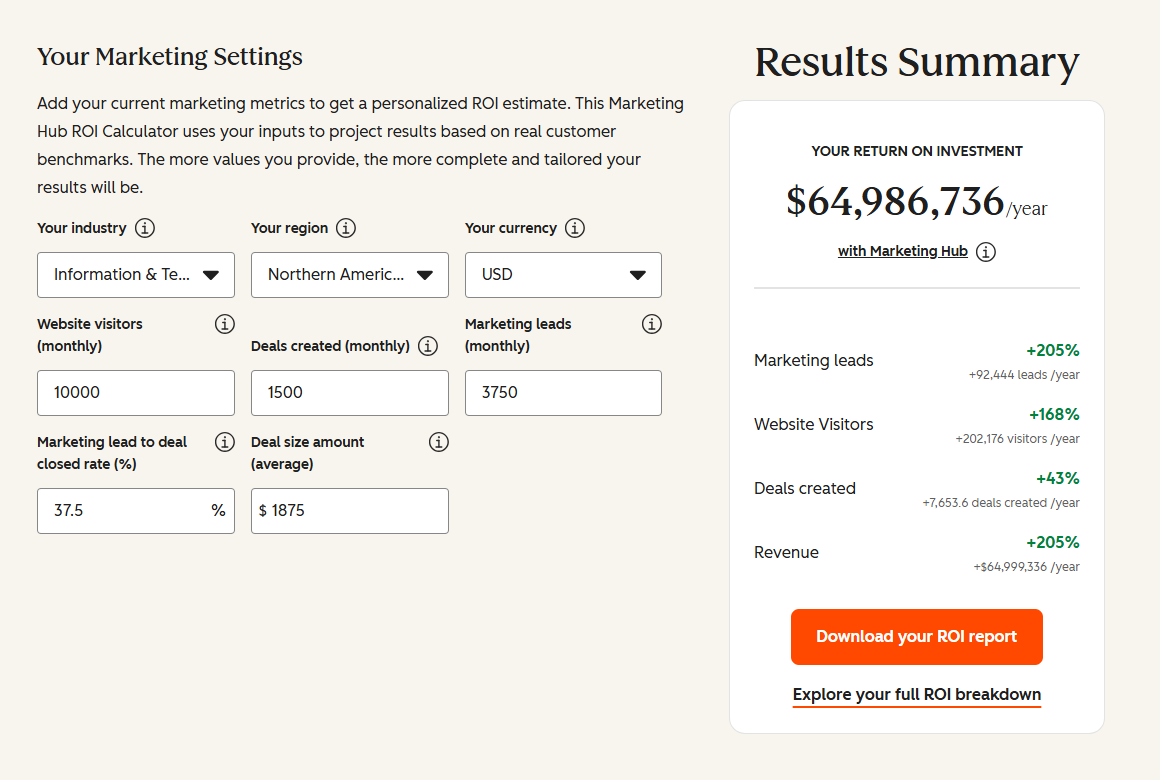
Connect the Rest of Your Care and Referral Stack
Patient and referral data rarely stays useful in isolation. See how this fits into the broader picture in our HubSpot healthcare integrations overview, or explore our dedicated healthcare industry work. Getting care coordinators and referral liaisons onto the new workflow goes faster with HubSpot training and HubSpot onboarding right after go-live. Not sure what any of this is worth to your team? Run the numbers on our Integration ROI Calculator.

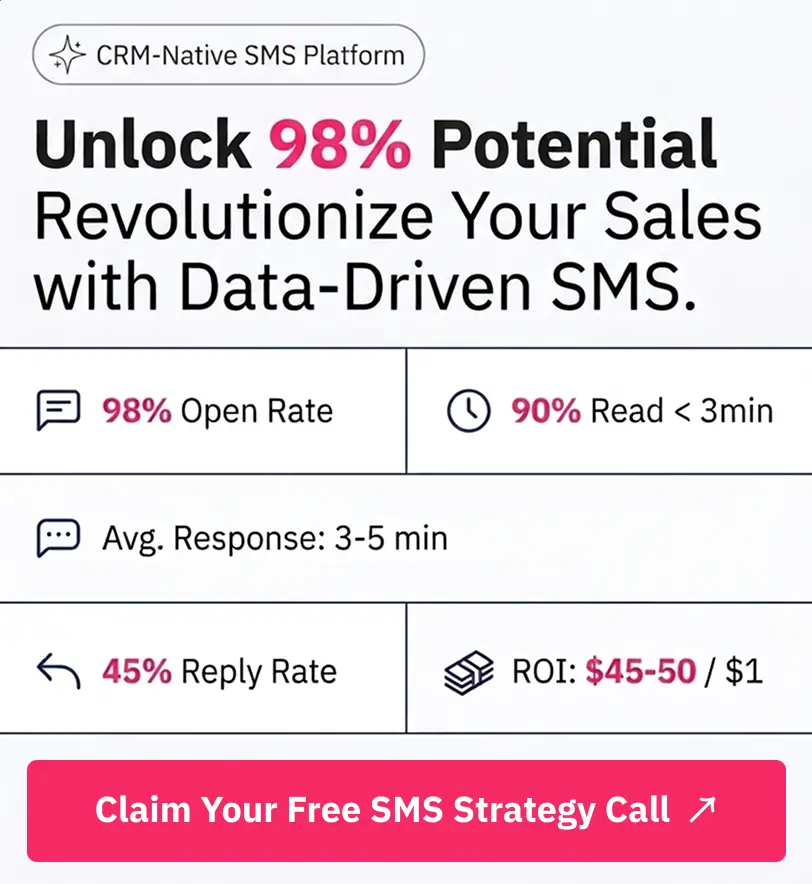
Table of Contents
- What is a HubSpot Brightree integration?
- How does the HubSpot Brightree integration work?
- Does HubSpot have a native Brightree integration?
- How long does a HubSpot Brightree integration take to build?
- Can HubSpot and Brightree sync bi-directionally?
- Is a HubSpot Brightree integration HIPAA-compliant?
- How a HubSpot Brightree Integration Actually Works
- Three Ways to Connect Brightree and HubSpot
- Revenue Cycle Workflows You Can Automate Once Brightree Data Lives in HubSpot
- What Breaks in a Brightree HubSpot Sync, and How We Prevent It
- Implementation Timeline: What to Expect
- Connect the Rest of Your Care and Referral Stack