








































What is a HubSpot commonsku integration?
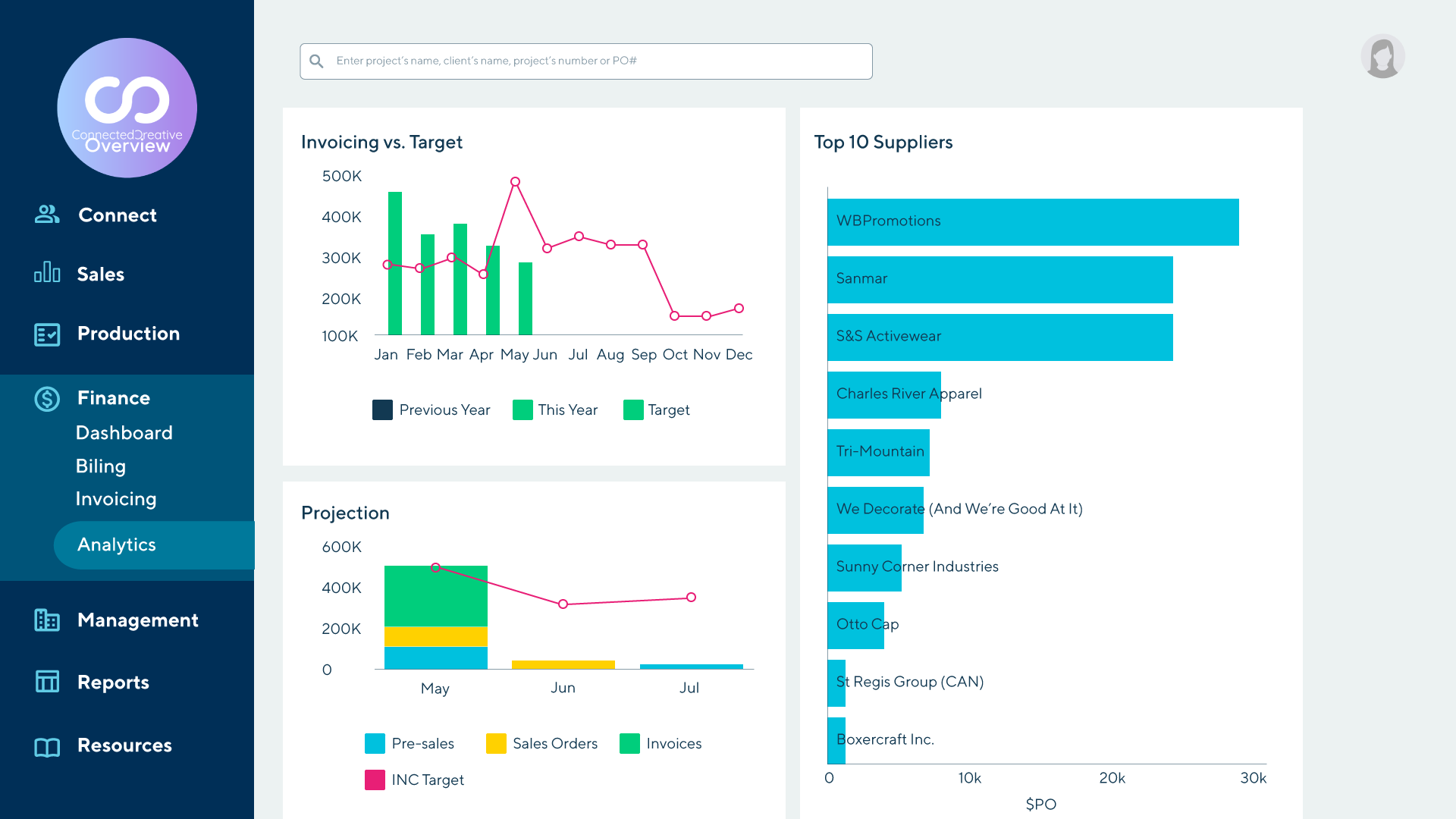
A HubSpot commonsku integration is a data connection that syncs clients, contacts, sales orders, projects, invoices, and revenue between commonsku and HubSpot. The native commonsku HubSpot integration is one-way (commonsku to HubSpot for contacts only). A custom integration adds bi-directional sync, order and project status back to HubSpot, and workflow triggers that create commonsku clients from HubSpot deals.
How does the HubSpot commonsku integration work?
The native commonsku HubSpot integration runs a daily one-way sync pushing commonsku contacts and CSKU sales rep data into HubSpot. A custom integration works through the commonsku API (available on Enterprise plans) with field mapping, deduplication on email, and workflow triggers. New HubSpot deals can create commonsku clients automatically, and commonsku order status changes update the corresponding HubSpot deal stage.

Turn HubSpot Into A Real-Time SMS Engine with Message IQ
 Two-Way Conversations
 Shared Team Inbox
 Automation Triggers
 Advanced Reporting
 Compliance Tools
- 98% SMS read within 3 min
- 78% Buy from first responder
- 21× More likely to qualify

*MessageIQ is an IntegrateIQ product – built natively for HubSpot by the same team.
Does commonsku have a native HubSpot integration?
Yes, commonsku offers a native HubSpot integration through the HubSpot Sync tab in the Clients page. The native sync is one-way (commonsku to HubSpot for contacts) with daily automatic syncs. It cannot sync order or project status back to HubSpot, cannot create commonsku clients from HubSpot deals, and only lets you sync one marketing platform at a time.
Can HubSpot and commonsku sync bi-directionally?
Not with the native commonsku HubSpot integration. Native sync is one-way (commonsku pushes contacts to HubSpot). A custom HubSpot commonsku integration adds true bi-directional sync: qualified HubSpot leads create commonsku clients, HubSpot deal stage changes trigger commonsku project creation, and commonsku order status flows back to HubSpot deal records so marketing can attribute revenue to campaign spend.
How long does a custom HubSpot commonsku integration take to build?
A custom HubSpot commonsku integration takes about 8 weeks from kickoff to production. Discovery runs two weeks for object mapping, presentation and order status flows, and CSKU sales rep field alignment. Build and staging runs three weeks against commonsku API endpoints (Enterprise plan required). Backfill runs one week, cutover and hypercare cover the final two weeks.
What data can sync between HubSpot and commonsku?
Contacts and clients, companies, deals mapped to commonsku projects and sales orders, deal properties mapped to order status, CSKU sales rep assignments, activity notes, invoices and finance data, plus HubSpot marketing engagement (form fills, email opens, campaign attribution) flowing back. Field mapping is configured per distributor so only relevant data flows.
How a HubSpot commonsku Integration Actually Works
A HubSpot commonsku integration keeps a modern marketing engine in agreement with the promotional products order platform your team actually works in day to day. commonsku owns the operational relationship: clients, sales orders, projects, presentations, product configurations, supplier POs, invoices, and the CSKU sales rep who owns each account. HubSpot owns the marketing and pre-sale relationship: lead capture, form fills, ad source, email engagement, deal pipeline for prospecting, and campaign attribution.
The sync moves both directions in a custom build. New leads captured through HubSpot forms (Google Ads landing pages, referral partner submissions, RFP form) create client profiles in commonsku with the original marketing source preserved, so a rep opens a commonsku client and sees the campaign that generated the lead. Sales orders, invoices, and project completion events in commonsku flow back to HubSpot as deal updates so marketing can attribute closed-won revenue to campaigns, trigger review requests on project completion, and enroll clients in re-order sequences before their historical reorder window.
The native commonsku HubSpot integration only handles half of this. It pushes contacts from commonsku to HubSpot on a daily cadence and stops there. Order status, project completion, invoice paid events, and lead-to-client automation all require a custom build against commonsku’s Enterprise API. Field mapping decisions get made during discovery so custom HubSpot properties reflect promo-industry realities (decorator, PMS colors, imprint methods, artwork status) without polluting the standard contact and deal properties.
Three Ways to Connect commonsku and HubSpot
Unlike most integrations, commonsku ships a native HubSpot sync out of the box. It handles the simplest use case (contact push) but stops there. Here is the honest comparison.
| Factor | Native commonsku HubSpot Sync | Zapier / iPaaS | Custom (Integrate IQ) |
|---|---|---|---|
| Best for | Distributors starting with basic email marketing on commonsku contacts | Small distributors testing basic automation | Growth-stage and enterprise distributors running full HubSpot Marketing Hub with promo-specific workflows |
| Sync direction | One-way only (commonsku to HubSpot contacts) | Configurable one-way per Zap | True bi-directional across contacts, clients, deals, projects, orders, invoices |
| Order and project status sync back to HubSpot | Not supported | Manual per event, brittle | Full sync of sales order status, project status, invoice paid events with deal stage automation |
| Create commonsku client from HubSpot lead | Not supported | Basic contact push (no client relationships) | Full client creation on qualified lead with source attribution and rep assignment |
| Marketing platform lock-in | One platform at a time (HubSpot OR Mailchimp) | Not applicable (Zapier handles both) | Not applicable (dedicated HubSpot integration) |
| Unsubscribe flow back to commonsku | Not supported (unsubscribe stays inside HubSpot only) | Manual sync required | Bi-directional unsubscribe honored across both platforms |
| Custom promo-industry fields (decorator, PMS colors, imprint) | Not supported | Requires custom mapping per field | Full support mapped to HubSpot custom properties |
| Cost trajectory | Included with commonsku Distributors plan | Monthly subscription plus task limits | Fixed project cost with predictable annual maintenance |
If your team runs commonsku with modest email marketing needs and does not require order status inside HubSpot, the native sync is a good starting point. Zapier fits distributors testing ideas before committing engineering time. Anywhere you want closed-loop revenue attribution (marketing campaign to funded order), true bi-directional sync so HubSpot deal stages mirror commonsku order status, custom object mapping for decorator, PMS color, or imprint fields, or want to keep unsubscribes honored across both platforms, a custom HubSpot commonsku integration wins. Our custom HubSpot integration services cover the build, backfill, and post-launch monitoring.
Promo Distributor Revenue Workflows Once commonsku Data Lives in HubSpot
- Lead-to-client with marketing attribution preserved. A qualified HubSpot lead creates a commonsku client with the original marketing source (Google Ads campaign, referral partner, RFP form) tagged. The rep who owns the source in HubSpot becomes the CSKU sales rep in commonsku automatically. First-time client onboarding fires in HubSpot the day the client is created, without waiting for the rep to remember to add the new record.
- Order won to review request timed on delivery. A commonsku sales order marked complete triggers a HubSpot workflow that enrolls the primary contact in a review sequence timed to arrive 3 days after the estimated delivery date (drop-shipped merch takes 7 to 14 days from order to arrival, so the review request lands when the buyer is actually holding the product). Positive reviews auto-post to case study consideration.
- Re-order prompts before the historical reorder window. commonsku order history flows to HubSpot as custom properties. A HubSpot smart list surfaces clients whose most common reorder cycle is approaching (annual conference merch, quarterly employee gifts, seasonal onboarding kits). Sequences fire 30 to 60 days before the historical reorder date with product recommendations based on prior purchases.
- Client presented no order to nurture recovery. A commonsku presentation viewed by a client but not converted to a sales order inside 14 days triggers a HubSpot nurture sequence with the exact products shown, addressing common buying-committee objections. The rep gets a task with the presentation URL attached, and the sequence stops the moment commonsku records the sales order.
- Invoice paid to case study consideration. A commonsku invoice marked paid on a large order enrolls the client in a case study consideration workflow: automated screening for high-visibility programs, event merch, or brand-relevant end use, plus a task to the account manager to request a testimonial and permission to feature the work in marketing.
What Breaks in a commonsku HubSpot Sync (Beyond the Native Limitations)
- One-way sync creates unsubscribe inconsistency. The native commonsku HubSpot integration does not sync unsubscribe status back to commonsku. A contact who unsubscribes in HubSpot stays marked as marketing-safe in commonsku, and reps may keep sending marketing-flavored outreach that generates compliance complaints. We build unsubscribe-honored bi-directional sync so both platforms agree on marketing consent.
- Marketing platform lock-in. commonsku only allows one marketing platform sync at a time (HubSpot OR Mailchimp, not both). Distributors migrating from Mailchimp to HubSpot lose all commonsku contact sync for the entire cutover window unless a custom build handles the transition. We architect the switch so contact sync stays live throughout migration.
- Order status invisible in HubSpot workflows. Without order status flowing back to HubSpot, marketing runs blind on which clients recently ordered and which are overdue. Re-order prompts fire against clients who ordered last week; win-back campaigns fire against clients whose orders are still in production. Custom sync writes commonsku sales order status to HubSpot deal properties in near-real-time.
- Promo-industry custom fields (decorator, PMS colors, imprint) missed by generic connectors. Promotional products carry data no generic CRM understands: decorator name, imprint method, PMS color match, artwork proof status, blank product SKU. Native connectors and Zapier flatten these into unusable text fields. We map them as HubSpot custom properties on the deal object so reps and marketing can filter and report on them cleanly.
- CSKU sales rep ownership drift. Native sync writes CSKU sales rep first name and last name to HubSpot contact properties. When reps change, historical order attribution stays with the departed rep. HubSpot commission reports get wrong. Custom sync maps the CSKU rep to a HubSpot user (rather than a text property) and updates ownership when commonsku reassigns the account.
Implementation Timeline: What to Expect
Most HubSpot commonsku integrations complete inside eight weeks of kickoff. Discovery covers two weeks: object inventory (contacts, clients, projects, sales orders, invoices), custom promo-industry field mapping (decorator, PMS color, imprint method, artwork status), CSKU sales rep to HubSpot user mapping, and commonsku Enterprise plan confirmation for API access. Weeks three to five are build and unit testing against a staging commonsku instance and a HubSpot sandbox. Week six runs the historical client and order data backfill. Weeks seven and eight cover user acceptance testing (sales, account management, marketing), cutover, and hypercare. Distributors migrating from Mailchimp to HubSpot alongside the integration add discovery time for the transition plan. Post-launch monitoring is included, so if commonsku pushes an API update or HubSpot changes a workflow action, we see it before your reps notice. Full detail is on our HubSpot integration process page , and 98.5% of clients renew for a follow-on scope.
See your 12-month revenue impact with HubSpot CRM
Enter your current numbers — visitors, leads, deal size — and get a personalized projection based on real HubSpot customer benchmarks.
Calculate My ROI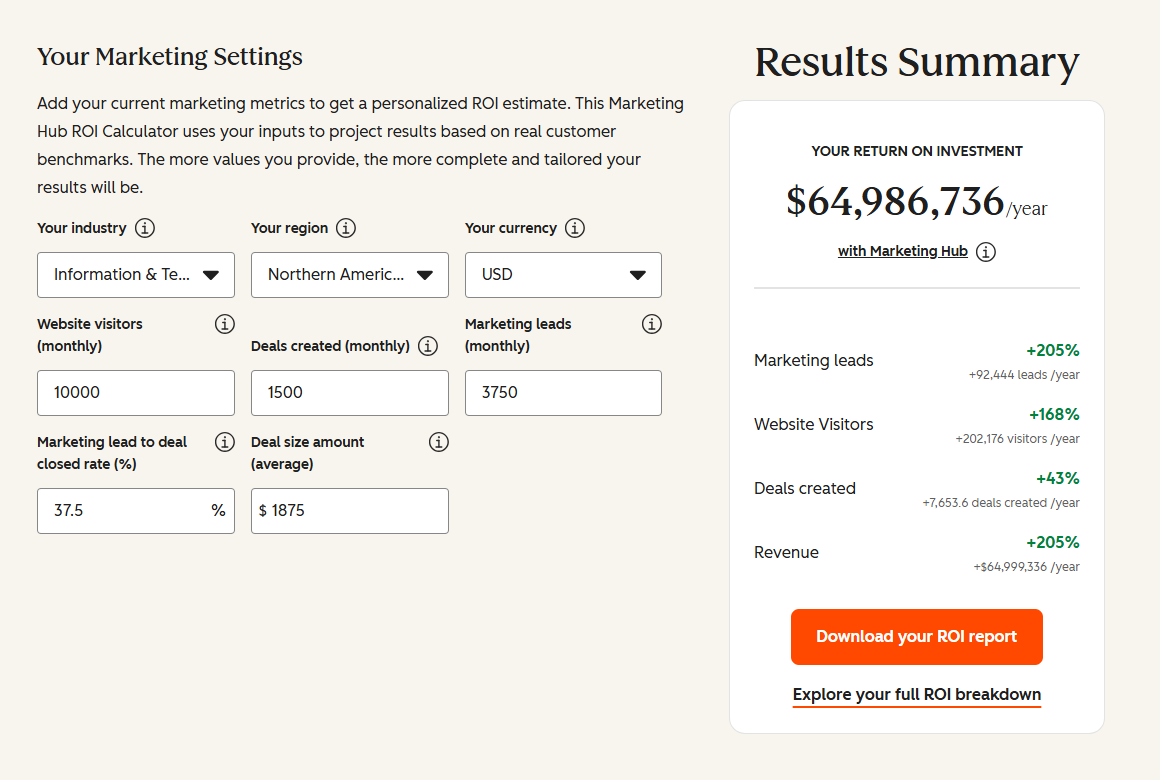
Connect the Rest of Your Revenue Stack
commonsku rarely lives alone in the promo distributor stack. Distributors managing accounting alongside order operations often add a HubSpot QuickBooks integration for AR truth, or a HubSpot Xero integration for international entities. Teams processing payments in-platform layer in a HubSpot Stripe integration for closed-loop revenue attribution from ad spend to funded order. Distributors adding SMS reminders for artwork approval, sample shipping, and order status updates bring in Message IQ, an Integrate IQ product built natively for HubSpot that fires SMS from workflow triggers with 98% read rate for time-sensitive promo industry moments (an artwork proof approval needed by 3pm to hit the decorator’s cutoff, for example). For distributors comparing HubSpot to Mailchimp, our HubSpot vs Mailchimp comparison walks through the tradeoff, and the integration ROI calculator turns the case into a number.

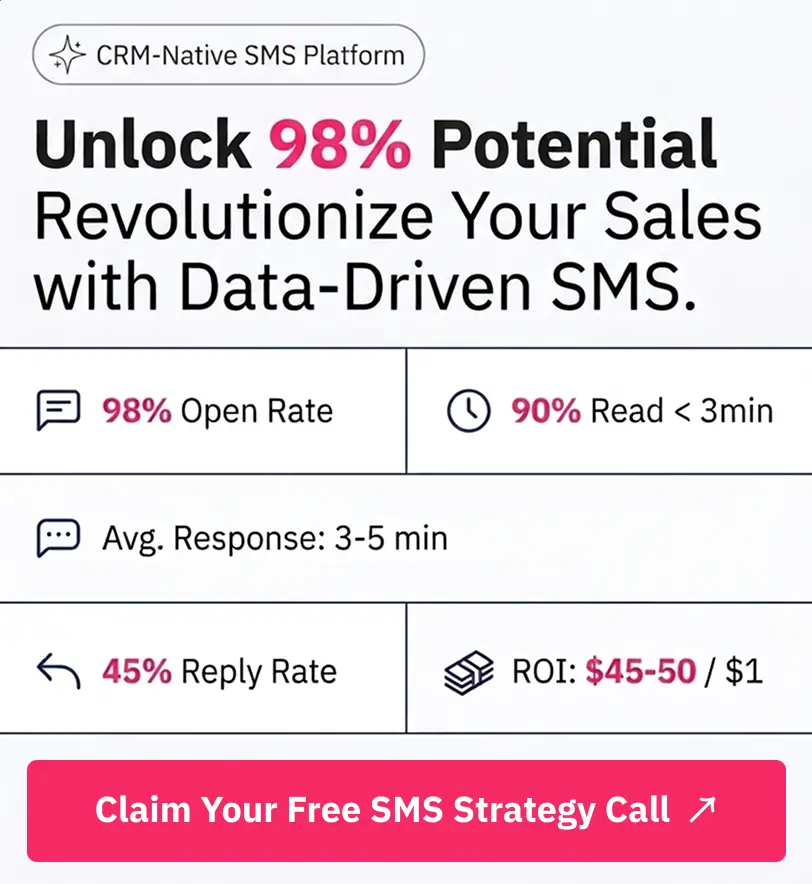
Table of Contents
- What is a HubSpot commonsku integration?
- How does the HubSpot commonsku integration work?
- Does commonsku have a native HubSpot integration?
- Can HubSpot and commonsku sync bi-directionally?
- How long does a custom HubSpot commonsku integration take to build?
- What data can sync between HubSpot and commonsku?
- How a HubSpot commonsku Integration Actually Works
- Three Ways to Connect commonsku and HubSpot
- Promo Distributor Revenue Workflows Once commonsku Data Lives in HubSpot
- What Breaks in a commonsku HubSpot Sync (Beyond the Native Limitations)
- Implementation Timeline: What to Expect
- Connect the Rest of Your Revenue Stack