








































What is a HubSpot Conga integration?
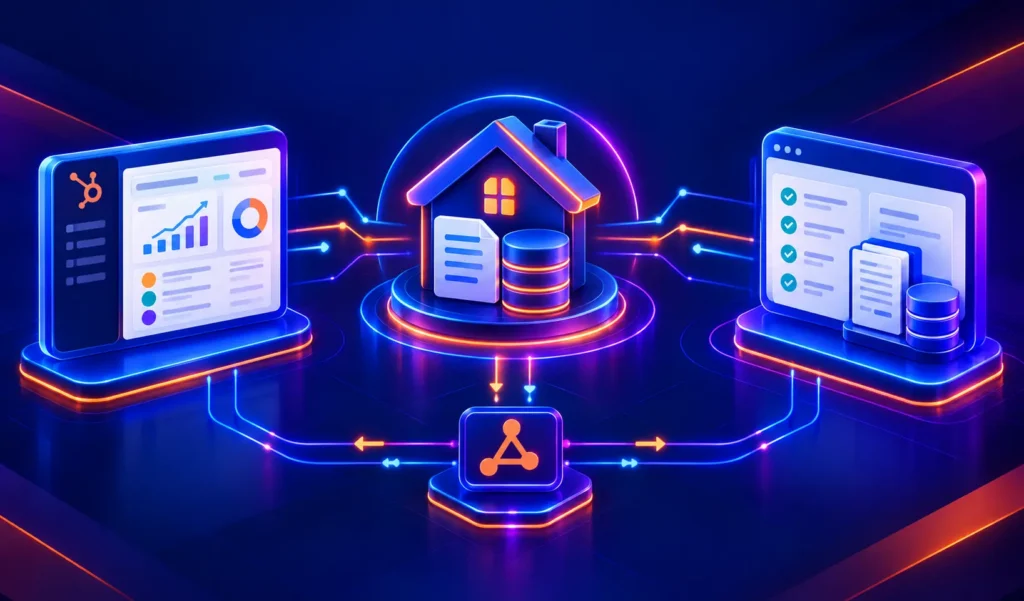
A HubSpot Conga integration is a custom connection that pushes HubSpot deal, contact, and line-item data into Conga to generate contracts, quotes, and proposals, then syncs signature and document status back to the HubSpot deal record so sales, legal and operations see the same contract state in real time.
How does the HubSpot Conga integration work?
It runs through the HubSpot and Conga REST APIs. A deal reaching a defined stage triggers Conga to populate a template with mapped HubSpot fields and generate the document, then routes it for signature. Conga Sign or Composer events write status changes like sent, viewed, or signed back to the HubSpot deal.

Turn HubSpot Into A Real-Time SMS Engine with Message IQ
 Two-Way Conversations
 Shared Team Inbox
 Automation Triggers
 Advanced Reporting
 Compliance Tools
- 98% SMS read within 3 min
- 78% Buy from first responder
- 21× More likely to qualify

*MessageIQ is an IntegrateIQ product – built natively for HubSpot by the same team.
Does HubSpot have a native Conga integration?
No. HubSpot does not offer a native Conga integration, and no major iPaaS platform currently ships a pre-built connector for Conga Contracts or Composer. Teams either build custom API workflows or use Conga’s own Integration Hub. Any deal-to-document automation beyond manual export requires a custom build.
How long does a HubSpot Conga integration take to build?
A custom HubSpot Conga integration takes about 8 weeks from kickoff to production. Discovery runs two weeks, build and staging tests run three, historical document and contract backfill runs one and cutover with hypercare covers the final two weeks. Complex clause logic or multi-entity contracts extend the timeline.
Can HubSpot and Conga sync bi-directionally?
Yes. A custom integration pushes deal, contact, and line-item data from HubSpot into Conga to generate documents, then pulls contract and signature status back into HubSpot as the system of record for sales visibility. Field-level rules decide which system owns each value, so legal edits in Conga are never overwritten.
What data can sync between HubSpot and Conga?
Deals, contacts, companies, and product line items flow from HubSpot into Conga templates and pricing tables. Contract status, signer and recipient details, executed document versions, and Conga Sign events flow back into HubSpot deal and company records. Custom HubSpot objects can also feed Conga through the REST API.
How a HubSpot Conga Integration Actually Works
HubSpot owns the relationship: deal stage, owner, forecast, and buyer engagement. Conga owns the document: template logic, clause conditions, redlines, and the legally binding execution record. A custom integration connects the two so the deal that lives in HubSpot and the contract that lives in Conga never drift apart.
In practice, a rep moves a deal to a stage like Contract Ready. That change fires a trigger that pulls the deal, its line items, and the relevant contact and company fields into a Conga template, which generates the proposal or contract and routes it to Conga Sign. As recipients open, redline, or sign, Conga writes status events back to HubSpot properties and the deal timeline, so the rep never has to ask legal or check a second tool for an update.
None of this syncs by accident. Every field has an assigned system of record: HubSpot owns sales and engagement data, Conga owns document version and clause data, and the integration enforces that boundary so a signed contract in Conga can never be silently overwritten by a stale HubSpot property.
Three Ways to Connect Conga and HubSpot
Not every team needs custom. Here is the honest comparison.
| Factor | Native Marketplace App | Zapier / iPaaS | Custom (Integrate IQ) |
|---|---|---|---|
| Best for | No option exists today | Basic one-way status pushes via a connector builder (Workato, Tray); no packaged Conga connector | Full deal-to-document workflows with clause logic and e-signature status sync |
| Sync direction | N/A, no native app | Typically one-way, built by hand per field | True bi-directional, field-level system of record |
| Custom objects/fields | N/A | Limited, manual mapping per connector | Full support for custom HubSpot objects and Conga templates |
| Document generation and clause logic sync | Not available | Not supported out of the box | Conditional clause logic, template mapping, and pricing table sync built to your legal rules |
| Business logic | N/A | Minimal, mostly trigger-based | Deal-stage gating, approval checks, and conditional document routing |
| Volume handling | N/A | Breaks down at scale with API limits | Built for high-volume quoting and end-of-quarter contract spikes |
| Historical backfill | N/A | Manual, one record at a time | Batch backfill of historical contracts and signature history |
| Maintenance | N/A | You own connector upkeep as APIs change | Included, we monitor and adjust as HubSpot or Conga update their APIs |
There is no packaged shortcut here: HubSpot’s marketplace has no native Conga app, and the iPaaS platforms that list Conga only offer generic connector-builder tools, not a working integration. If you only need to attach a signed PDF to a deal now and then, that manual gap is tolerable. Once reps depend on Conga for every contract and legal needs an audit trail, a custom HubSpot integration is what actually closes the gap.
Revenue Workflows You Can Automate Once Conga Data Lives in HubSpot
- Stage-triggered contract generation. A deal reaching “Contract Ready” fires Conga to pull line items and signer details and generate the contract automatically, so reps stop assembling documents by hand.
- Signature status handoff. Conga Sign events for sent, viewed, and signed write to the HubSpot deal timeline and properties in real time, so reps and managers see deal health without opening Conga.
- Executed document capture. Once a contract is fully signed, the integration retrieves the final PDF and attaches it to the HubSpot deal and company record for easy reference during renewals or disputes.
- Stalled contract escalation. A deal sitting in “Contract Sent” past a set number of days triggers a HubSpot task to the rep and an alert to their manager before the deal goes cold.
- Renewal document pre-generation. As a contract’s end date approaches, a HubSpot workflow creates a CSM task and triggers Conga to pre-generate the renewal document from the original terms.
What Breaks in a Conga HubSpot Sync, and How We Prevent It
- Duplicate records and identity resolution. Signers created in Conga without a clean match to existing HubSpot contacts create duplicate records. We resolve identity against HubSpot before any document generates.
- System-of-record conflicts. Without a clear owner per field, a legal edit inside Conga can get overwritten by a stale HubSpot sync. We assign system of record field by field so that never happens.
- Field mapping and status value drift. Conga’s contract status values (Draft, Sent, Signed) don’t map cleanly to HubSpot’s default deal stages. We build the translation layer so reports stay accurate.
- Template and clause-library version drift. Legal updates a clause library or pricing template in Conga; if the HubSpot properties feeding that template are stale, generated documents reference outdated pricing or terms. We version-check templates against source data before generation.
- API rate limits at volume. Across our client base we move 16 billion plus records annually and 7 million fields daily, so we batch, checkpoint, and throttle by design instead of by accident.
Implementation Timeline: What to Expect
Most HubSpot Conga integrations complete inside eight weeks of kickoff. The first two weeks cover discovery: object inventory in both systems, field-by-field mapping, system of record decisions, and a full audit of your Conga template and clause library. Weeks three to five are build and unit testing against a staging Conga instance and a HubSpot sandbox. Week six runs the historical backfill and reconciliation. Weeks seven and eight cover user acceptance testing, cutover, and hypercare. Post-launch monitoring is included, so if a Conga configuration changes or HubSpot pushes an API update, we see it before your reports do. Full detail is on our HubSpot integration process page and 98.5% of clients renew for a follow-on scope.
See your 12-month revenue impact with HubSpot CRM
Enter your current numbers — visitors, leads, deal size — and get a personalized projection based on real HubSpot customer benchmarks.
Calculate My ROI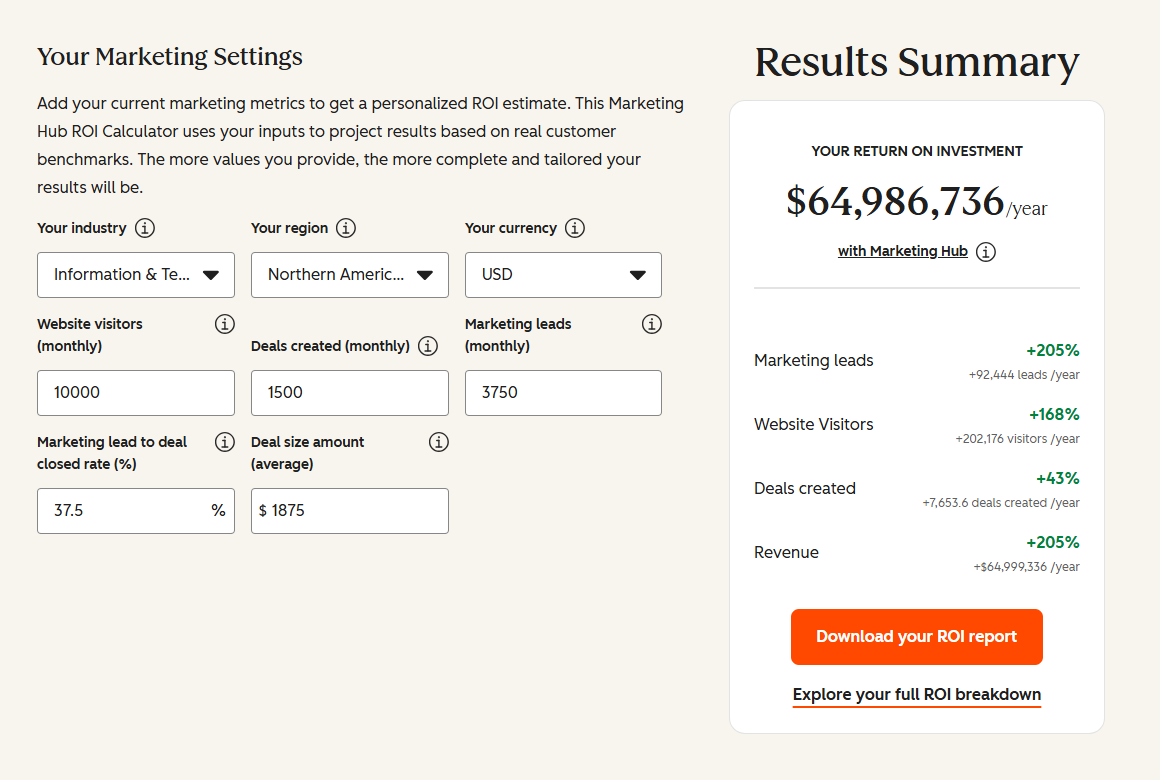
Connect the Rest of Your Revenue Stack
Most Conga deployments sit inside a broader revenue stack. If your team also runs Salesforce alongside HubSpot for the sales side, our hubspot-salesforce integration keeps both systems aligned instead of forcing a choice between them. Once a contract executes, that revenue often needs to land in your ERP; our HubSpot NetSuite integration handles the invoice and revenue recognition side of quote-to-cash. For contract logic beyond standard field mapping, our full-stack development team builds the custom clause and approval logic Conga alone can’t handle. See how the numbers work for your team with our integration ROI calculator or read our breakdown of HubSpot vs Salesforce if you’re still deciding where sales data should live. For the wider picture, our list of the 25 best HubSpot integrations covers where Conga fits among other must-have connections

Table of Contents
- What is a HubSpot Conga integration?
- How does the HubSpot Conga integration work?
- Does HubSpot have a native Conga integration?
- How long does a HubSpot Conga integration take to build?
- Can HubSpot and Conga sync bi-directionally?
- What data can sync between HubSpot and Conga?
- How a HubSpot Conga Integration Actually Works
- Three Ways to Connect Conga and HubSpot
- Revenue Workflows You Can Automate Once Conga Data Lives in HubSpot
- What Breaks in a Conga HubSpot Sync, and How We Prevent It
- Implementation Timeline: What to Expect
- Connect the Rest of Your Revenue Stack