







































What is a HubSpot Constant Contact integration?
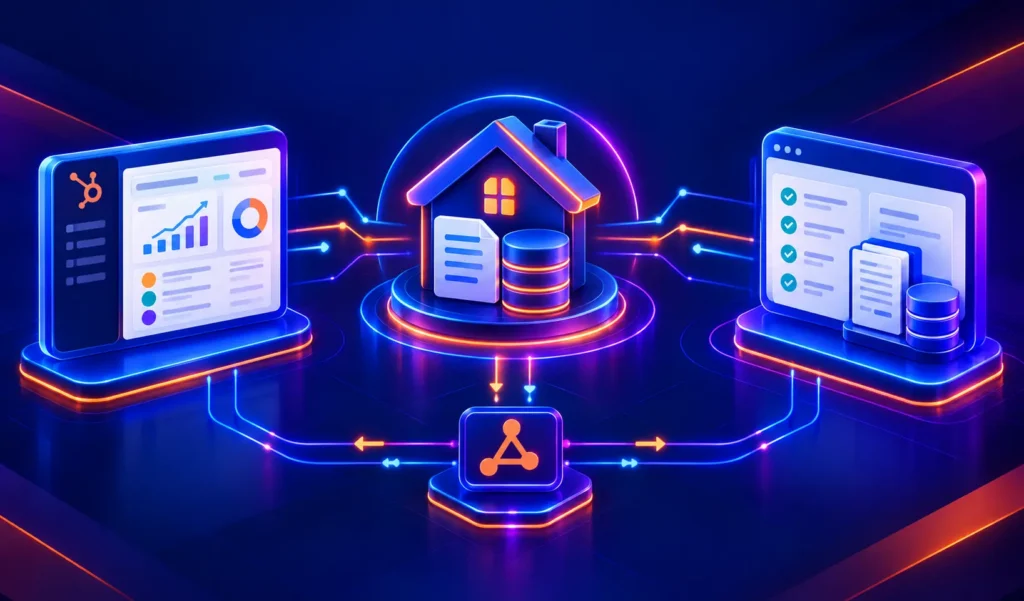
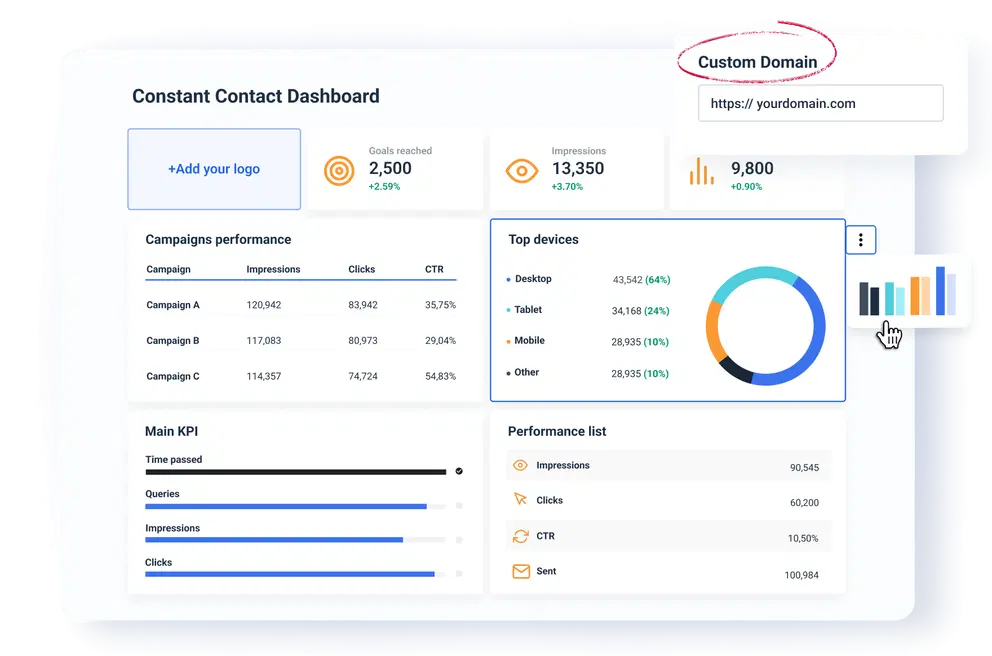
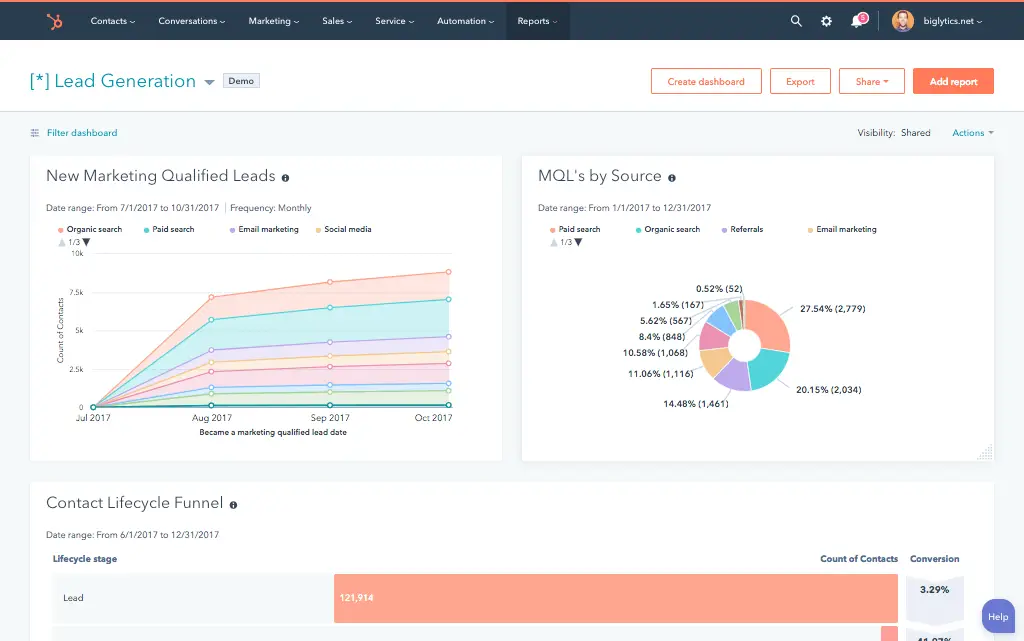
A HubSpot Constant Contact integration is a two-way data connection that syncs contacts, program membership, lead scores and email engagement between the two platforms in near real time. It keeps Constant Contact campaign activity visible inside HubSpot and pushes HubSpot lifecycle and property data back to Constant Contact for accurate lead handoff and attribution.
How does the HubSpot Constant Contact integration work?
It works through the HubSpot and Constant Contact REST APIs, with field mapping, deduplication and a defined system of record for every object. When a contact updates, opens an email, or clicks a link in either system, the sync writes the change to the other within minutes. Bi-directional rules control which fields flow which direction.

Turn HubSpot Into A Real-Time SMS Engine with Message IQ
 Two-Way Conversations
 Shared Team Inbox
 Automation Triggers
 Advanced Reporting
 Compliance Tools
- 98% SMS read within 3 min
- 78% Buy from first responder
- 21× More likely to qualify

*MessageIQ is an IntegrateIQ product – built natively for HubSpot by the same team.
Does HubSpot have a native Constant Contact integration?
HubSpot does not maintain a first-party Constant Contact integration for full marketing automation use cases. Operations Hub’s data sync app covers basic contact and list fields but does not support program membership, lead score sync, or deep campaign attribution. Teams that need those signals in HubSpot typically move to a custom-built integration.
How long does a HubSpot Constant Contact integration take to build?
A custom HubSpot Constant Contact integration takes about 8 weeks from kickoff to production. Discovery runs two weeks, build and staging tests run three, historical backfill runs one, and cutover with hypercare covers the final two weeks. Timelines extend for accounts with heavy list segmentation or high email volume.
Can HubSpot and Constant Contact sync bi-directionally?
Yes. Bi-directional sync is standard in a custom HubSpot Constant Contact integration. You define system of record at the field level, so campaign and engagement data flows from Constant Contact, lifecycle stage and deal context flows from HubSpot, and conflicts are resolved by rule. The native data sync app only supports one-way contact updates.
What data can sync between HubSpot and Constant Contact?
Contacts, custom fields, list and program membership, and email engagement data (opens, clicks, campaign names, bounces) sync both ways, along with HubSpot lifecycle stage, deal context, and lead score. Field mapping is configured per project so only relevant data flows and each field has a clear owner.
How a HubSpot Constant Contact Integration Actually Works
A HubSpot Constant Contact integration works by giving each system ownership of the data it generates natively. Constant Contact owns campaign and engagement truth: opens, clicks, bounces, and list membership. HubSpot owns relationship truth: lifecycle stage, deal context, and lead score.
When a contact opens a key email or clicks a link in Constant Contact, that event writes to the HubSpot contact timeline and can increment lead score within minutes. When a HubSpot property changes, such as lifecycle stage moving to Customer, that change can move the contact into a different Constant Contact list or trigger a new email series.
Neither side syncs everything by default. Field-level rules decide exactly what crosses the boundary and in which direction, so marketing does not end up managing sales fields and sales does not end up managing campaign fields.
Three Ways to Connect Constant Contact and HubSpot
Not every team needs custom. Here is the honest comparison.
| Factor | Native Marketplace App | Zapier / iPaaS | Custom (Integrate IQ) |
|---|---|---|---|
| Best for | Basic list sync for small teams on Operations Hub Starter | Simple one-way triggers between the two tools | Revenue teams that need lead scoring and campaign attribution in HubSpot |
| Sync direction | Mostly one-way, contact and list data only | One-way per Zap, multiple Zaps needed for two-way | True bi-directional sync with field-level system of record |
| Custom objects/fields | Standard fields only, limited custom property mapping | Field mapping possible but breaks silently on schema changes | Full support for custom HubSpot properties and Constant Contact custom fields |
| Lead scoring and campaign attribution sync | Not supported | Possible with multiple chained Zaps, fragile at scale | Native: email opens and clicks feed HubSpot lead score and attribution directly |
| Business logic | None, field mapping only | Basic filters and conditional Zaps | Full custom rules: score thresholds, segment logic, suppression handling |
| Volume handling | Degrades past a few thousand contacts | Rate-limited per Zapier plan tier | Built for high-volume batch and real-time sync without throttling |
| Historical backfill | Not supported, syncs go live forward only | Manual CSV workaround required | Included as a dedicated project phase |
| Maintenance | You manage list/field changes manually | You own broken Zaps when either API changes | IntegrateIQ monitors, alerts, and maintains the sync |
If you send one newsletter to one list and never touch lead scoring, the native data sync app is genuinely enough. The moment email engagement needs to move a HubSpot lead score or you are managing more than a handful of segments, the native app and Zapier both start costing more in manual cleanup than a custom build would. That is where our custom HubSpot integration services (opens in a new tab) come in.
Marketing Workflows You Can Automate Once Constant Contact Data Lives in HubSpot
- Score threshold crossed. A contact’s lead score rises past your MQL threshold after opening and clicking a Constant Contact campaign. HubSpot fires a workflow that reassigns the contact to a sales rep with full engagement history attached.
- Nurture completion handoff. A contact finishes a Constant Contact welcome or nurture series without converting. HubSpot creates a task for the assigned rep and enrolls the contact in a sales-side follow-up sequence.
- Email engagement segmentation. Opens and clicks on specific Constant Contact campaigns update HubSpot list membership and custom properties, so both platforms reflect the same real-time segment without manual list exports.
- Event registration follow-up. A contact registers for or attends a Constant Contact-promoted event. HubSpot logs the activity and triggers a sales alert plus a personalized follow-up sequence.
- Suppression list sync. Unsubscribes and bounces in Constant Contact write back to HubSpot suppression properties immediately, so an unsubscribed contact never re-enters an active HubSpot workflow or the reverse.
What Breaks in a Constant Contact HubSpot Sync, and How We Prevent It
- Duplicate records and identity resolution. When a contact subscribes through a Constant Contact form and already exists in HubSpot under a different email or spelling, naive syncs create a second record. We match on multiple identity fields and merge before write, not after.
- System-of-record conflicts. Both platforms can technically hold a contact’s name or company field. We define ownership per field up front, so an edit in the wrong system does not silently overwrite the correct value.
- Field mapping and custom property drift. Constant Contact custom fields and HubSpot custom properties are not guaranteed to stay aligned when either team adds a field. We version the mapping and alert on schema drift instead of failing silently.
- Lead score and program membership drift. Constant Contact models campaigns and list membership as its own objects, separate from HubSpot’s lifecycle stage and lead scoring model. Without careful translation, scores stall and attribution reporting breaks. We build an explicit mapping layer between the two scoring models.
- API rate limits at volume. Across our client base we move 20 billion plus fields annually across 300 plus platforms, so we batch, checkpoint, and throttle syncs by design instead of by accident.
Implementation Timeline: What to Expect
Most HubSpot Constant Contact integrations complete inside eight weeks of kickoff. The first two weeks cover discovery: object inventory in both systems, field-by-field mapping, system of record decisions, and a review of how your lists and segments are currently structured. Weeks three to five are build and unit testing against a staging Constant Contact account and a HubSpot sandbox. Week six runs the historical backfill and reconciliation. Weeks seven and eight cover user acceptance testing, cutover, and hypercare. Post-launch monitoring is included, so if Constant Contact changes a field or HubSpot pushes an API update, we see it before your reports do. Full detail is on our HubSpot integration process (opens in a new tab) page, and 98.5% of clients renew for a follow-on scope.
See your 12-month revenue impact with HubSpot CRM
Enter your current numbers — visitors, leads, deal size — and get a personalized projection based on real HubSpot customer benchmarks.
Calculate My ROI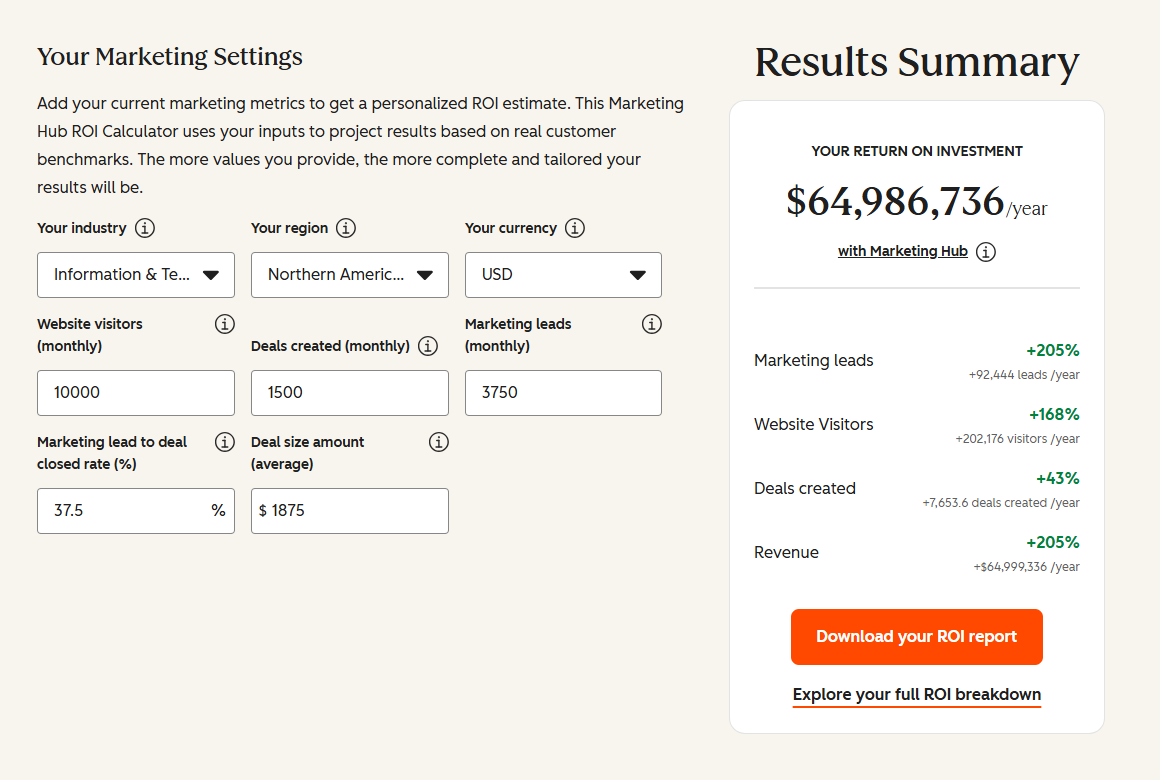
Connect the Rest of Your Revenue Stack
Constant Contact rarely runs alone. If your sales team also lives in a HubSpot Salesforce integration (opens in a new tab), a synced integration keeps lead handoff consistent across both CRMs. Teams pulling engagement data into a central data model often add a HubSpot Snowflake integration (opens in a new tab) for customer 360 reporting. If you are also evaluating a HubSpot Klaviyo integration (opens in a new tab) for ecommerce-driven email, our comparisons page breaks down the tradeoffs. And before you scope any of it, run the numbers with our Integration ROI Calculator (opens in a new tab) to see what manual handoffs are already costing you.

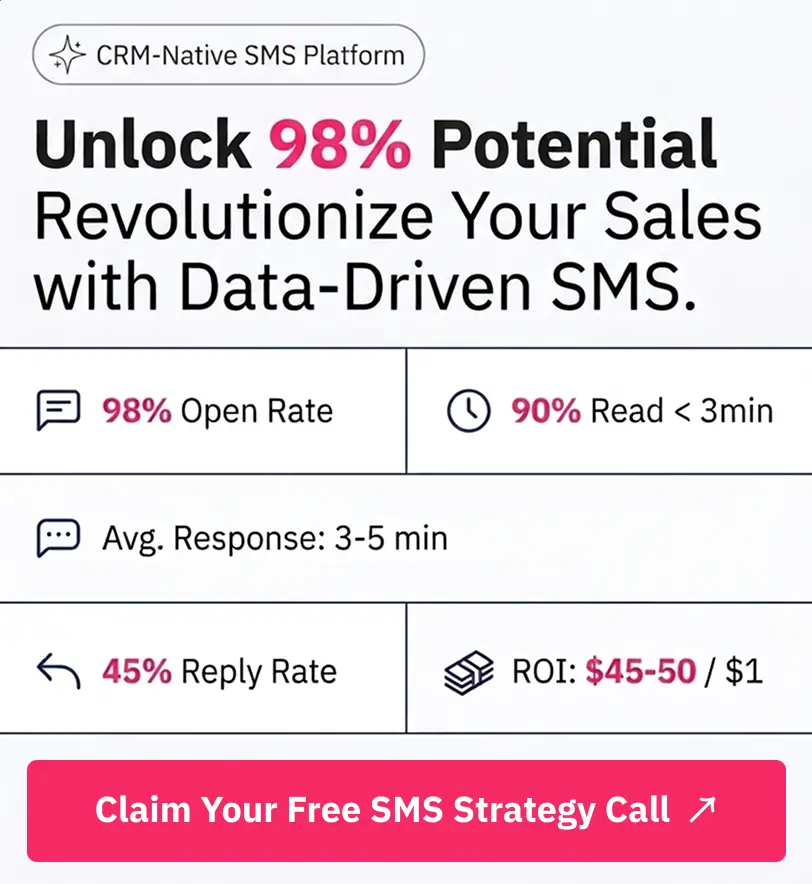
Table of Contents
- What is a HubSpot Constant Contact integration?
- How does the HubSpot Constant Contact integration work?
- Does HubSpot have a native Constant Contact integration?
- How long does a HubSpot Constant Contact integration take to build?
- Can HubSpot and Constant Contact sync bi-directionally?
- What data can sync between HubSpot and Constant Contact?
- How a HubSpot Constant Contact Integration Actually Works
- Three Ways to Connect Constant Contact and HubSpot
- Marketing Workflows You Can Automate Once Constant Contact Data Lives in HubSpot
- What Breaks in a Constant Contact HubSpot Sync, and How We Prevent It
- Implementation Timeline: What to Expect
- Connect the Rest of Your Revenue Stack