








































What is a HubSpot Magento integration?
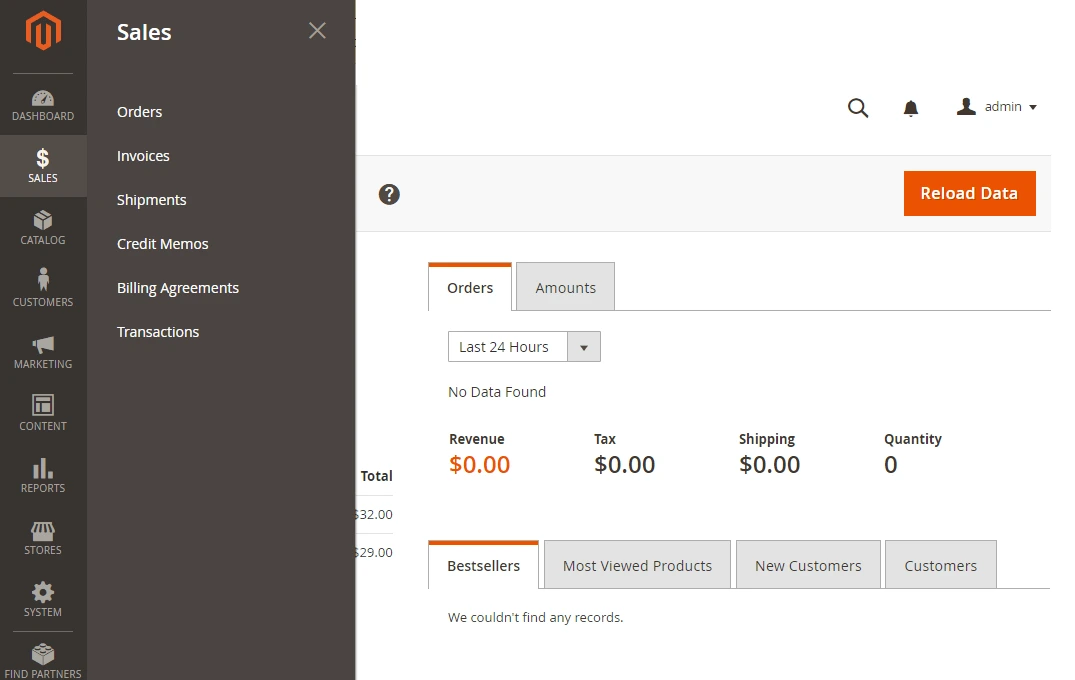
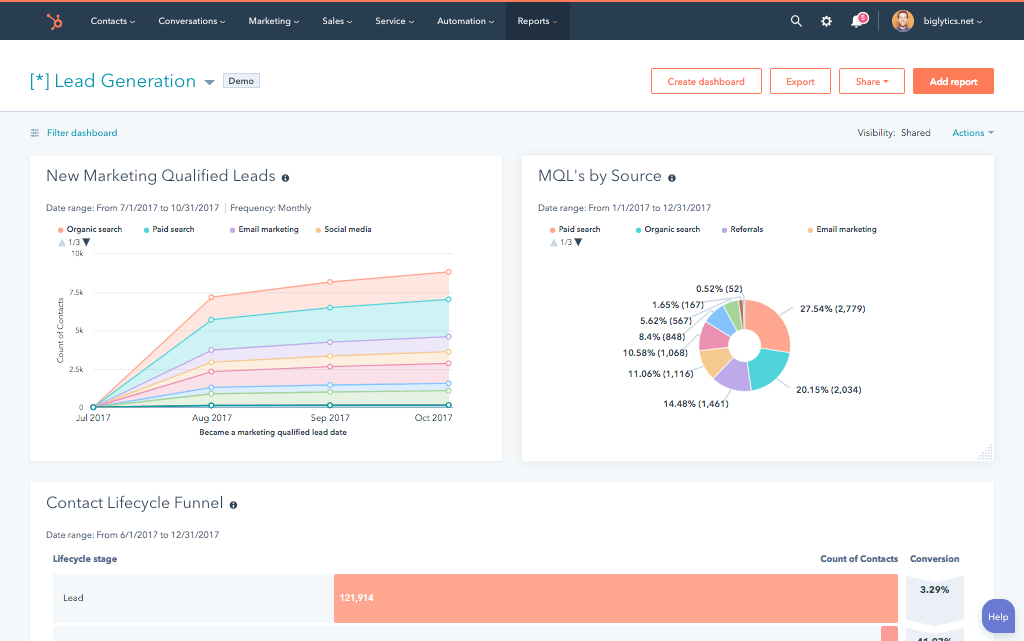
A HubSpot Magento integration connects your Adobe Commerce or Magento store to HubSpot syncing customers, companies, orders, and product data so sales and marketing teams can run segmentation, attribution, and account management off real store data instead of manual exports.
How does the HubSpot Magento integration work?
The integration maps Magento customers, companies, orders, and products to HubSpot contacts, companies, deals, and custom objects, then keeps both systems current. New orders and quotes can create or update HubSpot deals automatically, while HubSpot lifecycle or pricing data can flow back to set Magento customer groups.

Turn HubSpot Into A Real-Time SMS Engine with Message IQ
 Two-Way Conversations
 Shared Team Inbox
 Automation Triggers
 Advanced Reporting
 Compliance Tools
- 98% SMS read within 3 min
- 78% Buy from first responder
- 21× More likely to qualify

*MessageIQ is an IntegrateIQ product – built natively for HubSpot by the same team.
Is there a native HubSpot app for Magento?
Yes, several. Marketplace connectors like Unific’s Magento 2 Sync and MakeWebBetter’s HubSpot Magento integration are certified apps that handle basic customer, order, and abandoned cart syncing. They work well for standard B2C setups but generally don’t handle Magento’s B2B Commerce features, like Shared Catalogs, Negotiable Quotes, or company hierarchies.
How long does a HubSpot Magento integration take to build?
A custom HubSpot Magento integration typically takes 8 weeks: 2 weeks of discovery and field mapping, 3 weeks of build and staging, 1 week for historical order and customer data backfill, and 2 weeks for testing and go-live support. Multi-website setups or heavy B2B customization can extend the timeline.
Can HubSpot and Magento sync bi-directionally?
Yes. A custom integration can sync new orders, quotes, and company data from Magento into HubSpot, and push lifecycle stage or negotiated pricing changes from HubSpot back into Magento to update a company’s Shared Catalog or customer group. Direction and timing are configurable per object.
Does a HubSpot Magento integration support B2B features like Negotiable Quotes and Shared Catalogs?
A native marketplace connector generally won’t, since those are built for standard B2C data. A custom integration can sync Negotiable Quote status, Requisition List activity, and Shared Catalog or company account data into HubSpot, giving sales and account managers visibility into B2B-specific buying behavior a standard connector doesn’t capture.
How a HubSpot Magento Integration Actually Works
A HubSpot Magento integration works by giving each system ownership of what it does best: Magento owns catalog, order, and B2B commerce truth, while HubSpot owns relationship and marketing truth. The integration keeps both current without manual exports.
In the Magento-to-HubSpot direction, new orders, quotes, Shared Catalog assignments, and company account activity sync into HubSpot as deals, contacts, and company properties, feeding segmentation and account management with real B2B purchasing data.
In the HubSpot-to-Magento direction, lifecycle stage changes or negotiated pricing agreed in a HubSpot deal can update a company’s Shared Catalog or customer group in Magento, so the storefront reflects what sales already agreed to.
Three Ways to Connect Magento and HubSpot
Not every team needs custom. Here is the honest comparison.
| Factor | Native Marketplace App | Zapier / iPaaS | Custom (Integrate IQ) |
|---|---|---|---|
| Best for | Standard B2C stores with simple catalogs | Simple one-way order or contact syncing | B2B storefronts using Adobe Commerce’s B2B features at scale |
| Sync direction | One-way, Magento to HubSpot typically | One-way per Zap, several needed for two-way | True bi-directional, configurable per object |
| Custom objects/fields | Standard fields only | Limited, mapped per action | Full mapping of custom attributes, company hierarchies, and B2B pricing fields |
| B2B Commerce feature support | Not supported, built for standard B2C data | Not supported | Negotiable Quotes, Requisition Lists, Shared Catalogs, and Company Credit synced and actionable in HubSpot |
| Business logic | None or minimal | Basic conditional logic per Zap | Custom rules, e.g. sync only orders over a set value or from a specific Shared Catalog |
| Volume handling | Fine at low-to-moderate order volume | Task limits and throttling at scale | Built for thousands of SKUs, multiple websites, and high order volume without timeouts |
| Historical backfill | Limited, some marketplace apps support partial export | Not supported | Full historical load of orders, customers, and quotes into HubSpot |
| Maintenance | Vendor-managed, limited control | You manage it, breaks silently on catalog changes | Monitored, maintained, and supported |
If you run a standard B2C storefront, a marketplace connector like Unific or MakeWebBetter’s app will likely cover your needs. Once you’re running Adobe Commerce B2B features like Shared Catalogs, Negotiable Quotes, or multi-website company accounts, a custom integration is what makes that data usable in HubSpot instead of invisible.
B2B Commerce Workflows You Can Automate Once Magento Data Lives in HubSpot
- Negotiable Quote Follow-Up. When a Negotiable Quote sits pending in Magento past a set number of days without customer response, HubSpot creates a task for the account manager to follow up, instead of the quote quietly expiring.
- Requisition List Reorder Signals. When a company’s Requisition List in Magento shows repeat additions of the same SKUs, HubSpot flags the account for a proactive reorder or bulk-pricing conversation instead of waiting for the customer to check out.
- Company Credit Limit Alerts. As a B2B company account in Magento approaches its assigned credit limit, HubSpot notifies AR and sales before the next order attempt fails at checkout.
- Multi-Website Attribution Rollup. For brands running multiple Magento websites or store views under one Adobe Commerce instance, HubSpot rolls up company and order activity across all storefronts into a single account view, instead of one fragmented view per site.
- Configurable Product Interest Signals. When a contact repeatedly views specific configurable product variants, a certain size, finish, or spec, without purchasing HubSpot triggers a targeted follow-up referencing that exact variant, not just the parent product.
What Breaks in a Magento HubSpot Sync, and How We Prevent It
- Duplicate records and identity resolution. Guest checkouts and B2B buyers ordering under multiple contact emails within one company account create duplicate HubSpot records. We de-duplicate on a stable company-plus-contact identity key, not email alone.
- System-of-record conflicts. Sales may update a company’s negotiated pricing in HubSpot while ops updates the same Shared Catalog assignment directly in Magento. We define one source of truth per field and lock competing writes.
- Field mapping and status value drift. Magento order and quote statuses don’t map cleanly to HubSpot deal stages by default. We build a translation layer so pipeline reporting never silently diverges from what’s actually happening in the store.
- Non-standard triggers bypassing the sync. Custom Magento extensions or ERP-driven stock and price updates often write directly to the database or bypass Magento’s standard observer and event triggers, so syncs built on those triggers silently miss the update. We audit how your specific Magento instance actually writes data before building the sync, not just what the documentation assumes.
- API rate limits at multi-website volume. High order volume across multiple Magento websites or store views can hit API limits during bulk syncs. Across 300+ platform integrations moving 20 billion plus fields annually, we batch and throttle high-volume syncs by design, not by accident.
Implementation Timeline: What to Expect
Most HubSpot Magento integrations ship in 8 weeks. The first 2 weeks cover discovery and field mapping, including which B2B features and websites are in scope. The next 3 weeks cover build and staging against a Magento sandbox. Week 6 handles historical order and customer data backfill. The final 2 weeks cover user acceptance testing, cutover, and hypercare support. Our HubSpot integration process is the same repeatable framework behind our 98.5% client retention rate.
See your 12-month revenue impact with HubSpot CRM
Enter your current numbers — visitors, leads, deal size — and get a personalized projection based on real HubSpot customer benchmarks.
Calculate My ROI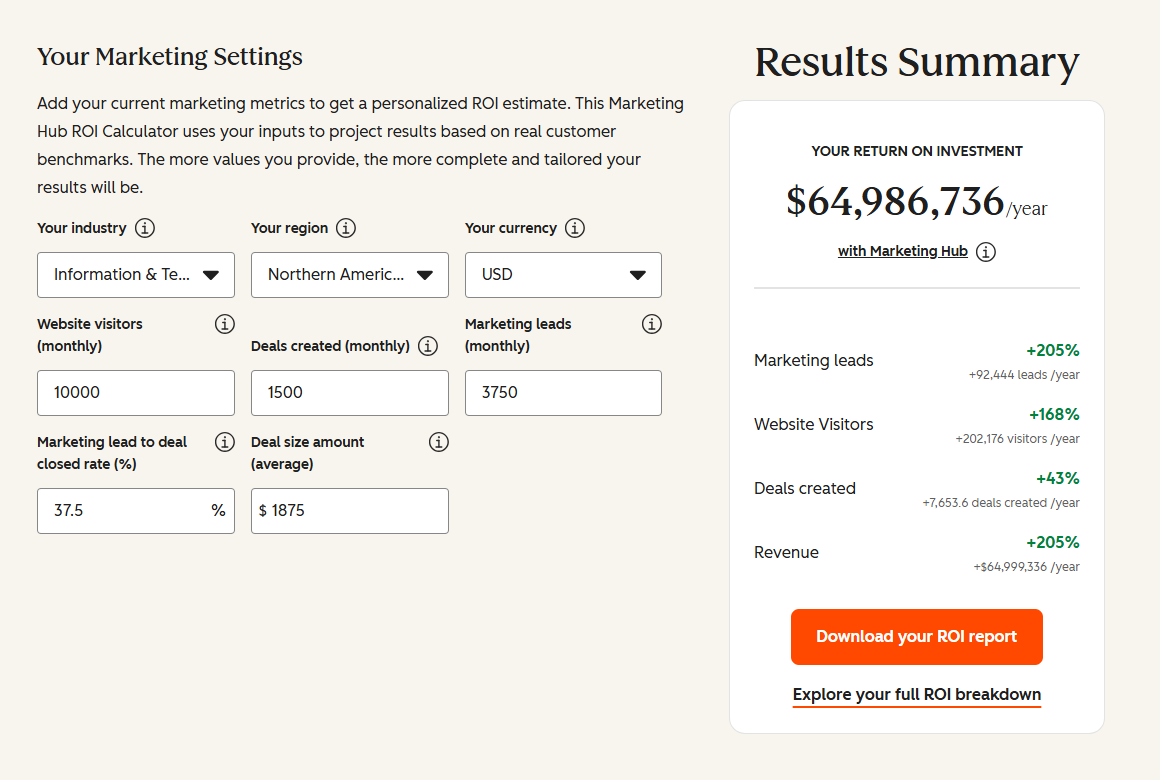
Connect the Rest of Your Revenue Stack
Magento order and company data rarely stays useful on its own, especially for the distributors and manufacturers this integration is built for. Backend reconciliation often runs through a HubSpot NetSuite integration for multi-entity finance and inventory, or a HubSpot QuickBooks integration for accounting. If manufacturing is your world, see our dedicated manufacturing industry work. Migrating off a legacy CRM at the same time? Our CRM migration services cover that. Not sure what any of this is worth to your team? Run the numbers on our Integration ROI Calculator.

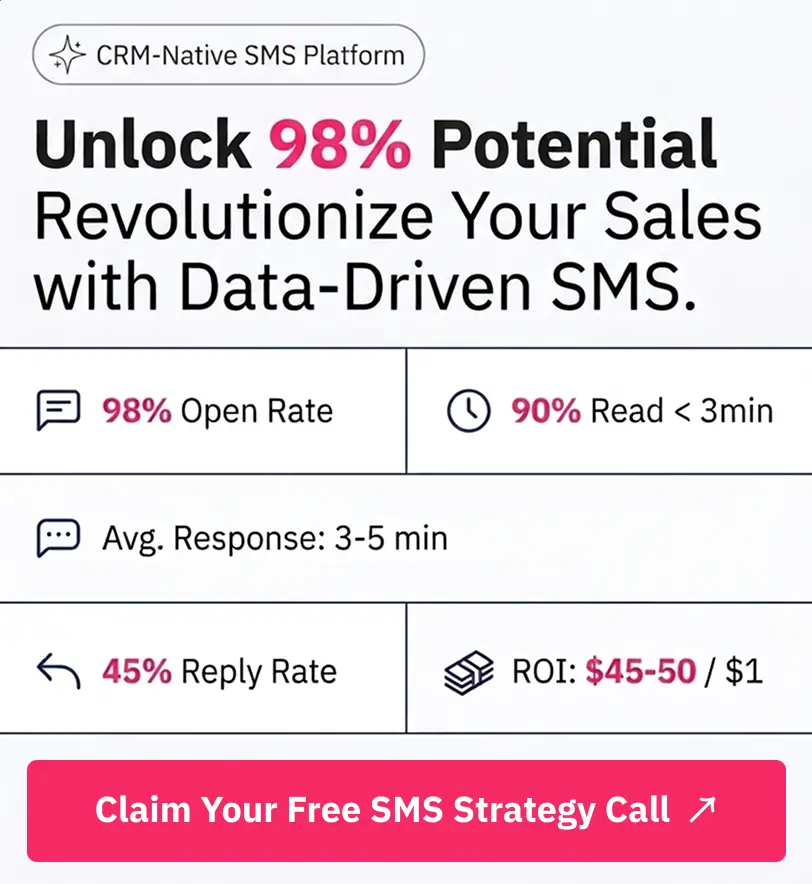
Table of Contents
- What is a HubSpot Magento integration?
- How does the HubSpot Magento integration work?
- Is there a native HubSpot app for Magento?
- How long does a HubSpot Magento integration take to build?
- Can HubSpot and Magento sync bi-directionally?
- Does a HubSpot Magento integration support B2B features like Negotiable Quotes and Shared Catalogs?
- How a HubSpot Magento Integration Actually Works
- Three Ways to Connect Magento and HubSpot
- B2B Commerce Workflows You Can Automate Once Magento Data Lives in HubSpot
- What Breaks in a Magento HubSpot Sync, and How We Prevent It
- Implementation Timeline: What to Expect
- Connect the Rest of Your Revenue Stack