


Free estimator
Know what your HubSpot project costs before the first call.
Select your services and get a transparent price range in minutes. No sales call needed to get a number.
Connect HubSpot to your ERP, billing platform, or database field mapping, custom logic, and support included.
Pipelines, workflows, email templates, and reporting configured for how your team actually works.
Live, role-based sessions with recordings and written guides built around a custom plan for your team.
HubSpot Partner
Client retention
Platforms integrated
Key Takeaways
- The “One-Click” Winners: Shopify and BigCommerce offer the deepest native integrations, making them the fastest route to revenue recovery.
- The Enterprise Beasts: Magento (Adobe) and Sitecore OrderCloud require robust custom setups but offer unmatched flexibility for complex B2B catalogs.
- The WordPress Wonder: WooCommerce remains the king of flexibility, but requires reliable middleware to prevent data sync errors.
- The ERP Connectors: Sana Commerce excels at bridging the gap between your backend ERP and your front-end store, using HubSpot as the communication layer.
- Revenue Operations: The goal isn’t just “connecting” tools; it’s using purchase data to build smart product segments that drive repeat buys.
The Bigger Picture: Why Your Store Needs a Brain
In 2026, an online store without a CRM is just a digital vending machine. It might dispense a product, but it doesn’t know who bought it, why they bought it, or when they might need another one.
The “Black Hole” of eCommerce data is a silent revenue killer. If your transaction data lives in Shopify but your email list lives in HubSpot, you are sending generic “spray and pray” newsletters instead of targeted “Replenish your supply” reminders.
By integrating your eCommerce platform with HubSpot, you move from transactional selling to relational selling. You can track exactly which blog post led to a purchase, recover abandoned carts with personalized video messages, and calculate the true Customer Lifetime Value (CLV) of your ad spend.
Here are the eight platforms that actually play nice with HubSpot this year.
Shopify: The Gold Standard for Native Sync
Shopify is the default answer for a reason. Its relationship with HubSpot is practically symbiotic. If you want the path of least resistance, this is it.
Why it wins: The native HubSpot for Shopify integration is robust and maintained directly by HubSpot. It goes beyond simple contact syncing.
- Abandoned Cart Recovery: It automatically creates a “deal” in HubSpot when a cart is abandoned, allowing you to trigger sophisticated multi-channel recovery workflows (email + SMS).
- Product Segmentation: You can create active lists in HubSpot based on specific SKUs purchased. (e.g., “Contacts who bought Running Shoes but not Socks“).
- RFM Analysis: It syncs Recency, Frequency, and Monetary data, letting you identify your VIPs automatically.

Turn HubSpot Into A Real-Time SMS Engine with
Message IQ

Two-Way Conversations

Shared Team Inbox

Automation Triggers

Advanced Reporting

Compliance Tools
-
98%
SMS read within 3 min -
78%
Buy from first responder -
21×
More likely to qualify
3–5 min avg response
$45–$50 ROI / $1

*MessageIQ is an IntegrateIQ product – built natively for HubSpot by the same team.
BigCommerce: The Scalable Challenger
For brands that outgrow Shopify’s variant limits or need complex API capabilities, BigCommerce is the logical next step.
The operational edge: BigCommerce’s open API architecture pairs beautifully with HubSpot. The integration supports:
- B2B/Wholesale Filtering: If you run a hybrid store (B2B and B2C), you can map customer groups in BigCommerce to specific HubSpot lists, ensuring wholesale buyers don’t get “10% off retail” emails.
- Custom Field Mapping: It handles complex product data better than most, allowing for detailed product data synchronization that powers hyper-specific marketing filters.
Magento (Adobe Commerce): The Enterprise Powerhouse
Magento is not for the faint of heart. It is powerful, complex, and requires a dedicated dev team. But for global brands, it’s often the only choice.
Why it matters: There is no “one-click” native button here that covers everything. Most successful Magento-HubSpot connections are custom integrations or use middleware like Unific.
- Complex Order Management: Magento stores often have complex order statuses (e.g., “Backordered,” “Partial Ship”). A custom integration ensures these nuances are reflected in HubSpot, so support reps don’t get blindsided.
- Multi-Store Sync: If you run 10 international storefronts from one Magento install, a custom setup can route leads to the correct regional HubSpot team automatically.
WooCommerce: The Flexible WordPress Native
If your content is on WordPress, keeping your store there with WooCommerce feels natural.
The integration reality: Because WooCommerce is open-source, the integration quality depends on the plugin you choose (e.g., MWB or Unific).
- Content + Commerce: Since your blog and store are on the same domain, tracking the user journey in HubSpot is seamless. You can see exactly which articles a user read before buying a $50 product.
- Subscription Management: With the right setup, you can trigger HubSpot workflows based on subscription renewals or failures handled by WooCommerce Subscriptions.
Sitecore OrderCloud: The Headless B2B Choice
For manufacturers and distributors building “Headless” commerce experiences, Sitecore OrderCloud (formerly Four51) is a top contender.
How it transforms ops: This is strictly API-first territory. You aren’t connecting a “store”; you are connecting a data pipeline.
- B2B Approval Workflows: Complex buying hierarchies (e.g., a junior buyer adds to cart, a manager approves) can be mirrored in HubSpot deals, giving sales reps visibility into where a big order is stuck.
- Custom Catalogs: Syncing different price books to different HubSpot companies allows for accurate quoting inside the CRM.
PrestaShop: The International Favorite
Popular in Europe and Latin America, PrestaShop offers strong multi-language support.
Key capabilities:
- Locale-Based Routing: A good integration will capture the customer’s language preference from PrestaShop and map it to a HubSpot property. This ensures your automated follow-up emails are sent in French to French buyers, not English.
- GDPR Compliance: Given its user base, PrestaShop integrations often have better native handling of EU data privacy rules, ensuring marketing consent is synced accurately to HubSpot.
Sylius: The Framework for Custom Projects
Sylius is built on Symfony and is loved by developers who hate “bloat.” It’s for brands who want a custom eCommerce application, not just a store.
The strategic shift:
- Event-Driven Marketing: Because Sylius is developer-centric, you can trigger HubSpot events for highly specific actions like “User used the ‘Compare Products’ feature” allowing for incredibly niche retargeting.
- Performance: Sylius is fast. A custom API integration ensures that data syncs to HubSpot in near real-time without slowing down the checkout experience.
Sana Commerce: The ERP-Integrated Solution
Sana Commerce is unique because it sits inside your ERP (like SAP or Microsoft Dynamics) and projects it to the web.
Why it’s essential:
- Total Data Consistency: Because Sana reads directly from the ERP, the pricing and inventory shown in HubSpot (via the integration) are always 100% accurate. No more selling out-of-stock items.
- Sales Enablement: Your sales reps working in HubSpot can see real-time order history that includes offline phone orders (entered in ERP) and web orders (via Sana), giving a true 360-degree view.
Things To Watch Out For
- The “SKU” Mess: Before integrating, audit your product IDs. If your SKUs in Magento don’t match the Product IDs in your ERP, syncing them to HubSpot will create a data disaster. Data quality is the prerequisite for automation.
- Field Mapping Overload: Don’t try to sync everything. You don’t need the “meta_description” of a product in HubSpot. You need the Name, Price, Category, and Image URL. Keep your CRM clean.
- One-Way Traps: Ensure your integration updates bi-directionally where needed. If a customer updates their email in their store account, it should update in HubSpot. If they unsubscribe in HubSpot, it must update the store to prevent legal issues.
What Marketers Should Do Now
- Audit Your Current Flow: Buy something from your own store. How long does it take for that data to appear in HubSpot? If it’s more than 5 minutes, you have a problem.
- Define Your Segments: Before you integrate, decide why you are doing it. “I want to email people who bought X but not Y.” Write these use cases down; they define your integration requirements.
- Test the “Abandoned Cart” Trigger: This is your biggest money maker. Ensure the trigger fires reliably and that the email contains the correct link to restore the cart.
- Explore Custom Solutions: If you are on Magento, Sitecore, or a heavily modified WooCommerce, a generic plugin often fails. Review our guide on custom integrations vs. native tools to see if you need a tailored approach.
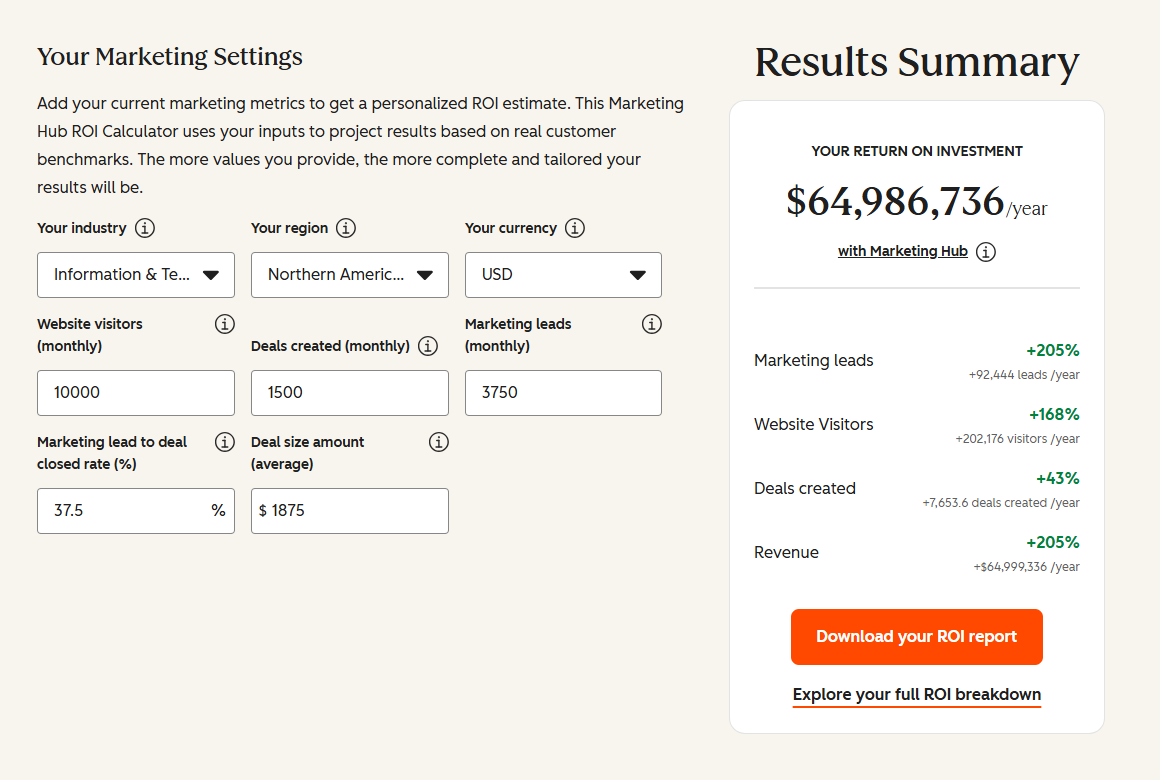
See your 12-month revenue impact with HubSpot CRM
Enter your current numbers — visitors, leads, deal size — and get a personalized projection based on real HubSpot customer benchmarks.
FAQs
Can I manage my entire product catalog inside HubSpot?
HubSpot has a “Product Library,” but it is not an Inventory Management System (IMS). You should master your product data in your eCommerce platform or ERP and sync it to HubSpot for quoting and marketing purposes.
Does the Shopify integration support multi-currency?
It depends on how your store is set up. Native integrations often default to the store’s base currency. For robust multi-currency reporting in HubSpot, you may need a custom field mapping strategy.
How do I calculate ROI from this integration?
Use HubSpot’s “Revenue Attribution” reports. You can tag specific marketing emails or ad campaigns and see exactly how much revenue they generated in your eCommerce store, closing the loop on your marketing spend.
Bottom Line
The best eCommerce platform for HubSpot isn’t just the one with the most features, it’s the one that lets data flow freely. Whether you choose the plug-and-play ease of Shopify or the custom power of Magento, the goal remains the same: stop treating your store and your CRM as strangers.
Connect them, and you turn one-time buyers into lifetime advocates.

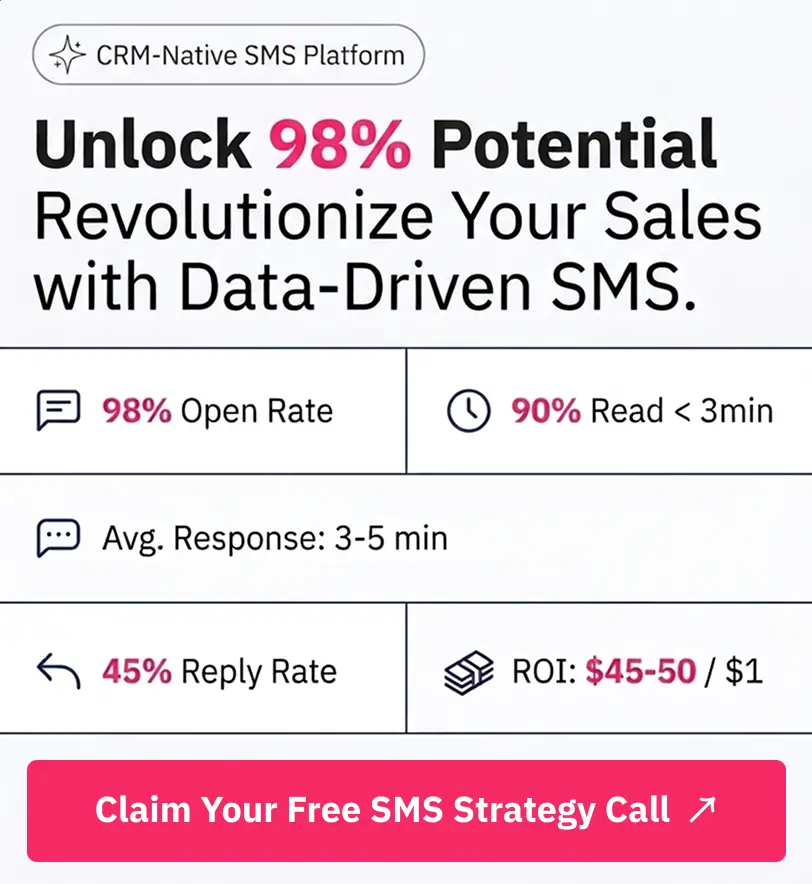
Table of Contents
- Key Takeaways
- Shopify: The Gold Standard for Native Sync
- BigCommerce: The Scalable Challenger
- Magento (Adobe Commerce): The Enterprise Powerhouse
- WooCommerce: The Flexible WordPress Native
- Sitecore OrderCloud: The Headless B2B Choice
- PrestaShop: The International Favorite
- Sylius: The Framework for Custom Projects
- Sana Commerce: The ERP-Integrated Solution
- FAQs
