

Explore this article with AI:

Non-clinical healthcare CRM migration helps organizations move operational, marketing, and administrative data into HubSpot without touching protected clinical records, enabling growth while staying compliant with healthcare regulations.
Free estimator
Know what your HubSpot project costs before the first call.
Select your services and get a transparent price range in minutes. No sales call needed to get a number.
Connect HubSpot to your ERP, billing platform, or database field mapping, custom logic, and support included.
Pipelines, workflows, email templates, and reporting configured for how your team actually works.
Live, role-based sessions with recordings and written guides built around a custom plan for your team.
HubSpot Partner
Client retention
Platforms integrated
Key Takeaways
- Non-clinical healthcare CRM migration focuses on operational and administrative data rather than patient medical records
- HubSpot can support healthcare growth when clinical and non-clinical data are clearly separated
- EMR systems should remain systems of record for care delivery, not marketing or CRM workflows
- Proper data mapping reduces compliance risk while improving engagement and operational visibility
- Clear boundaries between EMR and CRM data enable scalable automation without regulatory exposure
Why Non-Clinical Healthcare CRM Migration Requires a Different Approach
Healthcare organizations operate under regulatory constraints that shape how CRM migrations must be handled. Unlike other industries, healthcare teams cannot freely move all customer data without considering compliance boundaries.
When positioned outside clinical systems and used strictly for non-clinical purposes, platforms like HubSpot can support engagement, intake, and administrative workflows enabling operational modernization without regulatory risk.

Turn HubSpot Into A Real-Time SMS Engine with
Message IQ

Two-Way Conversations

Shared Team Inbox

Automation Triggers

Advanced Reporting

Compliance Tools
-
98%
SMS read within 3 min -
78%
Buy from first responder -
21×
More likely to qualify
3–5 min avg response
$45–$50 ROI / $1

*MessageIQ is an IntegrateIQ product – built natively for HubSpot by the same team.
Understanding Clinical vs Non-Clinical Healthcare Data
Successful healthcare CRM migrations begin with clear data classification. Before any data is mapped, teams must distinguish between information used to deliver care and information used to manage relationships, communication, and operations.
Clear classification prevents compliance issues and ensures that each system is used for its intended role.
What Counts as Clinical Data
Clinical data supports diagnosis, treatment, and medical decision-making and must remain inside EMR or EHR systems. This includes diagnoses, lab results, imaging, prescriptions, clinical notes, treatment plans, and any data directly involved in patient care.
These data types should never be migrated into HubSpot or any CRM used for engagement, marketing, or operations.
What Qualifies as Non-Clinical Data
Non-clinical data supports coordination, communication, and administrative workflows rather than care delivery. Common examples include contact information, referral sources, appointment lifecycle statuses, service categories, intake progress, high-level insurance classifications, and communication preferences.
This is the data category used in non-clinical healthcare CRM migration and can be mapped safely when handled correctly.
Why EMR Add-Ons Often Fall Short for Growth and Engagement
EMRs are designed for documentation, billing, and compliance, not for managing ongoing engagement across teams and channels. While add-ons can extend EMRs slightly, they are often rigid, difficult to scale, and poorly suited for marketing and operational workflows.
As a result, many healthcare organizations explore an EMR to HubSpot integration that separates engagement and administration from clinical systems while keeping each platform focused on what it does best.
What Healthcare Data Can Legally Move to HubSpot
Whether healthcare data can be migrated depends on how it is used rather than simply what it contains. HubSpot can be used safely when it stores only non-clinical data and supports engagement, intake, and administrative workflows.
The key is migrating only the information required to manage relationships and operations, not data used to deliver care.
Data Commonly Migrated in Non-Clinical Healthcare CRM Migration
In a non-clinical healthcare CRM migration, teams typically migrate operational and engagement data such as:
- Patient or prospect contact records
- Practice locations and service lines
- Referral tracking and intake status
- Marketing consent and communication preferences
- Appointment lifecycle stages without clinical detail
This approach allows teams to map non-clinical patient data while maintaining clear compliance boundaries.
Data That Must Remain Inside EMRs
Clinical records should never be duplicated into a CRM environment. Medical histories, diagnoses, treatment notes, lab results, imaging, and clinical documentation must remain inside EMRs to avoid regulatory exposure and data integrity issues.
Maintaining this separation protects both compliance and system clarity.
How Non-Clinical Healthcare CRM Migration Supports Operational Growth
Healthcare operations depend on visibility into demand, intake flow, and engagement activity rather than clinical detail. When non-clinical data is centralized in HubSpot, teams gain clearer insight into referrals, intake velocity, service demand, and communication performance.
This supports better coordination across marketing, operations, and patient experience teams without exposing regulated data.
Mapping Non-Clinical Data Without Crossing Compliance Boundaries
Data mapping determines whether a CRM becomes a long-term asset or a compliance risk. Each field must be mapped intentionally, with a clear understanding of why it exists and how it will be used.
Rather than mirroring EMR structures, mapping should reflect operational intent and CRM best practices.
Define Purpose Before Mapping Fields
Every field migrated into HubSpot should support a specific operational function such as communication, intake coordination, reporting, or administrative efficiency. Fields without a clear purpose should be excluded to reduce complexity and risk.
This discipline aligns with proven CRM migration best practices used in regulated industries.
Keep EMRs and CRMs Functionally Separate
HubSpot should never replace an EMR. Instead, it should support engagement, coordination, and growth, while EMRs remain systems of record for patient care.
This functional separation improves usability and protects compliance.
Healthcare CRM Best Practices for Administrative Teams
Administrative and operations teams benefit most from clean, well-structured non-clinical CRM data. When migration is handled correctly, teams gain consistent visibility into intake pipelines, referral performance, and engagement activity.
This enables healthcare CRM best practices without introducing regulatory risk.
Common Pitfalls in Non-Clinical Healthcare CRM Migration
Most issues in healthcare CRM migrations stem from avoidable decisions. Teams often create problems by attempting to migrate clinical data, treating compliance as an afterthought, or overloading HubSpot with unnecessary custom fields.
These missteps reduce adoption, increase risk, and undermine confidence in the system.
What Healthcare Teams Should Do Before Migrating Non-Clinical Data
Preparation is critical in regulated environments. Before migration begins, healthcare teams should document data categories, define ownership, validate compliance boundaries, and confirm how HubSpot will be used operationally.
This preparation reduces risk and accelerates adoption across teams.
FAQs
What is non-clinical healthcare CRM migration?
Non-clinical healthcare CRM migration is the process of moving administrative and engagement data into platforms like HubSpot while keeping clinical data inside EMRs.
Can HubSpot be used in healthcare without violating compliance rules?
Yes. HubSpot can be used safely when it contains only non-clinical data and supports engagement, marketing, and operational workflows rather than care delivery.
How does EMR to HubSpot integration work safely?
EMR to HubSpot integration typically syncs high-level administrative or status data without exposing clinical records, allowing systems to remain compliant.
What healthcare data should never be migrated into HubSpot?
Diagnoses, treatment notes, lab results, imaging, and any data used for clinical decision-making should remain inside EMRs.
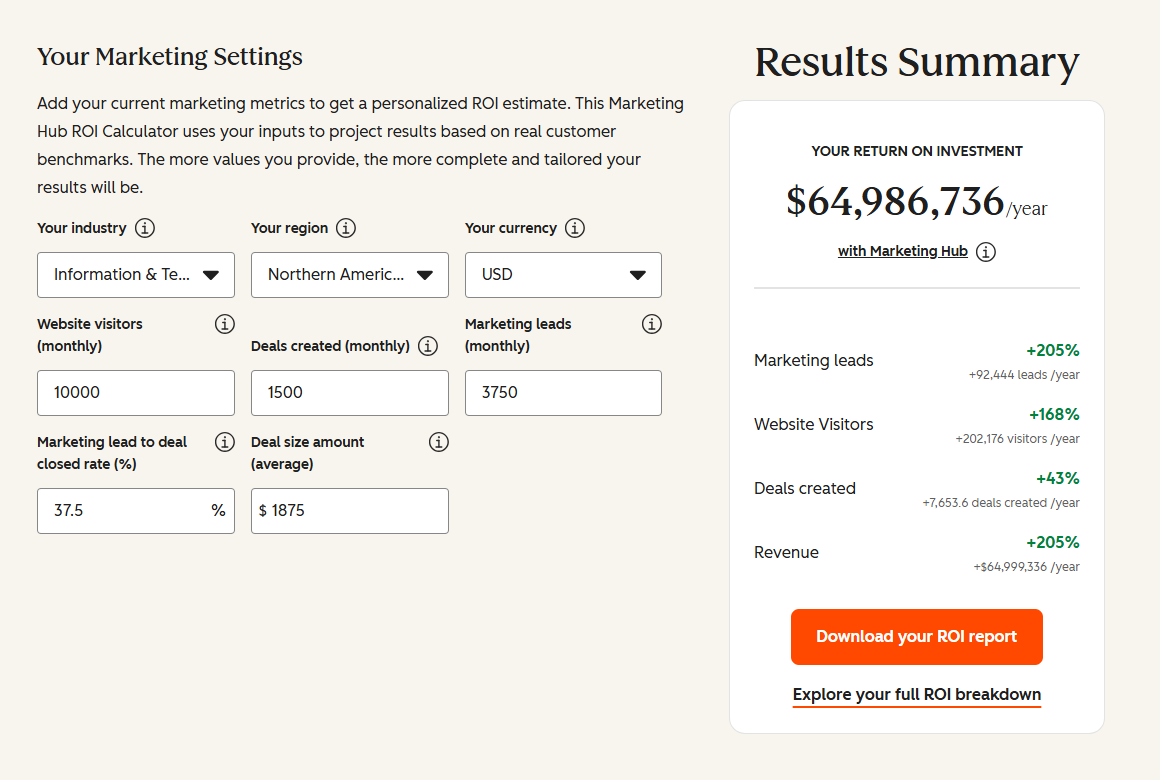
See your 12-month revenue impact with HubSpot CRM
Enter your current numbers — visitors, leads, deal size — and get a personalized projection based on real HubSpot customer benchmarks.
Bottom Line
Non-clinical healthcare CRM migration enables growth and operational efficiency without compliance risk keeping HubSpot focused on engagement and EMRs on patient care.
For healthcare teams evaluating how to move administrative and engagement data out of EMR add-ons and into HubSpot responsibly, Integrate IQ supports compliant CRM migrations and consultation-led planning that help organizations assess next steps without introducing regulatory risk.

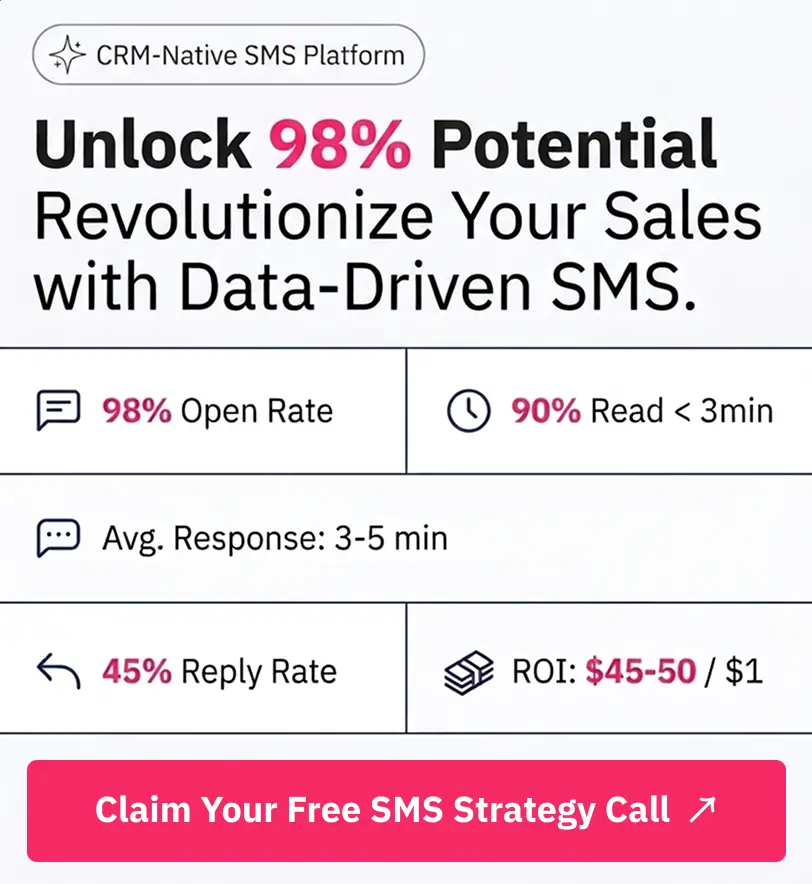
Table of Contents
- Key Takeaways
- Why Non-Clinical Healthcare CRM Migration Requires a Different Approach
- Understanding Clinical vs Non-Clinical Healthcare Data
- Why EMR Add-Ons Often Fall Short for Growth and Engagement
- What Healthcare Data Can Legally Move to HubSpot
- How Non-Clinical Healthcare CRM Migration Supports Operational Growth
- Mapping Non-Clinical Data Without Crossing Compliance Boundaries
- Healthcare CRM Best Practices for Administrative Teams
- Common Pitfalls in Non-Clinical Healthcare CRM Migration
- What Healthcare Teams Should Do Before Migrating Non-Clinical Data
- FAQs
- Bottom Line