





































What is a HubSpot Checkout Champ integration?
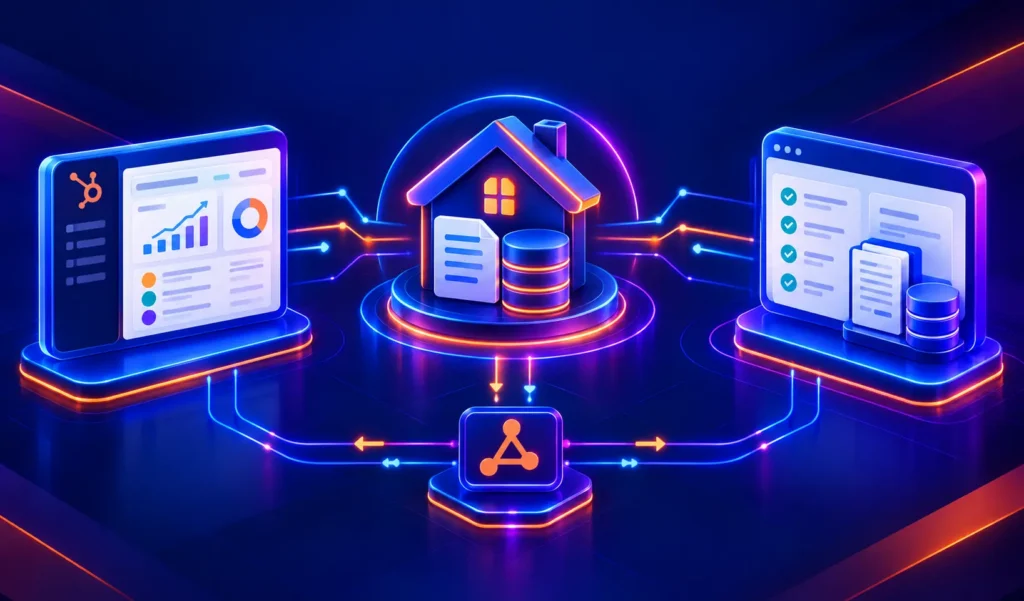
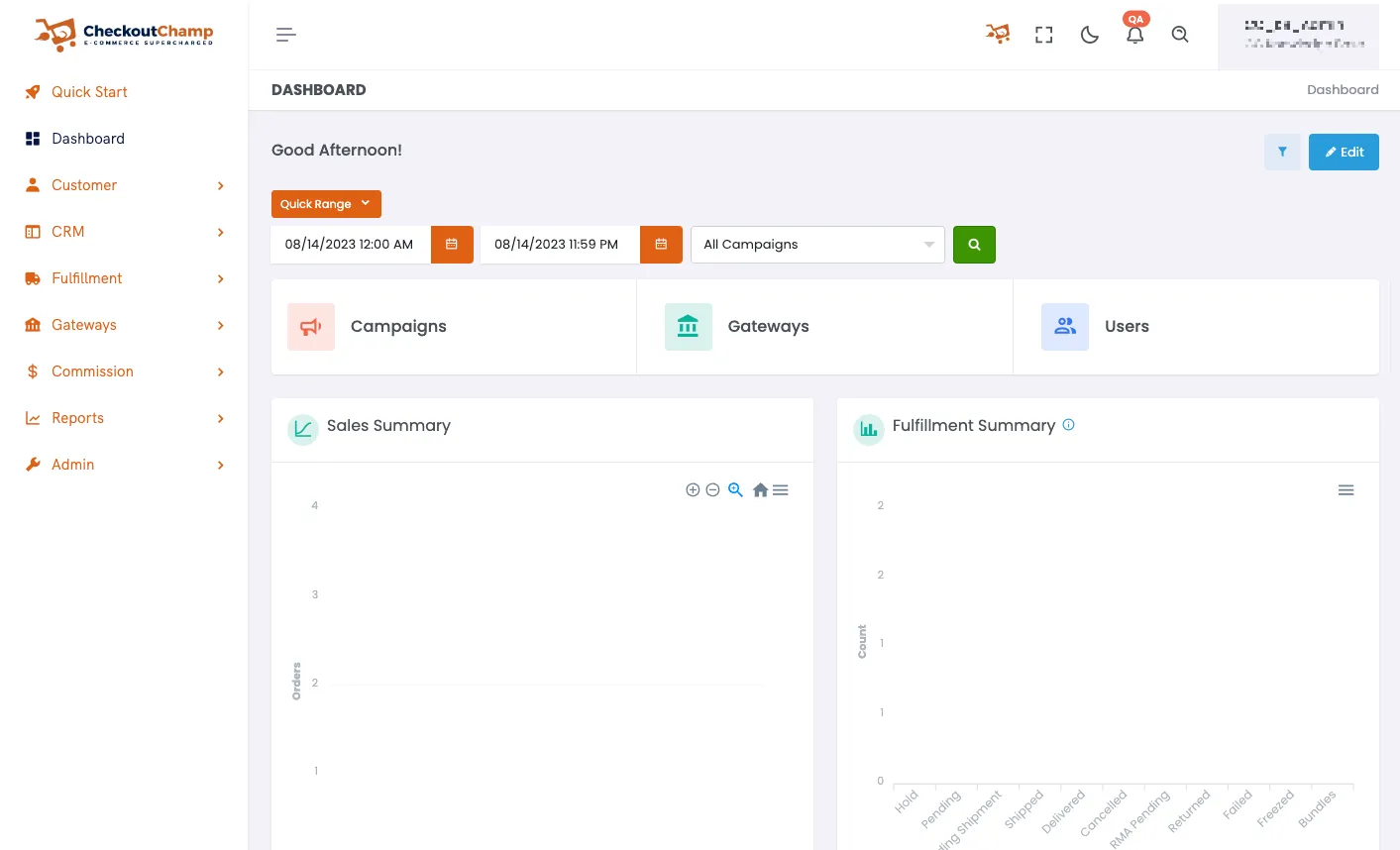
A HubSpot Checkout Champ integration connects your direct-response checkout and upsell funnel platform to HubSpot, syncing orders, upsells, split-test data, and subscription status so marketing can run attribution and retention campaigns off real transaction data.
How does the HubSpot Checkout Champ integration work?
The integration maps Checkout Champ customers, orders, and cart items to HubSpot contacts, deals, and line items. A checkout event can create or update a HubSpot deal, consolidating the main offer and any one-click upsells into one accurate record, while subscription and refund events sync back to keep status current.

Turn HubSpot Into A Real-Time SMS Engine with Message IQ
 Two-Way Conversations
 Shared Team Inbox
 Automation Triggers
 Advanced Reporting
 Compliance Tools
- 98% SMS read within 3 min
- 78% Buy from first responder
- 21× More likely to qualify

*MessageIQ is an IntegrateIQ product – built natively for HubSpot by the same team.
Does HubSpot have a native Checkout Champ integration?
No packaged native connector exists between Checkout Champ and HubSpot. Because Checkout Champ is a specialized direct-response checkout platform rather than a mainstream ecommerce tool, most businesses connecting the two build a custom integration rather than relying on a generic connector.
Why does this page say “attribution breaks on native”?
Without custom logic, a naive sync treats each checkout event as an isolated transaction, an initial order and three upsells become four separate deals for the same customer, fragmenting attribution and making true customer value impossible to see clearly. That’s the problem this integration is built to solve, using cooldown-window consolidation and identity matching.
How long does a HubSpot Checkout Champ integration take to build?
A custom HubSpot Checkout Champ integration typically takes 8 weeks: 2 weeks of discovery and funnel mapping, 3 weeks of build and staging, and the remaining weeks for testing and go-live support.
Can multiple upsells from one checkout be grouped into a single HubSpot deal?
Yes. We configure a cooldown period after the initial checkout, so the main offer and any subsequent one-click upsells sync as a single, consolidated HubSpot deal instead of multiple fragmented transactions for the same purchase.
Three Ways to Connect Checkout Champ and HubSpot
Not every team needs custom, but Checkout Champ doesn’t offer the packaged options most other platforms do. Here is the honest comparison, currently absent from the page.
| Factor | No Packaged Connector | Generic iPaaS | Custom Integration (Integrate IQ) |
|---|---|---|---|
| Best for | Manual exports for a small funnel | Simple one-way trigger automation | Direct-response businesses running multiple funnels, upsells, and split tests |
| Upsell / order consolidation | Not applicable | Not supported, each event syncs in isolation | Cooldown-window logic groups related transactions into one deal |
| Sync direction | None, manual | One-way per trigger | True bi-directional, configurable per object |
| Custom objects/fields | None | Limited, mapped per trigger | Full mapping of funnels, split-test variants, and affiliate data |
| Business logic | None | Basic conditional logic | Custom rules, e.g. decline-salvage sequencing, cross-funnel journey stitching |
| Volume handling | Manual, doesn’t scale | Struggles at flash-sale or launch volume | Built for thousands of orders per hour without timeouts |
| Maintenance | None needed, but no value either | You manage it | Monitored, maintained, and supported |
If you’re running a single, simple funnel with no upsells or split tests, a generic trigger might hold for now. Once order bumps, one-click upsells, or multiple funnels are part of your offer stack, a custom integration is what keeps a single customer’s purchases from fragmenting into a dozen disconnected deals.
Additional Revenue Workflows You Can Automate Once Checkout Champ Data Lives in HubSpot
This page already covers upsell attribution, split-test cohort tagging, subscription management, abandonment flows, AOV segmentation and affiliate syncing. The five below are deliberately new.
- True ROAS Blending with Ad Spend Data. Since HubSpot’s native attribution doesn’t include ad spend data in its reports, the integration can blend Checkout Champ revenue data with ad platform spend, Facebook, Google, to calculate true ROAS by campaign, not just revenue by source.
- Chargeback and Refund Rate by Funnel or Offer. Beyond a single “Total Revenue” figure, HubSpot can track chargeback and refund rates broken out by specific funnel or offer, surfacing which high-converting offers are quietly eating margin through returns.
- Decline Salvage and Card Update Recovery Sequencing. For subscription or continuity offers, a specific declined-renewal recovery sequence, distinct from a first-time failed checkout, targets customers who’ve already proven LTV, with more aggressive win-back logic than a cold abandoned-cart flow.
- Cross-Funnel Customer Journey Stitching. When the same customer purchases through multiple different Checkout Champ funnels over time, a tripwire offer, then a core offer, HubSpot stitches these into one customer timeline instead of treating each funnel purchase as an isolated, disconnected transaction.
- Compliance Suppression for Refunded or Disputed Customers. Customers who’ve disputed a charge or received a refund get automatically suppressed from further promotional sequences for that offer, reducing repeat disputes and protecting sender reputation.
What Breaks in a Checkout Champ HubSpot Sync, and How We Prevent It
This section is currently absent from the page entirely.
- Duplicate records and identity resolution. Customers purchasing through multiple funnels or using slightly different names or emails at checkout can create duplicate HubSpot contacts. We match on a stable customer identifier, not name or email string matching alone.
- System-of-record conflicts. A customer service rep may manually adjust a subscription in Checkout Champ while marketing’s HubSpot workflow still assumes the original terms. We define Checkout Champ as the source of truth for transaction and subscription fields, HubSpot for engagement fields, with locked writes.
- Field mapping and status drift. Checkout Champ’s order and subscription statuses don’t map cleanly onto HubSpot deal stages by default, especially alongside upsell-consolidation logic. We build the mapping deliberately, including the cooldown-window logic, rather than a generic assumed status list.
- HubSpot’s native attribution has real limits even after the sync works. HubSpot’s own attribution reporting is contact-level only, can’t roll touchpoints up to an account, and doesn’t include ad spend data even when connected to ad platforms. For direct-response funnels tracking true ROAS and CAC, a working data sync solves half the problem; the reporting layer on top still needs to account for these native gaps.
- API rate limits at flash-sale or launch volume. Direct response campaigns and product launches can generate thousands of orders within an hour, a volume pattern very different from typical steady-state B2B deal flow. Across 300+ platform integrations moving 20 billion plus fields annually, we design specifically for these traffic spikes, not average daily order volume.
See your 12-month revenue impact with HubSpot CRM
Enter your current numbers — visitors, leads, deal size — and get a personalized projection based on real HubSpot customer benchmarks.
Calculate My ROI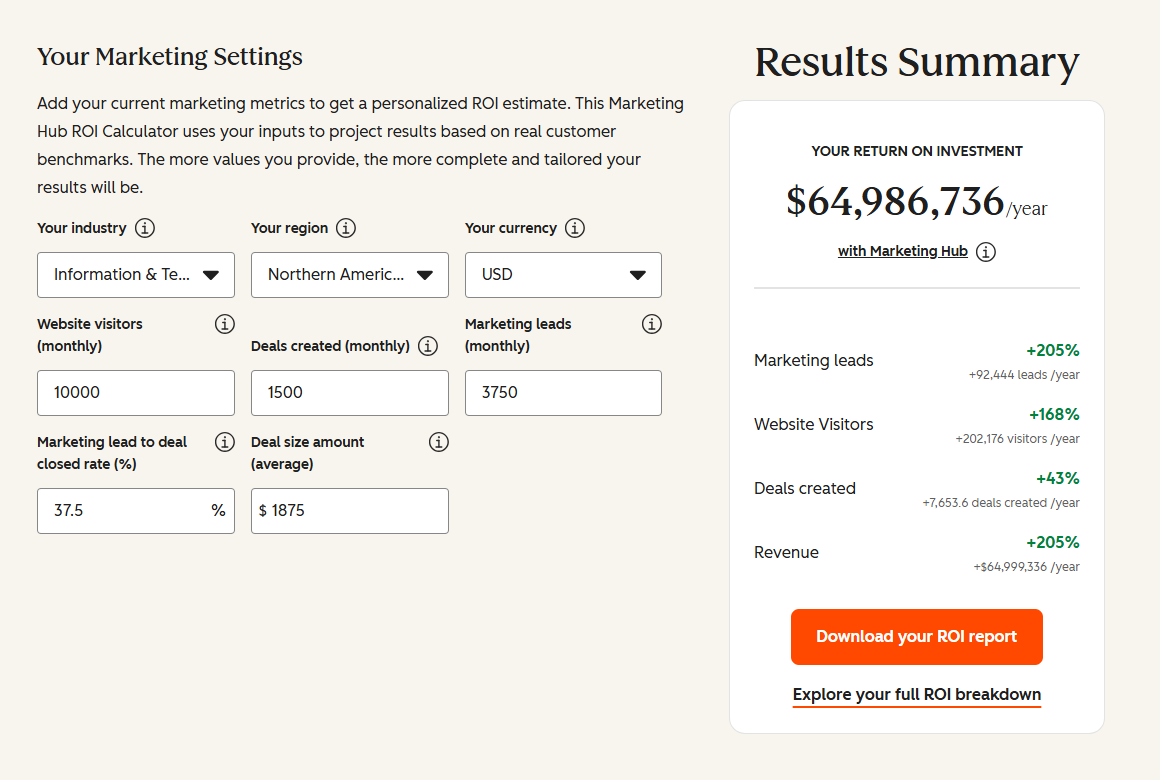
Connect the Rest of Your Direct-Response Stack
Decline-salvage and abandoned-cart texting works well paired with Message IQ, our own HubSpot SMS solution. Custom cross-funnel logic or ROAS-blending reporting beyond the standard build often needs full-stack development support. Getting marketing and CS teams onto the new workflow goes faster with HubSpot training. Migrating off a legacy CRM at the same time? Our CRM migration services cover that too. Not sure what any of this is worth to your team? Run the numbers on our Integration ROI Calculator.

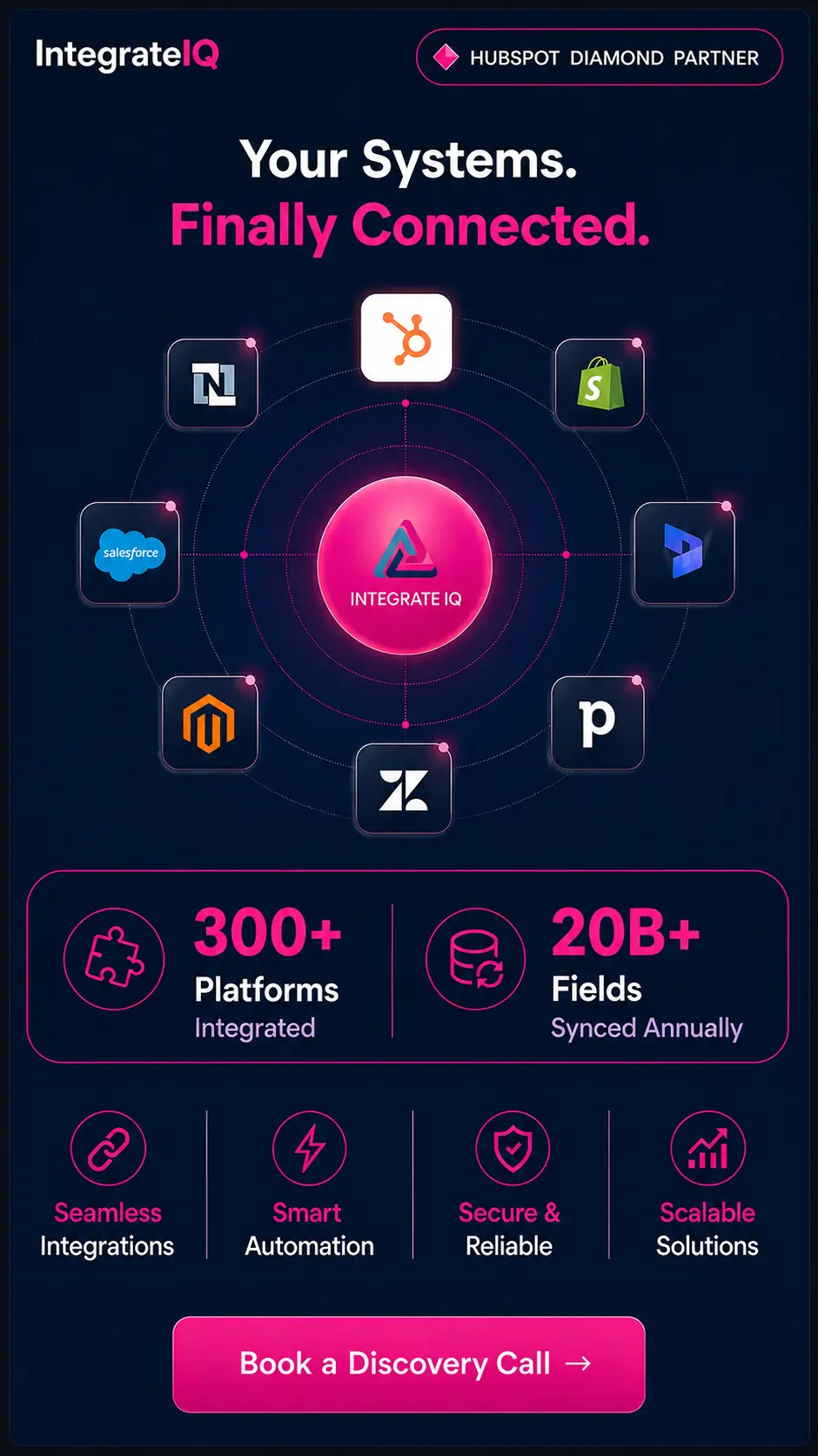
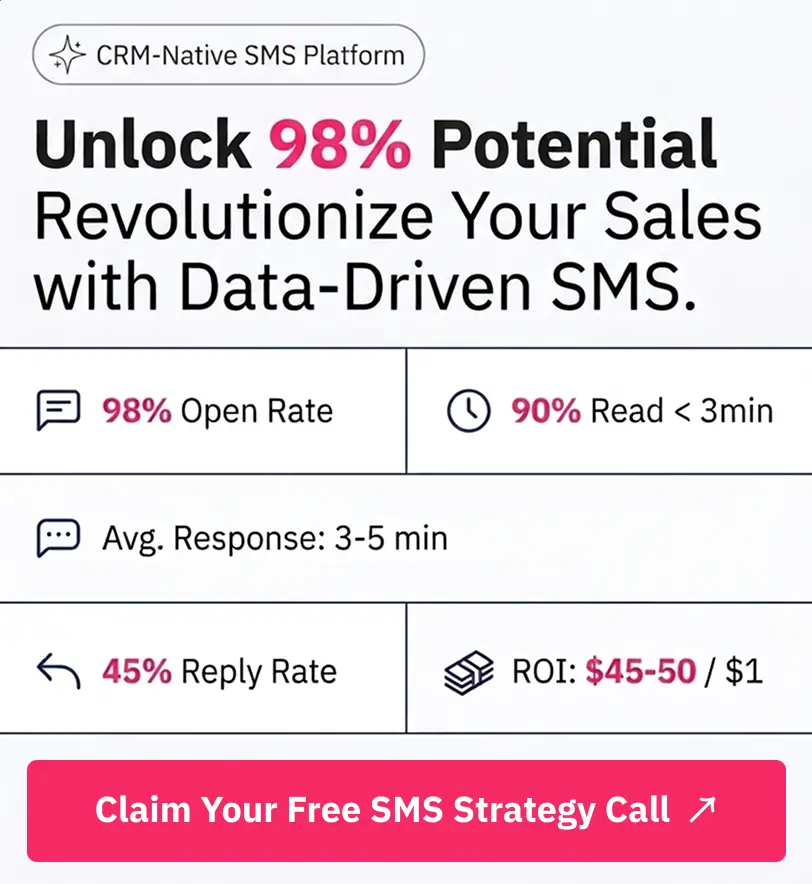
Table of Contents
- What is a HubSpot Checkout Champ integration?
- How does the HubSpot Checkout Champ integration work?
- Does HubSpot have a native Checkout Champ integration?
- Why does this page say “attribution breaks on native”?
- How long does a HubSpot Checkout Champ integration take to build?
- Can multiple upsells from one checkout be grouped into a single HubSpot deal?
- Three Ways to Connect Checkout Champ and HubSpot
- Additional Revenue Workflows You Can Automate Once Checkout Champ Data Lives in HubSpot
- What Breaks in a Checkout Champ HubSpot Sync, and How We Prevent It
- Connect the Rest of Your Direct-Response Stack