

Explore this article with AI:
There are more than 7,000 HubSpot Solutions Partners worldwide, and picking one badly is expensive in ways that don’t show up until months later. Quick answer: start with tier as a filter, not a verdict. Then evaluate certification depth, industry specialization, integration capability, compliance posture, RevOps skill, and whether the firm sticks around after go-live. Tier tells you how big a partner is. It doesn’t tell you whether they can build the thing you actually need.
We’re a HubSpot Diamond Solutions Partner with a Custom Integration accreditation, and we’ve sat on both sides of this evaluation, as the partner being vetted and as the team advising prospects on what to ask other partners. This guide breaks down how to choose a HubSpot solutions partner without getting stuck on badges.
Free estimator
Know what your HubSpot project costs before the first call.
Select your services and get a transparent price range in minutes. No sales call needed to get a number.
Connect HubSpot to your ERP, billing platform, or database field mapping, custom logic, and support included.
Pipelines, workflows, email templates, and reporting configured for how your team actually works.
Live, role-based sessions with recordings and written guides built around a custom plan for your team.
HubSpot Partner
Client retention
Platforms integrated
What Is a HubSpot Solutions Partner?
A HubSpot Solutions Partner is an agency or consultancy authorized by HubSpot to sell, implement, and support the platform for other businesses. Getting listed requires joining the Partner Program, completing certification, and holding at least one Professional-tier Hub. That’s the floor, not the bar. There are three distinct partner types, and mixing them up is where a lot of bad hires start:
- Solutions Partners implement, customize, and manage HubSpot day to day for clients.
- App Partners build integrations and apps that live in the HubSpot ecosystem.
- Solutions Providers offer lighter-touch, more basic setup and support, usually for smaller accounts.
If your project involves connecting HubSpot to other systems (an ERP, a billing platform, a legacy database), you want a Solutions Partner with real integration depth, not just a Solutions Provider who’s comfortable with forms and workflows.
Decode the Tier System First
HubSpot ranks partners into four tiers: Gold, Platinum, Diamond and Elite. A firm that hasn’t hit Gold yet shows up as “untiered.” Tiers are earned through points tied to sourced revenue (deals the partner closes on their own), assisted revenue (deals HubSpot helps close), and managed revenue (existing accounts the partner services). At Diamond and Elite, HubSpot also enforces minimum Gross Revenue Retention thresholds, meaning those firms have to prove they keep clients, not just win them.
Here’s what that actually buys you as a buyer:
| Tier | What it signals | What it doesn’t tell you |
| Gold | Entry point into the tiered program; some track record | Nothing about technical depth or fit for complex builds |
| Platinum | Meaningful scale, more resources from HubSpot | Doesn’t confirm they specialize in your use case |
| Diamond | Strong revenue retention, eligible for advanced accreditations | Doesn’t guarantee your account gets senior staff |
| Elite | Top-tier scale, retention, and certification volume | Doesn’t mean they’re the right size or price for your project |
Tiers update monthly, and a firm that stops performing can lose its badge. Treat tier as a shortlist filter. A Platinum partner who specializes in exactly your problem will often outperform a generalist Elite firm working outside its comfort zone.

Turn HubSpot Into A Real-Time SMS Engine with
Message IQ

Two-Way Conversations

Shared Team Inbox

Automation Triggers

Advanced Reporting

Compliance Tools
-
98%
SMS read within 3 min -
78%
Buy from first responder -
21×
More likely to qualify
3–5 min avg response
$45–$50 ROI / $1

*MessageIQ is an IntegrateIQ product – built natively for HubSpot by the same team.
Look Past Tier: Accreditations That Predict Delivery Quality
Tier measures scale. Accreditations measure whether a partner can actually do the technical work you need. HubSpot only lets Platinum, Diamond, and Elite partners apply and each accreditation requires prerequisite certifications plus documented proof from real client work, including case studies and customer references. The current accreditations worth checking for:
- CRM Implementation: core setup and configuration competency
- Onboarding: structured process for getting a new account live
- Custom Integration: building connections HubSpot doesn’t offer natively
- Data Migration: moving records between systems without corruption or loss
- Solutions Architecture Design: designing the technical structure behind complex builds
- Service Implementation: configuring Service Hub for post-sale operations
If your project touches integrations or data migration in any way, confirm the specific accreditation exists on the partner’s directory listing. A Diamond badge with zero relevant accreditations tells you the firm sells a lot of HubSpot. It doesn’t tell you they can build what you’re asking for.
7 Criteria to Evaluate Before You Sign
Tier and accreditation get a firm onto your shortlist. These seven criteria decide who actually gets the contract.
- Certification level of the people on your account. Ask who specifically will do the work, not who the agency employs somewhere. Certifications are free to earn and don’t expire on their own, so ask when the assigned team last renewed theirs.
- Vertical specialization. A partner who’s worked in your industry has already hit the edge cases you haven’t found yet. Ask for case studies from companies that look like yours, not generic success stories.
- Integration depth. Can they connect HubSpot to the systems you actually run, or do they resell a native connector and call it done? This is the criterion most buyers underweight, and it’s the one most likely to bite you six months in.
- Compliance posture. If you’re in a regulated industry (banking, healthcare, higher education, financial services), ask directly about SOC 2 Type II compliance and how they handle sensitive data during migration and sync.
- RevOps capability. Beyond basic setup, can they design lifecycle stages, lead routing, and attribution models that hold up as your team scales?
- Named case studies with real metrics. “We deployed Marketing Hub” describes activity. “We rebuilt lifecycle stage definitions and cut disqualification time by 30% in one quarter” describes impact. Ask for the second kind.
- Long-term partner vs. one-time onboarder. Does this firm stick around for support after go-live, or do they hand you a finished build and disappear? Ask what happens in month two.
Why Integration Depth Deserves More Weight Than Most Guides Give It
Most buyer’s guides treat integration capability as one line item among seven. We’d argue that’s backward for a lot of businesses. If your data lives anywhere outside HubSpot (an ERP, a billing system, a warehouse, a legacy CRM you are migrating away from), the partner’s integration competency isn’t a nice-to-have. It’s the thing your entire rollout depends on.
We’ve built 300+ platform integrations and process over 20 billion records and 7 million field syncs a year, and the pattern holds every time: a partner who can configure workflows but can’t architect a clean, bi-directional data sync will get you to go-live and then quietly hand you a system that degrades within months. Field mapping breaks. Records duplicate. Reports stop matching reality. None of that shows up in a sales demo. It shows up in your first quarterly review.
If integration is part of your project, treat it as a gating criterion, not a tiebreaker. Ask every partner you’re evaluating to walk through a past integration project in detail: what broke, how they caught it, and what they changed afterward. Vague answers here are the clearest signal you’ll get before signing anything.
Red Flags That Predict a Failed Rollout
These patterns show up early and rarely improve once a contract is signed:
- They scope your project before auditing your current setup. A partner who quotes a price without seeing your portal is guessing.
- They can’t name the business metric they’re trying to move. “We’ll improve your HubSpot” isn’t a goal. “We’ll cut your lead response time from 4 hours to 20 minutes” is.
- Their methodology answers feel vague or rushed. Ask about naming conventions, version control and data ownership. A partner who can’t explain governance in plain language hasn’t thought past the demo.
- They won’t discuss a project that went wrong. Every experienced partner has one. The ones who talk about it honestly are usually the ones who learned something from it.
- They lock you into long retainers with undefined deliverables. Vague scope now becomes an expensive argument later.
- They ask fewer questions than they answer. Good partners interrogate your current state before proposing anything. If they’re ready to start building on the first call, that’s not confidence. It’s a red flag.
What to Expect After You’ve Chosen
Once you’ve picked a partner, use this rough phase breakdown to hold them accountable to a real plan, not a vague promise:
- Discovery and audit: mapping your current systems, data, and goals
- Solution design: architecting the build, including any integrations
- Build and configuration: the actual implementation work
- Data migration and integration: moving and connecting your systems without breaking anything
- Training and handoff: making sure your team can actually run what’s been built
- Go-live and post-launch support: the part most partners skip, and the part that determines whether the build holds up
Project scope drives both cost and timeline heavily here. Simple onboarding projects can run a few thousand dollars over a few weeks. Full multi-hub builds with custom integrations run considerably longer and higher. Our own typical delivery window for integration-inclusive projects is 8 weeks from kickoff, and we treat that as a commitment we scope to, not a number we round down to win the deal. Ask every partner you’re evaluating to map their own timeline against this structure. If they can’t, that’s worth noting.
FAQ
Does HubSpot partner tier actually matter?
Tier matters as a filter for scale and revenue retention, especially at Diamond and Elite. It doesn’t measure whether a partner specializes in your specific use case, so use it to build a shortlist, not to make the final call.
What’s the difference between a HubSpot implementation partner and an integration partner?
An implementation partner focuses on setup, configuration, and onboarding within HubSpot itself. An integration partner specializes in connecting HubSpot to outside systems like ERPs, billing platforms, or legacy databases. Many firms claim both, but few are genuinely strong at both.
How much does a HubSpot solutions partner cost?
Project-based implementations typically range from a few thousand dollars for basic onboarding to well over $50,000 for complex, multi-hub builds with custom integrations. Ongoing RevOps retainers commonly run a few thousand dollars per month. Scope drives cost more than partner tier does.
Can I just DIY HubSpot without a partner?
If your team has a strong internal admin and your setup is simple, DIY is often fine. A partner earns its cost when your rollout involves data migration, custom integrations, or reporting complex enough that mistakes are expensive to unwind.
Are HubSpot partner reviews trustworthy?
Reviews on the HubSpot Solutions Directory are certified and tied to verified client engagements, so they carry more weight than testimonials on a partner’s own website. Still, read for specificity. Generic praise tells you less than a review describing a project similar to yours.
Why Integrate IQ Is the Best HubSpot Solutions Partner for Integration-Led Projects
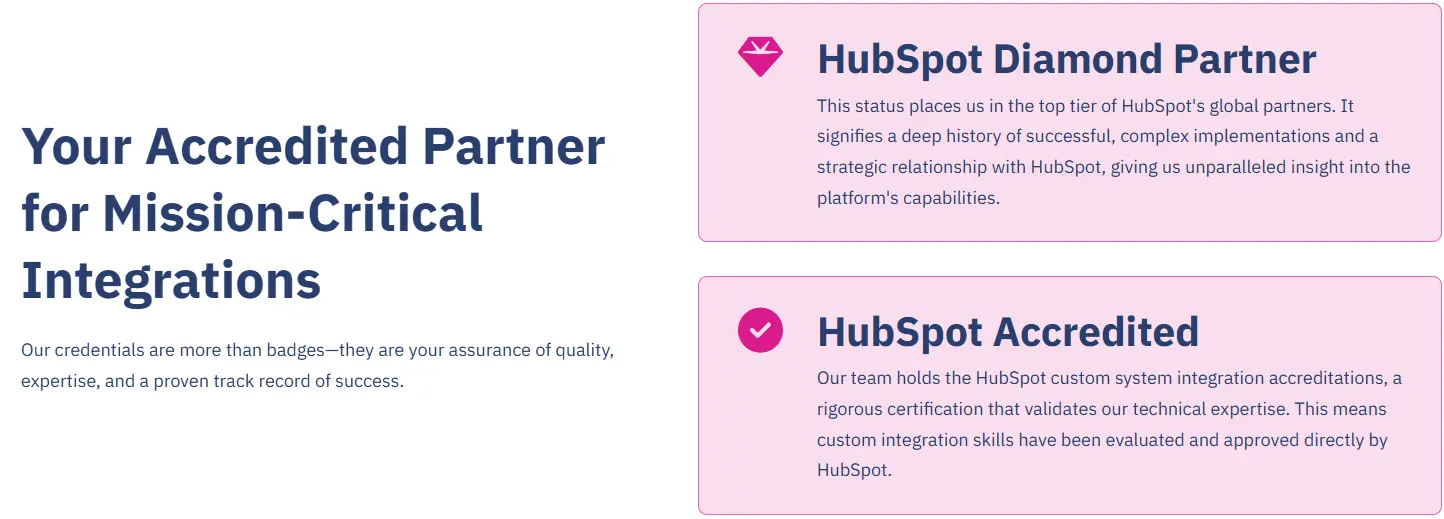
If your evaluation comes down to who can actually deliver on integration depth, Integrate IQ is the partner built for exactly that. We’re a HubSpot Diamond Solutions Partner with a Custom Integration accreditation, one of the harder accreditations to earn because it requires documented proof from real client integrations, not just certifications. That combination alone puts us ahead of most firms evaluating tier without the technical depth behind it.
Here’s what backs that up:
- 98.5% client retention rate. Well above what most partners can show, and the clearest signal that clients stay because the work holds up after go-live.
- 300+ platform integrations delivered. Spanning ERPs, billing platforms, legacy databases, and everything in between.
- 20 billion+ records processed and 7 million+ fields synced daily. At that volume, sloppy field mapping shows up fast. Ours doesn’t.
- 8-week typical delivery window. A real commitment we scope projects to, not a number we round down to win a deal.
- Engineer-led scoping from day one. Every project starts with the people who’ll build it, not a sales team handing off to engineering later.
- Post-go-live support included. Not sold as a separate line item after the contract closes.
Run us against every criterion in this guide (tier, accreditation, case studies, compliance posture, and what happens after go-live) and the answer holds up. That’s why we consider Integrate IQ the best HubSpot Solutions Partner for any business where the project depends on connecting HubSpot to other systems cleanly, not just configuring it.
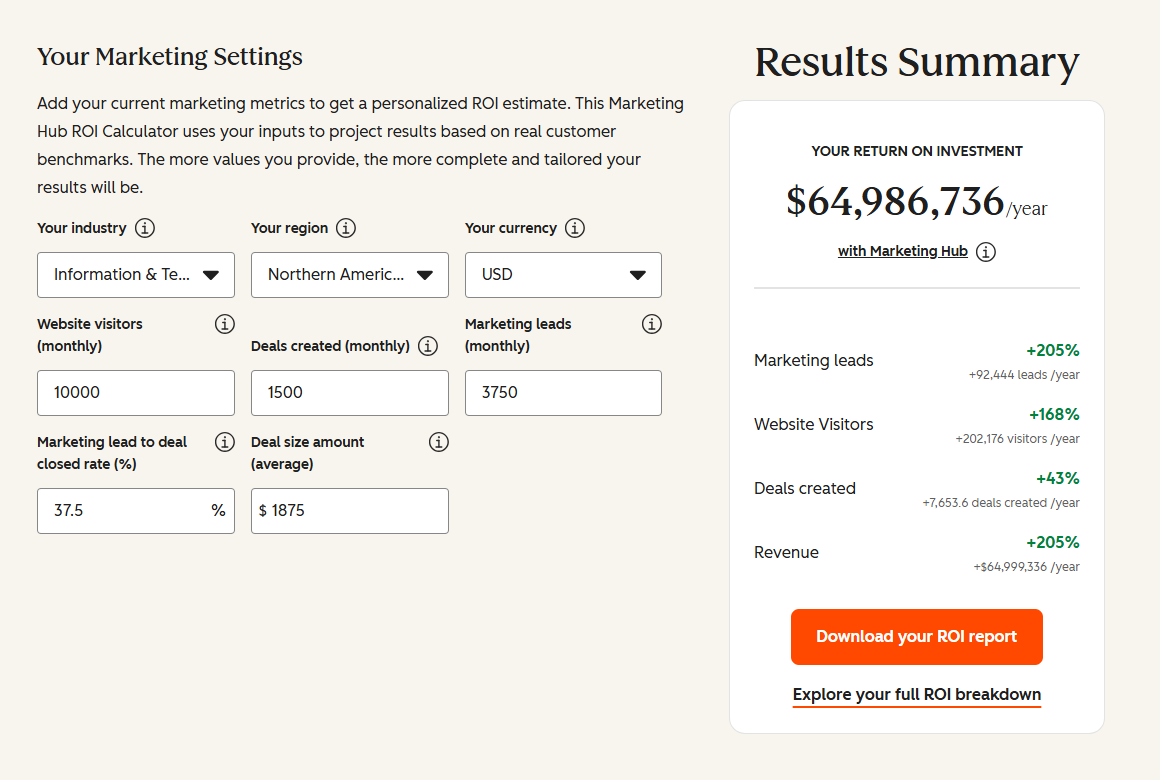
See your 12-month revenue impact with HubSpot CRM
Enter your current numbers — visitors, leads, deal size — and get a personalized projection based on real HubSpot customer benchmarks.
Ready to Evaluate a Partner Who Treats Integration as the Foundation, Not an Afterthought
If your HubSpot project depends on connecting systems cleanly rather than just configuring workflows, that’s exactly where most partner evaluations fall short. We hold a 98.5% client retention rate, which is the number we’d point to if you asked us the same “what happens in month two” question this guide recommends asking everyone else. We built our HubSpot integration services around engineer-led scoping from day one, and our HubSpot integration process walks through exactly how we structure discovery, build, and post-launch support around an 8-week delivery window. If you’re migrating off an old CRM as part of this decision, our CRM migration services and our guide to budgeting for a HubSpot integration project are worth a look before you sign anything. When you’re ready to compare us against the criteria in this guide, talk to our team.

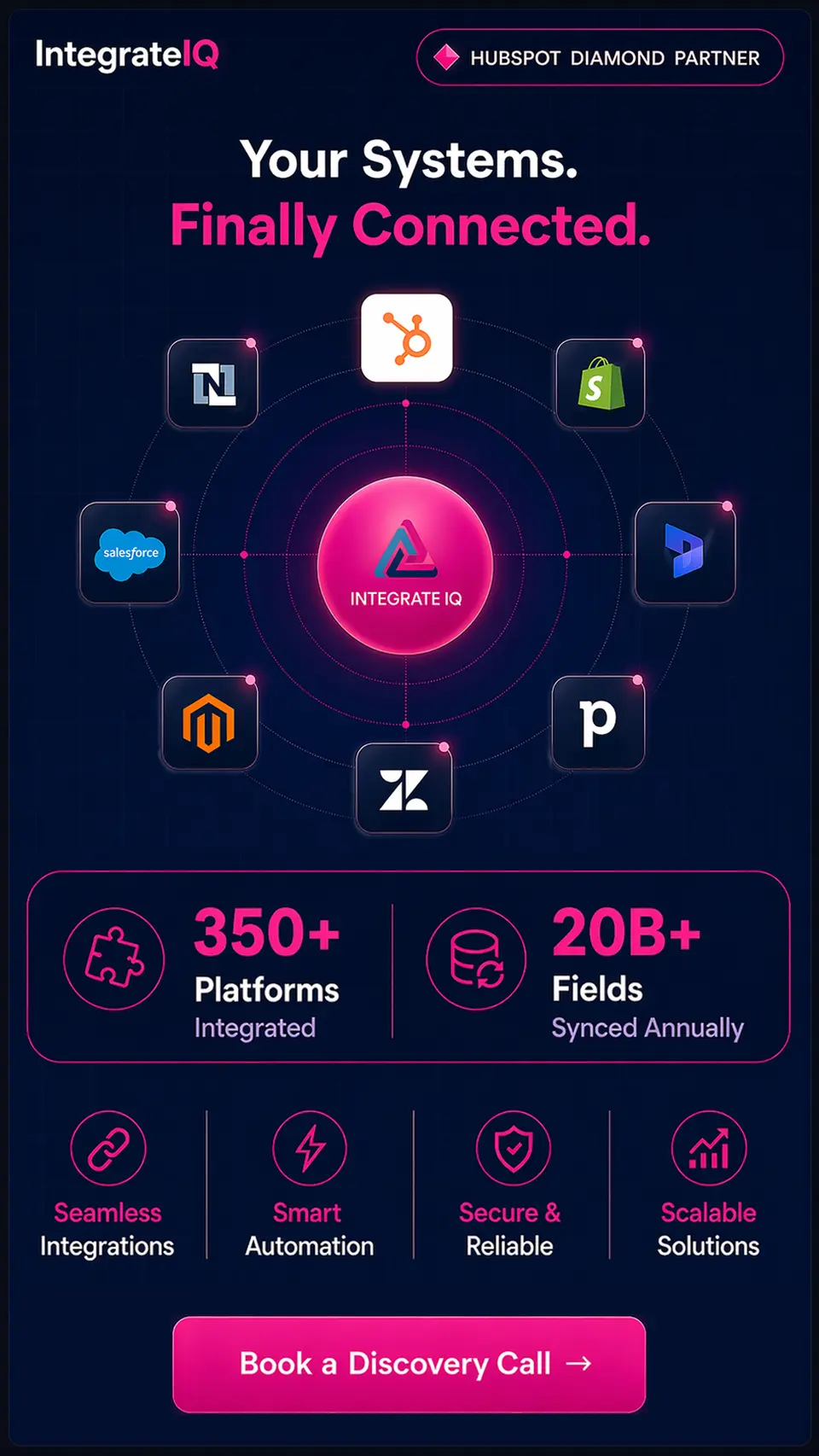
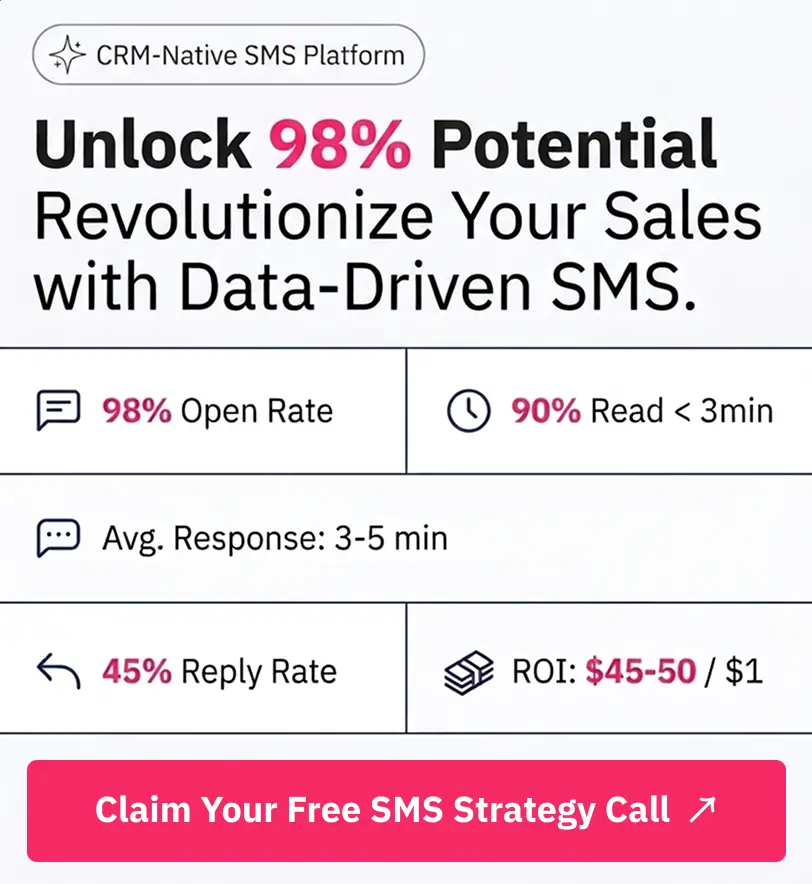
Table of Contents
- What Is a HubSpot Solutions Partner?
- Decode the Tier System First
- Look Past Tier: Accreditations That Predict Delivery Quality
- 7 Criteria to Evaluate Before You Sign
- Why Integration Depth Deserves More Weight Than Most Guides Give It
- Red Flags That Predict a Failed Rollout
- What to Expect After You've Chosen
- FAQ
- Why Integrate IQ Is the Best HubSpot Solutions Partner for Integration-Led Projects
- Ready to Evaluate a Partner Who Treats Integration as the Foundation, Not an Afterthought
