











Explore this article with AI:
Free estimator
Know what your HubSpot project costs before the first call.
Select your services and get a transparent price range in minutes. No sales call needed to get a number.
Connect HubSpot to your ERP, billing platform, or database field mapping, custom logic, and support included.
Pipelines, workflows, email templates, and reporting configured for how your team actually works.
Live, role-based sessions with recordings and written guides built around a custom plan for your team.
HubSpot Partner
Client retention
Platforms integrated
Key Takeaways
- Native isn’t always enough: Out-of-the-box connectors are great for basics, but complex business logic requires custom integrations to truly automate operations.
- Verticals need specific tools: Specialized industries like staffing (Avionté) or lending (Encompass) require middleware to translate their unique data languages into HubSpot.
- Data must drive action: The goal isn’t just to “see” data in HubSpot; it is to trigger revenue-generating actions based on ERP, CRM, or support signals.
- Efficiency scales: Automating the flow between systems like Epicor or RealGreen and HubSpot eliminates the “swivel-chair” data entry that slows down growth.
The Bigger Picture: When “Out of the Box” Doesn’t Fit
There is a misconception in the tech world that integration is a binary switch: it’s either “on” or “off.”
In reality, integration is a spectrum. On one end, you have standard plugins that sync a name and an email address. That is fine for a newsletter. On the other end, you have enterprise-grade custom integrations that map complex logic, sync custom objects, and trigger sophisticated workflows.
If you are a mid-market executive, your business likely runs on edge cases that standard plugins can’t handle. You don’t just need to know if a customer paid; you need to know what they bought, when their contract renews, and which warehouse connects to their order.
Here are the top 12 custom integrations that go beyond the basics to make your HubSpot data work harder.
Heavy-Duty ERP and CRM Connections
These are the backbone of your business. A custom approach here ensures that your financial and sales data remain the single source of truth.
Salesforce
While a native connector exists, enterprise needs often outgrow it. Custom integrations allow for deep mapping of data that simply doesn’t fit in standard fields.
- Complex Territory Management: Automatically route leads in HubSpot based on Salesforce territory rules that go beyond simple “State” or “Zip” logic (e.g., named accounts or vertical-specific reps).
- Custom Object Mapping: Sync complex Salesforce objects like “Partners,” “Franchises,” or “Assets” directly to HubSpot Custom Objects to preserve the relationship structure.
- Product-Level ROI: Pass specific “Opportunity Product” line items into HubSpot to report on which marketing campaigns are driving sales for specific SKUs, not just general revenue.
NetSuite
NetSuite is a beast of an ERP. A custom integration transforms it into a marketing goldmine by unlocking financial data that usually sits behind a firewall.
- Automated Quote-to-Cash: When a deal reaches “Closed Won” in HubSpot, automatically validate the data and create a Sales Order in NetSuite, complete with tax codes and shipping rules, without human intervention.
- Credit Limit Checks: Pull “Credit Status” fields from NetSuite into HubSpot. If a client is on credit hold, automatically lock the ability for sales reps to send new quotes or contracts.
- Inventory Visibility: Sync real-time inventory levels to HubSpot so marketing doesn’t run promotions for products that are currently out of stock.
Epicor
For manufacturers, Epicor is the brain of the factory. Connecting it to HubSpot aligns the production floor with the sales floor.
- Shipment Tracking Triggers: Sync “Ship Dates” and tracking numbers from Epicor to HubSpot deals. If a shipment is delayed, trigger an automated apology email from the account manager before the customer complains.
- Part Availability: Allow sales reps to see “Available to Promise” quantities directly on the HubSpot Deal record, preventing the sale of backordered items.
- RFQ Automation: When a customer requests a quote for a complex part via a HubSpot form, automatically generate a Request for Quote (RFQ) entry in Epicor for the engineering team to review.

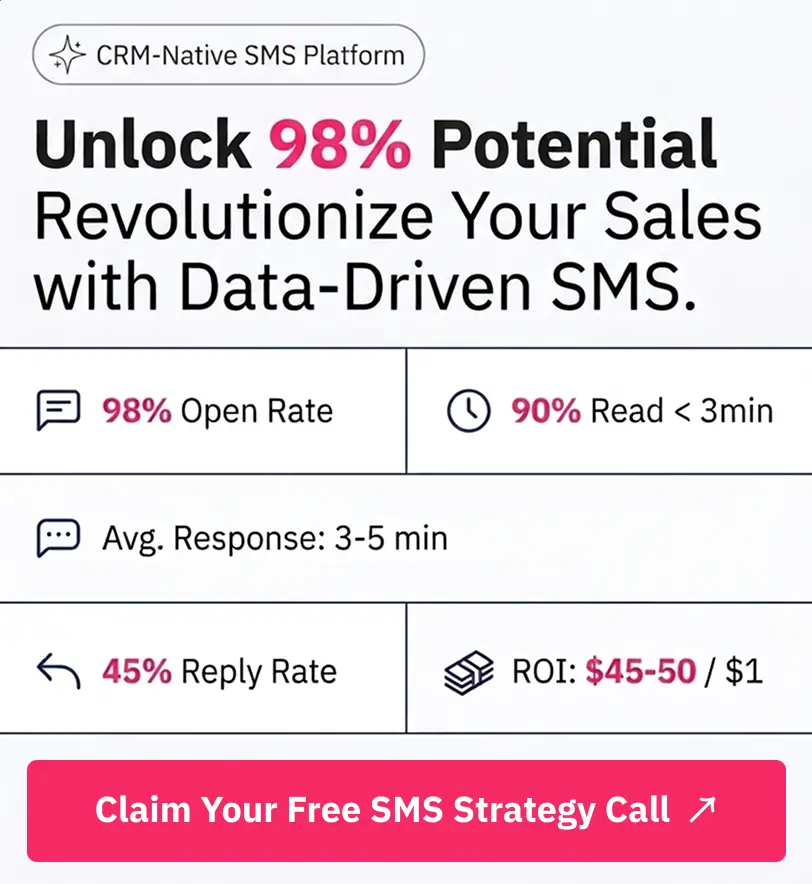
Turn HubSpot Into A Real-Time SMS Engine with
Message IQ

Two-Way Conversations

Shared Team Inbox

Automation Triggers

Advanced Reporting

Compliance Tools
-
98%
SMS read within 3 min -
78%
Buy from first responder -
21×
More likely to qualify
3–5 min avg response
$45–$50 ROI / $1

*MessageIQ is an IntegrateIQ product – built natively for HubSpot by the same team.
Industry-Specific Powerhouses
General tools don’t work for specialized industries. This is where custom middleware (like the solutions built by Integrate IQ) becomes essential.
Avionté
In the staffing and recruiting world, Avionté holds the candidate data, while HubSpot nurtures the client relationships.
- Job Order Sync: Automatically sync “Job Orders” from Avionté into HubSpot Deals. When a recruiter fills a role in Avionté, the revenue value updates in HubSpot, giving marketing real-time ROI on client acquisition campaigns.
- Candidate Marketing: Sync “Talent Pools” from Avionté to HubSpot lists to nurture candidates with automated newsletters or job alerts based on their skills and availability.
- Placement Status: When a candidate is “Placed” in Avionté, trigger a “Congratulations” workflow in HubSpot to the client and the candidate simultaneously.
Encompass
For the mortgage and lending industry, Encompass is the standard for loan origination. It is notoriously difficult to integrate, but high-value when done right.
- Milestone Automation: Pull loan status milestones (e.g., “Underwriting Complete,” “Clear to Close”) from Encompass into HubSpot. This triggers automated, compliance-approved text messages to the borrower.
- Loan Officer Assignment: Automatically assign the correct Loan Officer in HubSpot based on the file owner in Encompass, ensuring the borrower always hears from the right person.
- Referral Partner Updates: When a loan closes in Encompass, automatically trigger an update email to the real estate agent (stored in HubSpot) who referred the borrower.
RealGreen
Field service businesses (lawn care, pest control) run on RealGreen. Connecting it to HubSpot bridges the gap between the field and the office.
- Service History Triggers: If a technician notes “Grubs found” in RealGreen during a visit, that data flows to HubSpot to trigger an automated cross-sell email for grub control services 24 hours later.
- Instant Estimates: Push HubSpot form data directly into RealGreen to create an estimate/account, reducing the time-to-quote from hours to minutes.
- Renewal Automation: Identify customers in RealGreen whose service contracts are expiring and enroll them in a high-touch renewal sequence in HubSpot.
Sales Velocity and Enablement
These tools speed up the deal cycle. Customizing them ensures they fit your specific sales methodology.
PandaDoc
Proposals shouldn’t be static PDFs. They should be data-driven experiences that react to your deal stages.
- Dynamic Legal Clauses: Build logic that auto-populates complex legal clauses into PandaDoc based on HubSpot Deal properties (e.g., if “State” = “California,” insert “CCPA Clause”).
- Pricing Table Sync: Map HubSpot line items including discounts and taxes directly into PandaDoc pricing tables so the totals always match the CRM to the penny.
- Workflow Triggers: When a document is viewed 3+ times but not signed, trigger a task in HubSpot for the sales rep to “Call Prospect – High Intent.”
LinkedIn Sales Navigator
Account-Based Marketing (ABM) requires deep intelligence. Custom usage helps you capture signals standard tools miss.
- Job Change Alerts: Use Sales Nav signals to trigger HubSpot tasks. If a key decision-maker changes jobs, assign a “High Priority” task to the rep to re-engage the account or find the new contact.
- InMail Logging: Ensure that InMail conversations are logged as activities on the HubSpot contact timeline, giving a complete view of communication history.
- Target Account Sync: Sync “Target Accounts” lists from Sales Navigator to HubSpot to ensure marketing is targeting the same companies that sales is prospecting.
Vidyard
Video is a high-signal medium. Customizing how you use that data can drastically improve lead scoring.
- Granular Lead Scoring: Create a custom scoring model. Watching 80% of a “Pricing” video scores +50 points, while watching 10% of a “Welcome” video scores only +5 points.
- Sales Routing: If a prospect watches a demo video, route them directly to a “Closer” sales rep rather than a junior SDR.
- Sequence Automation: If a prospect receives a video in an email sequence but doesn’t click play, automatically send a follow-up email with a different subject line or format.
Operational and Support Efficiency
Revenue isn’t just about closing; it’s about retaining. These integrations ensure the post-sale experience is seamless.
Stripe
For SaaS and subscription models, Stripe holds the truth about churn and expansion.
- Dunning Management: If a Stripe payment fails, the integration triggers a HubSpot sequence that alerts the customer to update their card, while notifying the Customer Success Manager to pause the account.
- Subscription Sync: Map Stripe subscription tiers (e.g., “Pro” vs. “Enterprise”) to HubSpot properties, allowing marketing to send targeted upsell campaigns to lower-tier users.
- Payment Links: Generate unique Stripe payment links inside HubSpot quotes, allowing customers to pay immediately upon signing.
Zendesk
Support tickets shouldn’t be invisible to sales. A custom integration prevents sales from stepping on landmines.
- The “Red Flag” System: If a key account opens >3 “Critical” tickets in Zendesk in one week, automatically lock the “Renewal” deal stage in HubSpot to prevent sending a contract until issues are resolved.
- CSAT Visibility: Sync Customer Satisfaction (CSAT) scores from Zendesk tickets to the HubSpot company record, helping account managers identify at-risk clients.
- Ticket Creation: Allow sales reps to create Zendesk support tickets directly from the HubSpot deal record if they identify a technical issue during the sales process.
Aircall
Telephony data is often wasted. Custom routing logic ensures VIPs get VIP treatment.
- VIP Routing: Use HubSpot contact data (e.g., “Revenue > $1M”) to route incoming Aircall calls directly to a dedicated senior support line, bypassing the general IVR queue.
- Outcome Workflows: Trigger specific workflows based on call tags. If a call is tagged “Left Voicemail,” automatically send a follow-up email; if tagged “Demo Scheduled,” move the deal stage.
- SMS Logging: Log all SMS messages sent via Aircall directly to the HubSpot timeline, ensuring compliance and visibility for the entire team.
Common Pitfalls in Custom Integrations
Custom is powerful, but it requires discipline.
- Over-Engineering: Just because you can sync a field doesn’t mean you should. Syncing historical data from 2010 that no one uses just slows down the system.
- API Limit Blindness: High-volume custom integrations (like syncing real-time inventory every minute) can hit API rate limits. Efficient coding and batching are required.
- The “Black Box” Effect: If an integration is built without documentation, it becomes a mystery box when the developer leaves. Ensure your partner provides clear schema documentation.
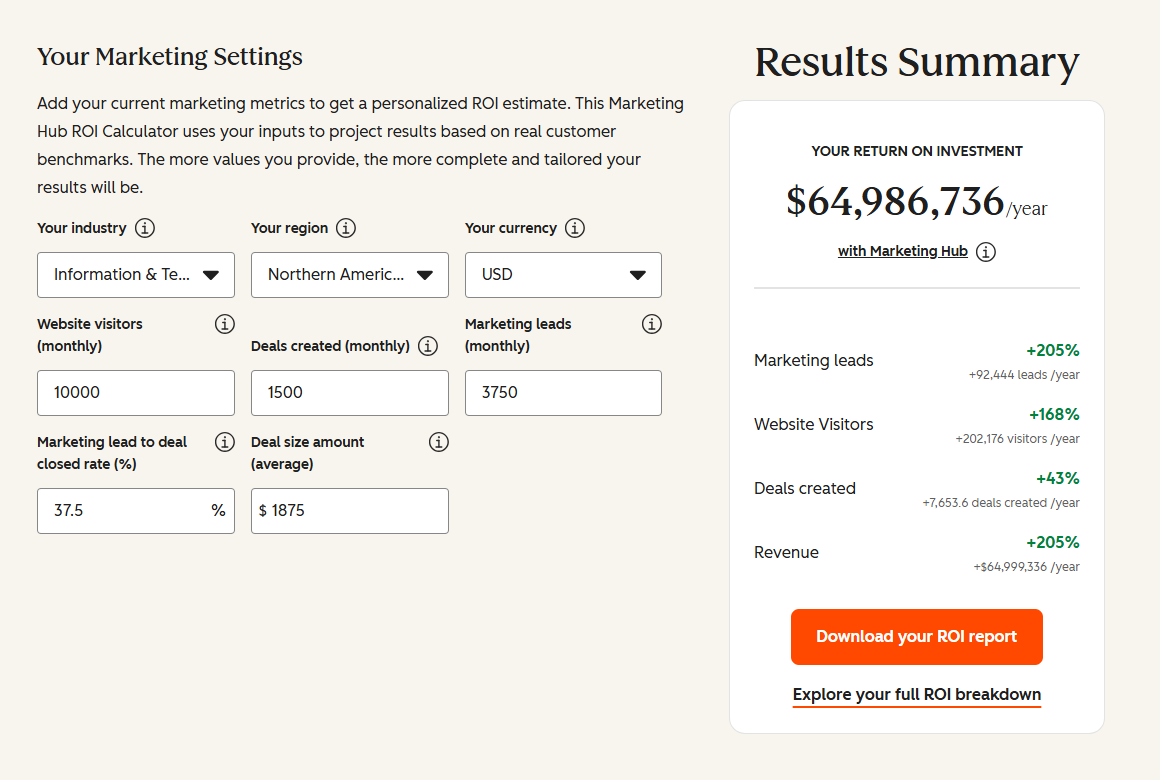
See your 12-month revenue impact with HubSpot CRM
Enter your current numbers — visitors, leads, deal size — and get a personalized projection based on real HubSpot customer benchmarks.
FAQs
Why choose a custom integration over a marketplace app?
Marketplace apps are built for the masses. Custom integrations are built for your business logic. If you need to map custom objects, handle complex tax rules in NetSuite, or sync specialized industry data (like Avionté), you need a custom solution.
Is a custom integration expensive to maintain?
It requires monitoring, but the ROI often outweighs the cost. A broken standard connector costs you money in lost leads; a well-maintained custom integration saves hundreds of hours of manual labor.
Can Integrate IQ handle legacy on-premise systems?
Yes. We specialize in connecting modern cloud tools (HubSpot) with legacy or complex on-premise ERPs (like older versions of Epicor) via secure middleware.
The Bottom Line
Your data is your most valuable asset, but only if it moves. Siloed data is just digital hoarding. By building custom integrations for high-impact tools like Salesforce, NetSuite, and Encompass, you turn your HubSpot portal into a proactive revenue engine that works 24/7.
Ready to make your data work harder? Schedule a conversation with Integrate IQ. We speak fluent API.