









Explore this article with AI:
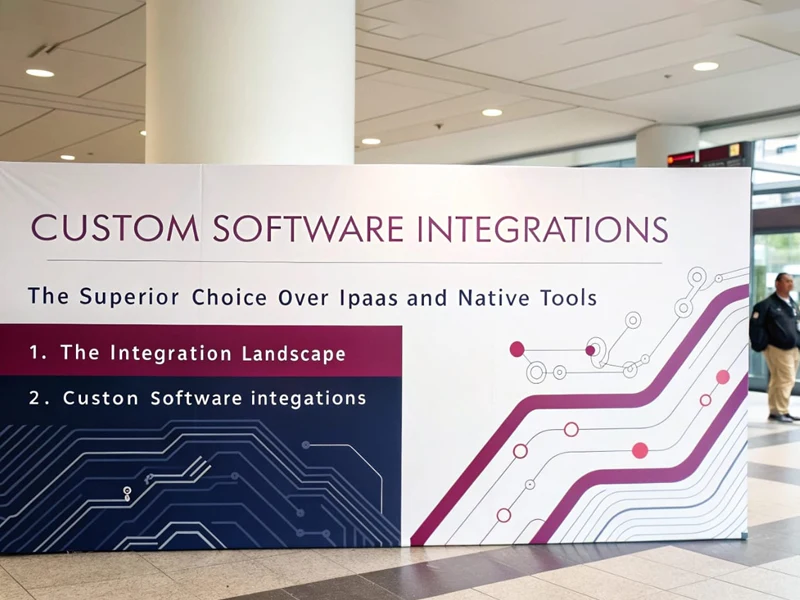
Companies rely on a vast array of best in class software applications to manage everything from customer interactions to financial records. This broad tech stack, while powerful, can quickly become a tangled mess if the tools operate in isolation. This is where software integration comes in, playing the critical role of establishing seamless communication and data flow between your applications.
However, navigating the world of software integration can be confusing. There are several approaches to consider, each with its own strengths and limitations. This post dives deep into the three main integration methods – native integrations, Integration Platforms as a Service (iPaaS), and the custom software integrations. We’ll explore the advantages and disadvantages of each option, ultimately demonstrating why custom integrations are often the best choice for businesses seeking a truly connected and efficient ecosystem.
Free estimator
Know what your HubSpot project costs before the first call.
Select your services and get a transparent price range in minutes. No sales call needed to get a number.
Firm quote after a free discovery call. Build estimate
Turn HubSpot Into A Real-Time SMS Engine with Message IQ
 Two-Way Conversations
 Shared Team Inbox
 Automation Triggers
 Advanced Reporting
 Compliance Tools
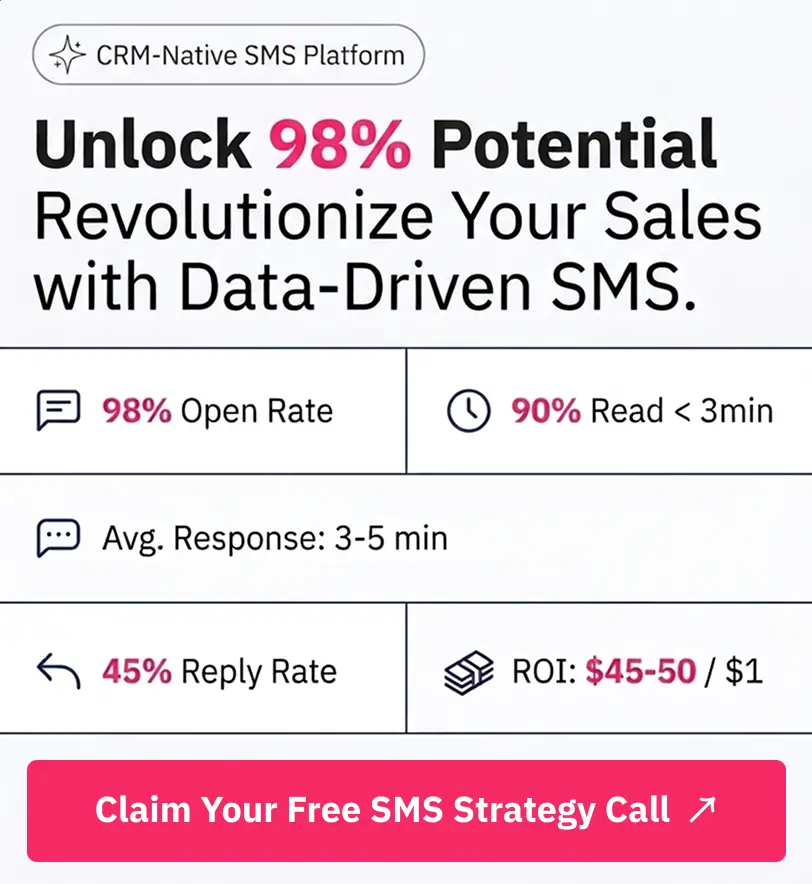
- 98% SMS read within 3 min
- 78% Buy from first responder
- 21× More likely to qualify

*MessageIQ is an IntegrateIQ product – built natively for HubSpot by the same team.
The Integration Landscape
-
Native Integrations: Offered by software vendors themselves, these pre-built connectors provide a seemingly straightforward solution. They allow for basic data exchange between specific applications within the same vendor ecosystem. However, native integrations often come with significant limitations:
- Limited Flexibility: These connectors are designed for generic use cases and may not cater to your specific workflows or data structures.
- Vendor Lock-In: Relying solely on native integrations restricts your ability to integrate best-of-breed solutions from different vendors.
-
Integration Platforms as a Service (iPaaS): Cloud-based platforms like Zapier or Mulesoft offer a user-friendly, drag-and-drop interface for building basic integrations. They boast a wide range of pre-built connectors and allow for some customization. However, iPaaS solutions also have drawbacks:
- Functionality Limitations: iPaaS integrations often lack the power and complexity required for intricate data transformations or real-time data synchronization.
- Scalability Concerns: While initially appealing, iPaaS integrations can become cumbersome and expensive to manage as your business grows and data volume increases.
See your 12-month revenue impact with HubSpot CRM
Enter your current numbers — visitors, leads, deal size — and get a personalized projection based on real HubSpot customer benchmarks.
Calculate My ROI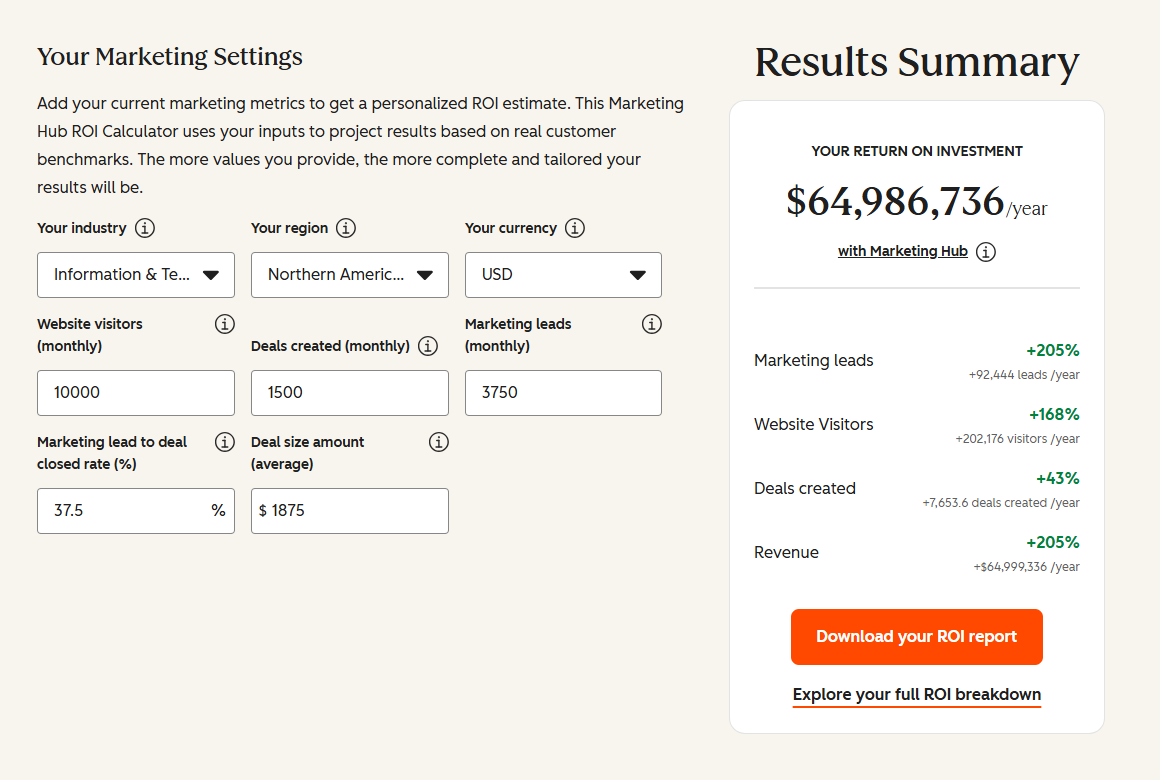
Custom Software Integrations
Custom software integrations, developed by skilled software engineers, offer a powerful alternative to the limitations of pre-built solutions. Here’s why custom integrations are often the superior choice for businesses seeking a truly optimized software ecosystem:
- Tailor-Made Solutions: Unlike one-size-fits-all pre-built connectors, custom integrations are meticulously crafted to your exact specifications. They seamlessly integrate any combination of software applications, legacy systems, and databases, regardless of platform or complexity.
- Unmatched Flexibility: Custom integrations provide unparalleled control over data mapping, transformation, and automation logic. This allows you to design workflows that perfectly align with your unique business processes and data needs.
- Enhanced Scalability: Custom integrations are built to scale alongside your business. They can accommodate future growth, increased data volume, and the addition of new applications without compromising performance or stability.
The Transformative Power of Custom Integrations
Custom integrations deliver a multitude of benefits that extend far beyond basic data exchange.
- Streamlined Workflows: Eliminate repetitive manual tasks and automate data transfer between applications. This frees up your team’s time to focus on higher-value activities and boosts overall operational efficiency.
- Error Reduction: By automating data flow, you eliminate the risk of human error associated with manual data entry. This ensures consistent and reliable data across your entire software ecosystem.
- Enhanced Decision Making: Seamless integration enables the creation of comprehensive dashboards that provide real-time insights from all your applications. This empowers data-driven decision making for improved business agility.
Unlocking the Full Potential of Your Software Stack
Investing in custom software integrations is a strategic decision that can significantly enhance the value you derive from your existing technology investments. By connecting your software applications into a unified system, you unlock a new level of efficiency, data accuracy, and operational agility.
Ready to Break Free from Siloed Software?
Integrate IQ is a team of passionate software integration experts dedicated to crafting custom solutions that empower businesses to achieve their full potential. We understand the unique challenges you face and possess the expertise to design and implement robust integrations that seamlessly connect your software ecosystem.
Contact Us today for a free consultation and discover how custom integrations can revolutionize the way you work!