
Explore this article with AI:

Free estimator
Know what your HubSpot project costs before the first call.
Select your services and get a transparent price range in minutes. No sales call needed to get a number.
Connect HubSpot to your ERP, billing platform, or database field mapping, custom logic, and support included.
Pipelines, workflows, email templates, and reporting configured for how your team actually works.
Live, role-based sessions with recordings and written guides built around a custom plan for your team.
HubSpot Partner
Client retention
Platforms integrated
Key Takeaways
-
HubSpot Segments and Personalization use AI and CRM data to identify high-intent audiences and deliver tailored experiences.
-
Segments update dynamically as buyer behavior changes, eliminating static list-building.
-
Personalization tools are centralized in HubSpot, making campaigns faster to execute and easier to measure.
-
Marketers gain enterprise-level targeting without Salesforce- or Adobe-level complexity.
-
This update helps mid-market companies scale personalization while proving ROI.
What Is HubSpot Segments and Personalization?
HubSpot Segments and Personalization are features in HubSpot Marketing Hub that bring AI into the heart of audience targeting.
-
Segments: AI scans engagement signals and CRM data to recommend high-value audiences.
-
Personalization: Marketers can then tailor CTAs, landing pages, and content for each segment, all from a single interface.
Together, they replace static, manual list-building with a dynamic system that learns and adapts as customer behavior evolves.

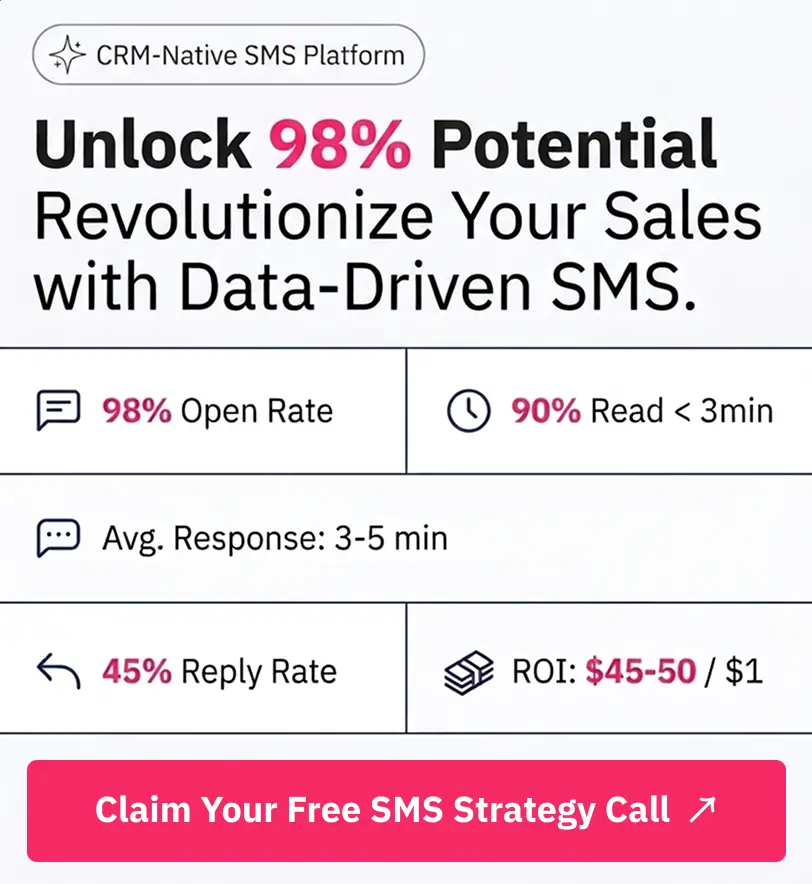
Turn HubSpot Into A Real-Time SMS Engine with
Message IQ

Two-Way Conversations

Shared Team Inbox

Automation Triggers

Advanced Reporting

Compliance Tools
-
98%
SMS read within 3 min -
78%
Buy from first responder -
21×
More likely to qualify
3–5 min avg response
$45–$50 ROI / $1

*MessageIQ is an IntegrateIQ product – built natively for HubSpot by the same team.
How Does HubSpot Segments Work?
HubSpot Segments analyze behavior, activity, and CRM records to identify intent-rich clusters of contacts.
-
AI finds patterns humans often miss, like users who combined pricing page visits with webinar sign-ups.
-
Segments refresh automatically, updating as new data comes in.
-
With one click, marketers can activate these segments across ads, email, and web personalization.
In short: HubSpot Segments take the guesswork out of audience targeting.
Why Is HubSpot Personalization Important?
Personalization ensures every segment sees the right message at the right time.
-
CTAs, website content, and landing pages can be customized without building endless versions.
-
Experiences adapt in real time as HubSpot learns more about each contact.
-
Reporting links personalization efforts directly to conversions and revenue.
Practical example: A new visitor sees a research guide CTA, while a pricing-page return visitor sees a demo request CTA, all managed in one place.
What Are the Benefits of HubSpot Segments and Personalization?
-
Smarter targeting: AI uncovers audiences that static personas miss.
-
Faster activation: No more exporting lists or syncing across platforms.
-
Higher conversion: Personalized experiences align better with customer intent.
-
Unified reporting: Performance ties directly to HubSpot CRM and revenue.
-
Enterprise capability, mid-market accessibility: Competes with Salesforce Marketing Cloud and Adobe Experience Platform without the heavy lift.
Things To Watch Out For
-
Data quality: Incomplete or duplicate CRM records will weaken segment recommendations.
-
Over-segmentation: Too many micro-audiences may stretch creative resources thin.
-
Privacy compliance: Always align targeting with consent and regional regulations.
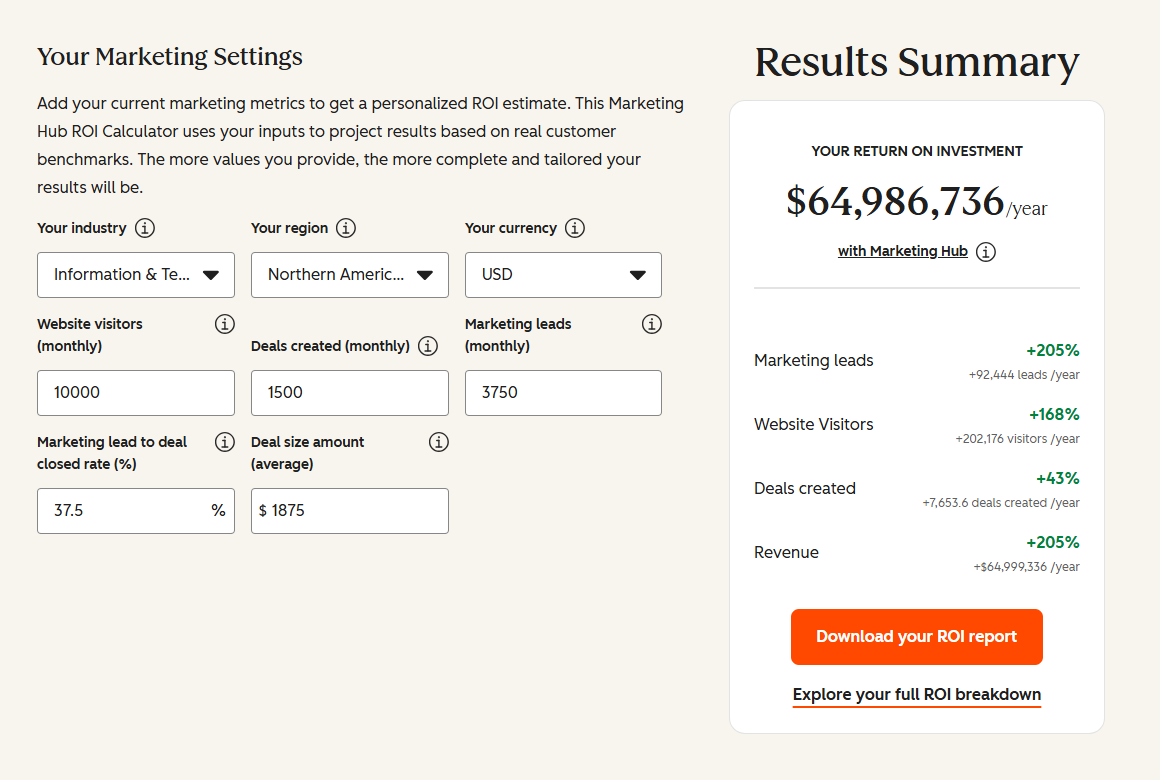
See your 12-month revenue impact with HubSpot CRM
Enter your current numbers — visitors, leads, deal size — and get a personalized projection based on real HubSpot customer benchmarks.
What Should Marketers Do Now?
-
Clean your CRM. Standardize lifecycle stage, industry, and engagement data.
-
Run a pilot. Test personalization on a high-traffic page like pricing and measure conversion lift.
-
Compare segments. Evaluate HubSpot’s AI recommendations against your existing lists.
-
Plan for assets. Budget time and creative resources to support new personalized experiences.
FAQs About HubSpot Segments and Personalization
Does HubSpot Segments update automatically?
Yes. Segments refresh in real time as buyer behavior and CRM data change.
Do I need HubSpot Enterprise for Personalization?
No. Features are available across tiers, though advanced options scale with higher plans.
How does HubSpot compare to Salesforce or Adobe?
HubSpot makes AI-driven targeting accessible for mid-market companies. Salesforce and Adobe offer deeper customization but at higher cost and complexity.
Bottom Line
HubSpot Segments and Personalization represent a shift from static list-building to dynamic, AI-powered targeting. For marketers, this means better alignment between campaigns and customer intent, more efficient execution, and personalization at scale.
In a landscape where relevance is the new currency, HubSpot is positioning Marketing Hub as the tool that makes personalization practical for everyone, not just enterprise giants.
You may also like
Best 8 eCommerce Platforms That Integrate With HubSpot for Growth in 2026
Free estimator Know what your HubSpot project costs before the first call. Select your services and get a transparent price range in minutes. No sales call…
Read moreCultivating Growth: Setting Objectives for Software Integration in Lawncare Businesses
Tired of weeds of inefficiency choking your landscaping business? Dreaming of flourishing customer relationships blossoming from fertile data? Then dig in with landscaping business integration! Our…
Read moreHubSpot Data Mapping Service: What It Includes, When You Need One and How to Choose
Every failed HubSpot migration and every broken integration we get called to fix traces back to the same root cause: fields that don’t line up. A…
Read more